
Choppy waters
Iraq’s PM Zaidi lacks experience for the ‘sea’ of politics, Sudani ally says
BAGHDAD — Prime Minister Ali al-Zaidi’s lack of political experience trips him up every day, a senior figure in former Prime Minister Mohammed Shia al-Sudani’s coalition said in a television interview.
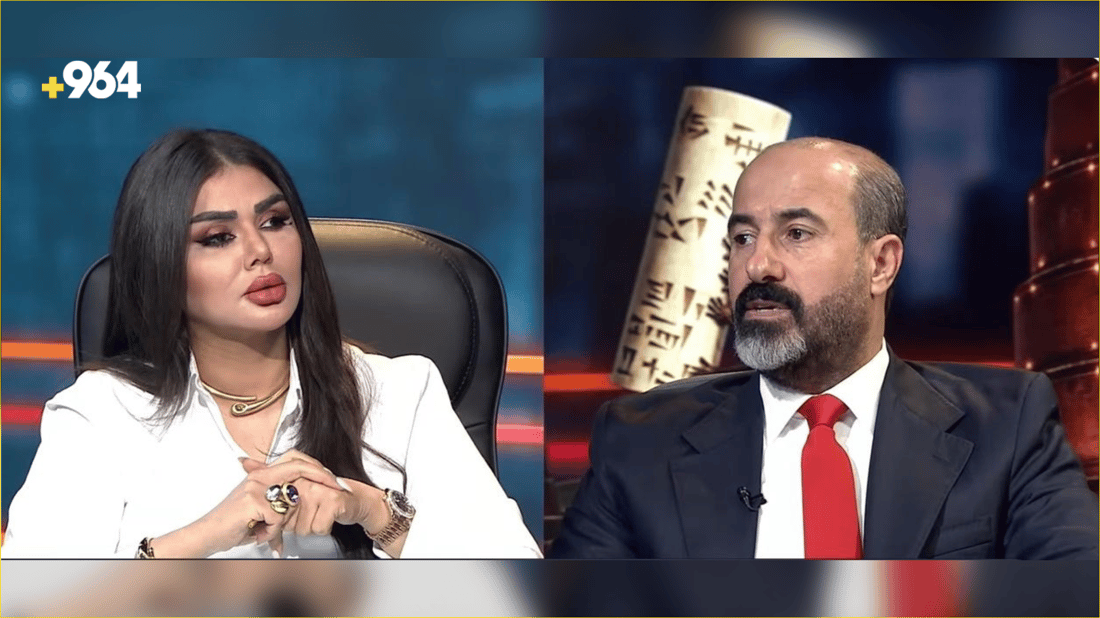
Haider al-Fuadi, a lawmaker who heads the political bureau of Sudani’s Reconstruction and Development Coalition, also said the closure of the al-Sheib border crossing between Maysan governorate and Iran was a mistake made under foreign pressure. He spoke to presenter Sahar Abbas on Al-Nahrain TV.
“We do not doubt Mr. al-Zaidi’s intentions, but his political experience is limited. Do not tell me that a reasonable person who respects himself, his country, the constitution and the law would bring a nonpolitical figure to govern, because he cannot maintain a balance. Politics is a sea,” Fuadi said.
He described Zaidi as patriotic. “But without political experience, he falls into pitfalls every day and is surprised by them,” he said.
Zaidi, a former banker who had never held political office, was nominated by the Coordination Framework in April after five months of deadlock that followed the November 2025 parliamentary elections. The Framework, the dominant Shiite alliance in parliament, includes Sudani’s coalition, and a leader in Sudani’s bloc called Zaidi a “compromise candidate” at the time. Parliament approved Zaidi’s government on May 14, and he succeeded Sudani.
Fuadi accused Zaidi in September of doing whatever Washington asks after Iraq halted flights by Iranian airlines.
On security, Fuadi said intelligence agencies had spent more than 10 days pursuing what he called “outlaw groups” seeking to revive Isis. He said they were small pockets in scattered places but that he could not discuss the details. 964media found no official announcement of the operations.
“Closing the al-Sheib crossing is a mistake, and there is no technical problem with it. I call for reopening this crossing. Its closure came under external pressure, not as part of ordinary procedures,” Fuadi said.
“There are many foreign orders, and we should not listen to foreign instructions,” he said. He did not say which foreign party he meant.
He pointed to Iraq’s economic ties with Iran. “The Islamic Republic shares extensive borders with us. We must think about our country and its interests. We have substantial trade with Iran, and we need the money,” he said.
The crossing has been closed to goods and travelers since Oct. 21, until further notice. An official source said at the time that the order came from Zaidi. Government spokesperson Haider al-Aboudi said its technical and logistical facilities were not ready for continued operation. Government adviser Abdul Amir Taiban said the closure was meant to keep drugs and counterfeit currency out of Iraq and denied that it resulted from U.S. pressure or was part of a blockade of Iran.
General Customs Authority head Thamer Qasim Dawood said on Oct. 28 that al-Sheib could reopen “at any moment,” though it is rated high-risk and has a single, often faulty scanner. No reopening had been announced as of Thursday.