
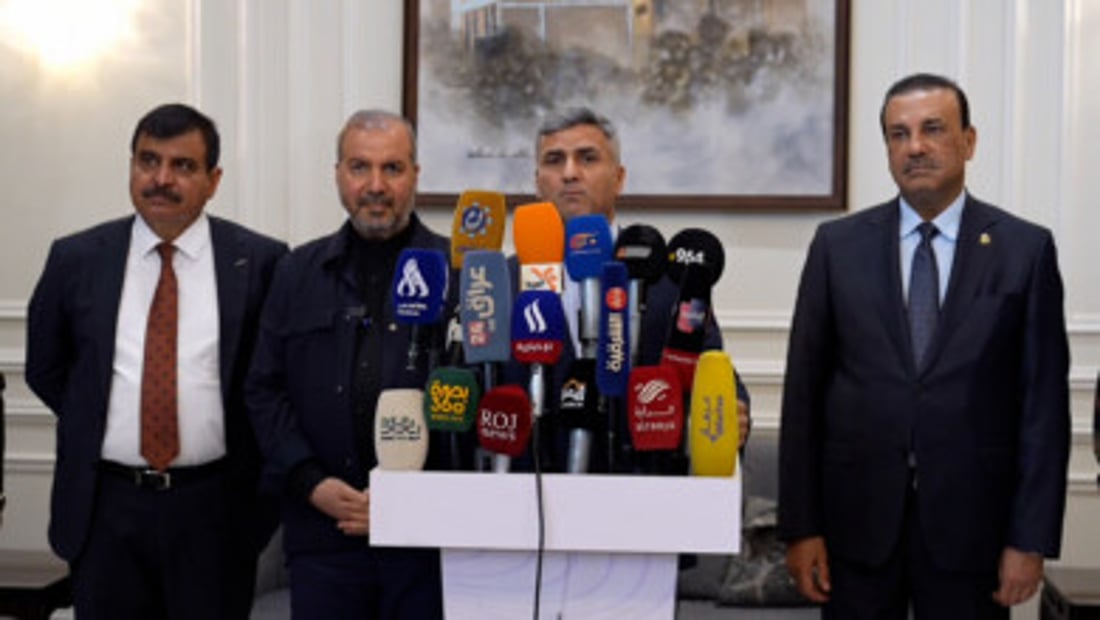
Two million Iranian pilgrims have entered Iraq, ambassador says at Shalamcheh
BASRA — Two million Iranian pilgrims have crossed into Iraq for Arbaeen and the season has yet to peak, Iran’s ambassador Mohammad Kazem al-Sadeq said Wednesday, speaking at the Shalamcheh border crossing where a missile strike killed two people and wounded 11 earlier this month.
“The war in the region has not posed any obstacle to the movement of arriving pilgrims,” Sadeq said during a visit to coordinate pilgrim movements, adding that numbers continue to rise. The strike on the Iranian side of the crossing came during the pilgrimage season; operations resumed the same day.
Officials said Shalamcheh is handling more than 100,000 pilgrims a day without disruption, with medical services and transport available. The visit brought Iranian diplomats together with Iraqi security and executive officials to review arrival plans. Basra Deputy Governor Maan al-Hassan said the two sides were coordinating closely on border operations and that security procedures include drug screening with K9 units.
Arbaeen falls on the 40th day after Ashura, marking the killing of Imam Hussein, grandson of the Prophet Muhammad, at the Battle of Karbala in 680. Millions travel to Karbala to visit his shrine, many on foot, with many also stopping in Najaf at the shrine of Imam Ali. Iraq’s Higher Committee for Mass Pilgrimages reviewed security and public-service plans earlier this month, including arrangements at border crossings. During the 2025 pilgrimage the Imam Hussein Shrine authority said more than 22 million took part, while Najaf authorities said 17 million entered that governorate.
Sadeq spoke hours after Prime Minister Ali al-Zaidi convened an emergency meeting of the Ministerial Council for National Security following overnight U.S. and Saudi airstrikes on Popular Mobilization Forces sites in Baghdad, Wasit, Nineveh, Basra, Kirkuk, Karbala and Diyala. The PMF said at least 20 of its members were killed and 32 wounded. The United States and Saudi Arabia said they targeted weapons stores, logistics sites and militias in response to recent drone attacks, which Saudi Arabia said were launched from Iraqi territory by militias affiliated with Iran. The Islamic Resistance in Iraq denied responsibility and warned Riyadh against military action.