
Kurdistan Region salaries won’t be tied to other disputes, Baghdad says
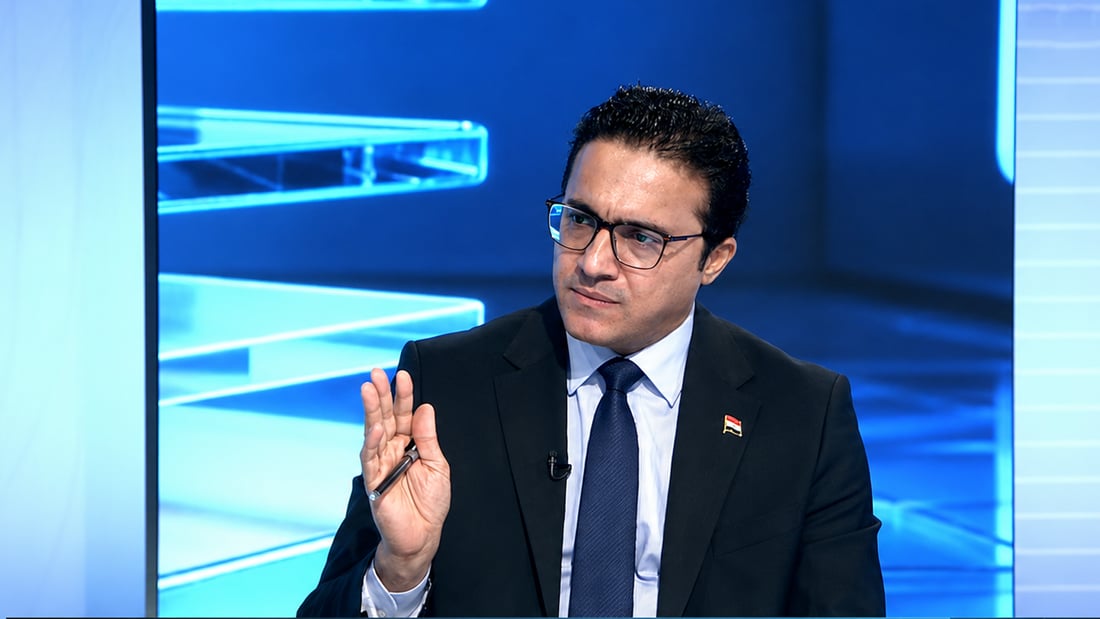
BAGHDAD — Salaries for public employees in the Kurdistan Region will not be tied to any other dispute between Baghdad and Erbil, government spokesperson Haider al-Aboudi said in remarks published overnight, calling it a binding order from the prime minister.
“Securing the salaries of employees in the Kurdistan Region and ensuring they are not touched are a binding directive from Prime Minister Ali Falih al-Zaidi,” Aboudi told the state-run Iraqi News Agency.
“The salary issue is separate from all the other issues between the two sides and cannot be linked to any discussions of other matters,” he said.
Aboudi did not announce a new salary transfer, say when the next payment would be made or set out any mechanism to prevent future delays. He spoke as the two governments negotiate over oil revenue, financial obligations and the Region’s share of the 2027 federal budget.
He also said the government would press ahead with its program to extend state authority, enforce the law, fight corruption and stop violations against Iraq’s national resources across the country.
The remarks follow talks between Zaidi and Kurdistan Region Prime Minister Masrour Barzani in Baghdad on Nov. 9, at which both sides said the Region’s employees must keep being paid on a par with other Iraqi state employees, according to Zaidi’s office. They also discussed oil and non-oil revenue, the Region’s budget share and the long-stalled oil and gas law.
On Nov. 3, Zaidi told Kurdistan Democratic Party lawmakers that his government would guarantee salaries for Kurdistan Region employees on a par with state employees in other ministries and governorates. The Kurdistan Regional Government had asked the federal cabinet on Oct. 28 not to let the draft budget go to a vote in its current form, and told its negotiators to list the provisions it considers unconstitutional or inaccurate.
Federal funds for the Region’s October salaries reached Erbil on Nov. 4. The KRG’s Finance and Economy Ministry said 834.92 billion dinars (about $550 million at the official rate) had been deposited after Baghdad withheld 120 billion dinars as the federal treasury’s share of the Region’s October non-oil revenue. It said payments would begin on Nov. 8.
The two governments remain divided over the draft budget. The KRG wants the Region’s share based on 14.14% of Iraq’s population, the figure it takes from the 2024 census, and rejected a federal figure of 12.68% in September. On Nov. 17, Aboudi said talks with Erbil over handing over oil revenue were the main obstacle to the budget, which has missed its latest target for reaching parliament.
Salaries have long divided Baghdad and Erbil. The Region’s public-sector wages are paid from the federal budget in exchange for the KRG handing over oil and non-oil revenue to the federal treasury. Baghdad has delayed transfers in the past, saying Erbil had not met those terms, while Kurdish officials say salaries are a constitutional right that cannot depend on political or financial disputes.
The two positions came to a head in June, when Iraq’s two deputy parliament speakers clashed over salary transfers. Second Deputy Speaker Farhad Atrushi, of the KDP, said wages must stay separate from fiscal disputes, citing a Federal Supreme Court ruling, while First Deputy Speaker Adnan Faihan called for halting transfers until the KRG met its revenue obligations.
Iraq has had no budget this year. Spending has been governed by the one-twelfth rule, under which monthly spending is capped at one-twelfth of the previous year’s actual current spending while there is no budget law, since the three-year law covering 2023 to 2025 expired.