
Daily currency exchange rates
Slide continues
Dollar rises above 171,000 dinars in Iraq’s currency markets
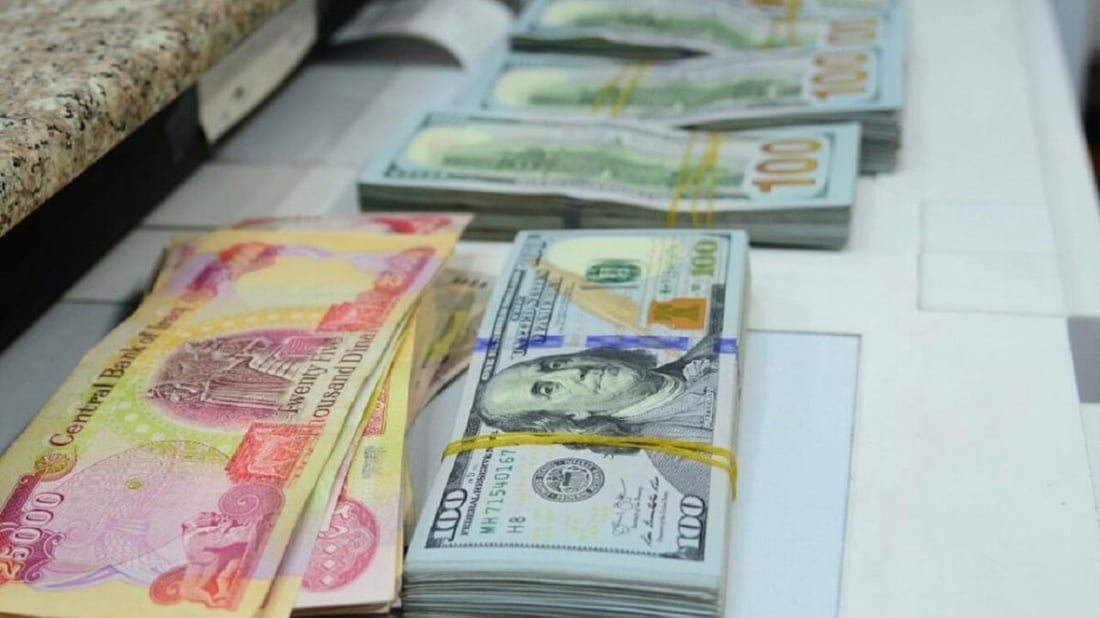
BAGHDAD — The dollar sold for more than 171,000 dinars per $100 in Baghdad, Erbil and Basra on Monday morning, up about 1,000 dinars in a day and nearly 13% above the Central Bank of Iraq’s official rate.
Exchange shops in Baghdad and Erbil sold $100 for 171,400 dinars. Baghdad shops bought it for 170,500 and Erbil shops for 170,900. In Basra, shops sold $100 for 171,250 and bought it for 170,750.
The Baghdad selling price rose 1,150 dinars from Sunday morning, when the dollar climbed above 170,000 in all three cities, and 1,900 from Saturday. Buying prices rose 1,000 dinars in each city.
The official rate is 152,000 dinars per $100, or 1,520 per dollar. At Monday’s Baghdad price, a dollar costs about 1,714 dinars.
The Baghdad price is now above the 170,000 recorded there on Oct. 7, the day the Central Bank devalued the dinar, though still below the 180,000 Erbil shops charged that day.
Prime Minister Ali al-Zaidi said on Oct. 23 that Washington would send $1 billion in cash and that the parallel rate would soon fall to 155,000 dinars per $100. The dollar eased the next day but has since climbed again.
Deputy Prime Minister Mohammed Ali Tamim said on Nov. 1 that the parallel rate would come “very close to the official exchange rate.” He credited $3 billion in cash that he said the United States had decided to send over two months, in shipments of more than $500 million each.
In Erbil’s currency market on Sunday, trader Ayoub Shwani told 964media the promises had not worked. “Although Ali al-Zaidi, the prime minister of Iraq, promised to bring $100 back to 155,000 dinars, he couldn’t,” he said. “The dollar isn’t broken by words. The dollar is broken by dollars.”
“Iraq needs $300 million in cash every day, not $500 million a month,” Shwani said. He said the dinar would not recover until the government put more dollars on the market.
Mahmoud Dagher, an adviser to the Central Bank governor and the bank’s spokesperson, told state television on Oct. 24 that Iraq pays for most imports through bank transfers and letters of credit, and that cash makes up no more than 10% of transactions.
The Central Bank said on Sunday it was still meeting banks’ requests for dollars so importers can pay for goods and services at the official rate, and that transfers approved before Oct. 7 would still be covered.
The Central Bank devalued the dinar on Oct. 7, raising the official public rate from 1,320 to 1,520 dinars per dollar and citing economic and financial conditions.