
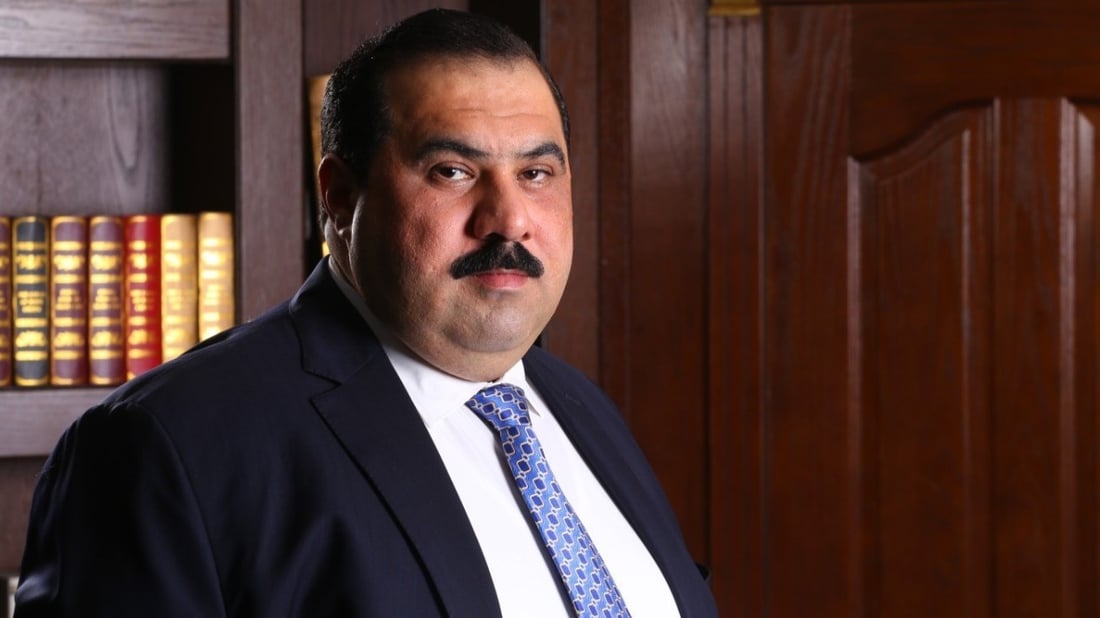
Muthanna Al-Samarrai, leader of the Azm Alliance
Trial of detained Azm leader Samarrai set for October 19
BAGHDAD — The Central Anti-Corruption Criminal Court has set Oct. 19 for the trial of lawmaker and Azm Alliance leader Muthanna al-Samarrai under Article 319 of the Penal Code, which covers public officials who profit directly or indirectly from works or contracts connected to their posts, according to a court document.
The document, dated Oct. 8 and signed by the court’s president, Judge Khalid Saddam, lists Samarrai as a detained defendant. It directs the Federal Commission of Integrity’s Baghdad Investigation Directorate to notify those involved and submit proof of notification, and the Military Intelligence Directorate to bring Samarrai and several witnesses to court. The witnesses, all detained, include former Deputy Oil Minister Adnan al-Jumaili and employees of the North Refineries Company, the Oil Training Institute and the Salah al-Din Health Directorate. The document does not describe the alleged offense.
Samarrai was among 15 figures named by state media in June from what it said were 47 officials arrested in corruption cases, based on Jumaili’s confessions. After his arrest, Azm, a Sunni coalition, called for respect for judicial procedures, saying the investigation should not be prejudged or used in political or media disputes.
Four lawmakers have been jailed for seven years since mid-September: Bahaa al-Nouri on Sept. 16, Alia Nassif Jassim and Ashwaq Salim Hassan on Sept. 23, and Mohammed Farman Shaher Salman al-Jubouri, sentenced for illicit enrichment on Sept. 29. Three of them were among the 15 named in June. Nassif’s repayment and fine came to more than 61 billion dinars (about $40 million at the official rate).
Jumaili, who was also director general of the North Refineries Company, was arrested on May 29. Searches in June uncovered about 40 properties in Baghdad, Salah al-Din and Erbil, roughly $10 million, 3 billion dinars (about $2 million at the official rate) and 1.5 kilograms of gold jewelry, and searches through July found more cash and gold hidden underground, inside walls, in water tanks and in a rainwater drainage pit, along with commercial properties, flour mills and vehicles, some registered in other people’s names. By Aug. 16, recoveries stood at about 82 billion dinars (about $54 million) and $152 million in cash, with 484 kilograms of gold. Security sources have said Jumaili’s questioning produced more than 100 names, though not all led to warrants or proceedings.