
Government Portfolios Debated
New ministries floated in cabinet talks, with faction leaders reportedly in line
BAGHDAD — Political blocs are discussing splitting tourism from the culture ministry and possibly creating a ministry for the digital economy and artificial intelligence as they work to complete Prime Minister Ali al-Zaidi’s cabinet, a Sadiqoun official said Monday, as a newspaper reported that the new posts were earmarked for armed faction leaders in talks over their weapons.
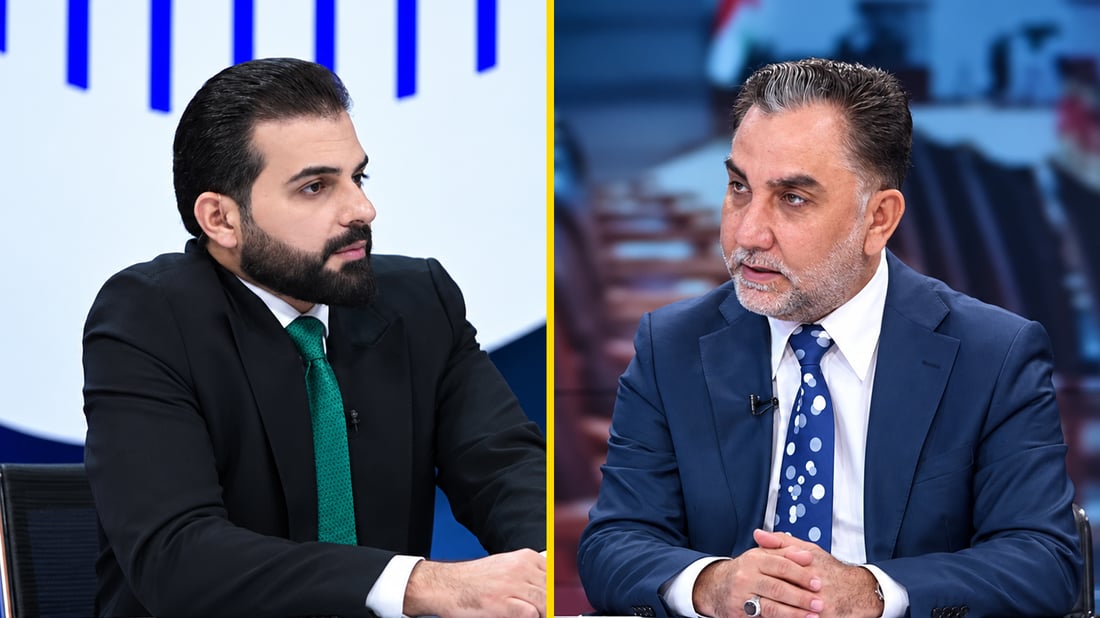
No agreement has been reached on the digital economy and AI ministry, Hussein al-Shihani, a member of the political bureau of Sadiqoun, Asaib Ahl al-Haq’s political wing, told Al-Rasheed TV. Some figures believe the Culture, Tourism and Antiquities Ministry combines duties that should be run separately, such as regulating alcohol and managing religious pilgrimages, he said. The portfolios were separate before being merged, and any restructuring would need a formal government order.
The newspaper Al-Mada reported on Monday that the proposed AI ministry was expected to go to Kataib al-Imam Ali, led by Shibl al-Zaidi, and that Kataib Sayyid al-Shuhada leader Abu Alaa al-Walaei was being considered for a separate tourism ministry, as part of negotiations over bringing faction weapons under state control. Asaib Ahl al-Haq was expected to receive the labor ministry, with Laith al-Khazali, brother of the group’s leader Qais al-Khazali, considered for deputy prime minister, the paper said. None of the appointments has been confirmed.
The United States designated Kataib Sayyid al-Shuhada a Foreign Terrorist Organization and Walaei a Specially Designated Global Terrorist in 2023, and the Treasury sanctioned Shibl al-Zaidi in 2018. It designated Asaib Ahl al-Haq a Foreign Terrorist Organization in 2020, and Qais and Laith al-Khazali Specially Designated Global Terrorists. Kataib Sayyid al-Shuhada is among the factions that have refused to hand over their weapons; Kataib al-Imam Ali is among those that have moved toward compliance.
The four proposed deputy prime ministers would oversee government projects without salaries or extra privileges, with offices staffed by existing government employees, Shihani said. All four would have equal authority, with no first deputy, and Khazali would oversee public services rather than security. Past housing, agricultural and industrial initiatives had failed to last because no deputy prime minister had been assigned to follow them through, he said. Shihani said on Sunday that Zaidi had worked during his New York visit to ease U.S. objections to Khazali and had accepted Sadiqoun’s nominee for labor minister, Mohammed Raad al-Mousawi.
The interior and defense ministries remain tied together by an informal power-sharing arrangement, Shihani said. He criticized the decision to put forward Qasim Atta, a former military spokesperson, for interior minister before the blocs had agreed on a defense minister, saying Sadiqoun lawmakers had objected to Atta in an internal WhatsApp group. Atta failed to win parliament’s approval on May 14.
Parliament confirmed 14 of 23 ministers when it approved Zaidi’s government on May 14. Five months later, nine portfolios, including interior, defense, culture, planning, labor and higher education, still have no confirmed minister.