
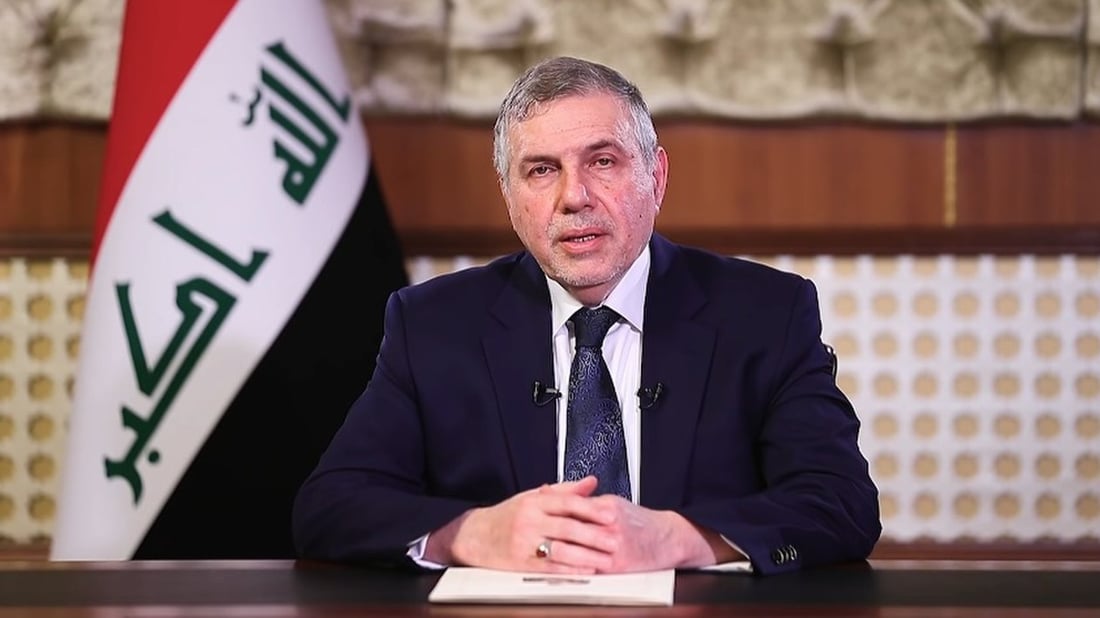
Iraqi politician Mohammed Tawfiq Allawi
Coordination urged
Allawi calls for security-protester committee ahead of Sunday’s rallies
BAGHDAD — Former Communications Minister Mohammed Tawfiq Allawi on Saturday called for a joint committee of security officials and protest representatives to agree routes, protect participants and prevent clashes ahead of demonstrations planned for Sunday in Baghdad and several other governorates.
“The peaceful protester demanding his rights is not an enemy of the state, but a citizen whose right to expression and peaceful assembly is guaranteed by the constitution,” Allawi said in a statement. He urged security forces to protect demonstrators, show restraint and avoid unnecessary or disproportionate force, and called on protesters to respect security personnel and avoid violence or damage to property.
The demonstrations reflect public anger over unemployment, poor services, corruption and government policy, Allawi said. “Patience is not surrender, calm is not weakness, and protecting the country does not mean remaining silent about wrongdoing and corruption.” He demanded investigations into corruption, the recovery of stolen public money and the publication of findings from inquiries into the killing and mistreatment of protesters.
Independent and opposition lawmakers should turn the protesters’ demands into legislation and oversight and act as intermediaries between demonstrators and the government, he said. He also asked the United Nations, diplomatic missions and international rights groups to monitor the protests, support protection for protesters, journalists and activists, and back independent investigations into any violations, while respecting Iraq’s sovereignty. Protesters should stay peaceful, reject sectarian and partisan divisions and not let political groups exploit their demands, he said. “The goal is not merely to protest, but to achieve a better state and a government that responds to citizens’ aspirations.”
Sunday marks the anniversary of the second wave of the Tishreen protests, which began in October 2019 over economic hardship, poor services and state dysfunction and became the largest demonstrations in Iraq since 2003. Allawi was named prime minister-designate in February 2020 in their aftermath but withdrew a month later after failing to win parliamentary approval for his cabinet. The Iraqi Observatory for Human Rights has counted 624 people killed in the protests, nearly half of them in Baghdad, more than the 541 deaths the Iraqi High Commission for Human Rights recorded between October 2019 and June 2020.