
Turf disputes possible
New digital ministry eyes departments from other ministries, sources say
BAGHDAD — Iraq’s new Ministry of Digital Economy, Governance, Science and Technology is preparing to take over departments and institutions now attached to other ministries, a move that could cause disputes over authority and overlapping responsibilities, sources told 964media.
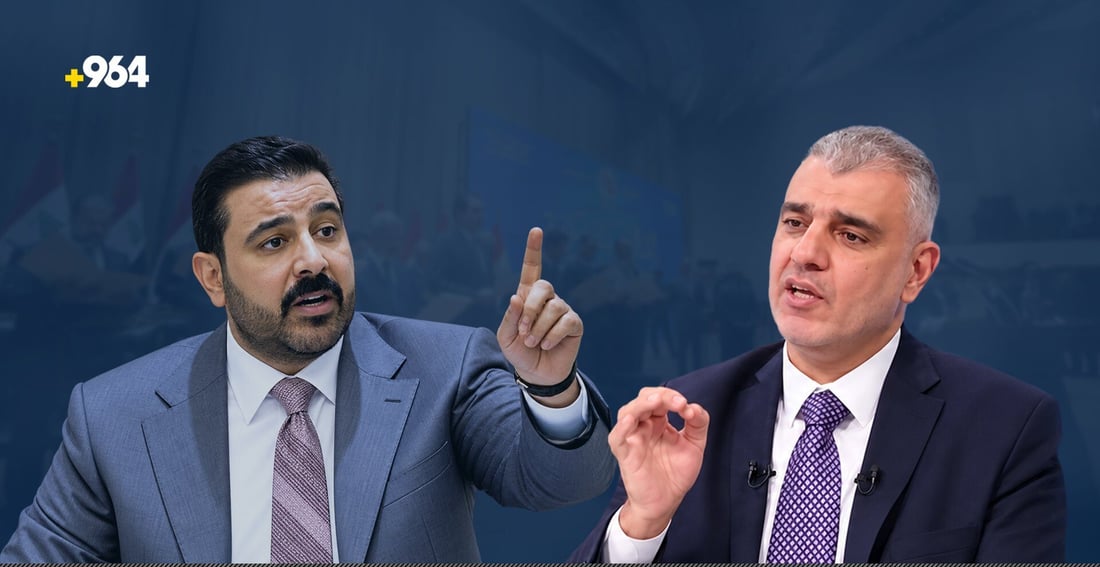
The ministry, which was rumored before its creation to be named the Ministry of Artificial Intelligence, is headed by Mohammed Sahib al-Darraji, who represents Shibl al-Zaidi, leader of the Kataib al-Imam Ali armed faction, in the government.
Its proposed responsibilities could extend across several government institutions, including managing electronic systems and databases, evaluating government performance and running existing departments.
Darraji is drawing up the ministry’s administrative structure and considering appointing two or three deputy ministers, according to the sources, who asked not to be named. Rather than create new departments, the ministry plans to bring existing institutions under its authority.
Among the institutions being considered for transfer are the National Center for Digital Transformation, which runs Ur, the government’s online services platform, and the National Center for Administrative Development and Information Technology, now part of the Planning Ministry.
Because the ministry’s mandate covers areas already handled by other bodies, the restructuring could lead to disagreements over who does what. Talks are continuing on a framework for cooperation with the Communications Ministry and on avoiding conflicts with the policies of Prime Minister Ali al-Zaidi’s office and other ministries. One question is unresolved: whether the new ministry’s assessments of other institutions’ performance will be binding, a source said.
Darraji is also prioritizing the automation of government transactions by expanding Ur rather than building a separate system. Citizens would submit applications and supporting documents through electronic forms or PDF files, which the system would review and forward to the relevant department director. Officials would then process and circulate applications electronically between departments until a final decision is issued, so citizens would no longer have to visit several offices to collect signatures or follow up.
Iraq’s parliament on Oct. 15 approved 11 ministers and three deputy prime ministers, including Darraji and Laith al-Khazali of Asaib Ahl al-Haq, who is under U.S. terrorism sanctions, filling all but one of the vacancies left in the cabinet five months after it took office. The newspaper Al-Mada reported at the time that the new ministries were being allocated to armed factions as part of talks over their weapons. Kataib al-Imam Ali handed its personnel records and weapons inventory to a state committee in June.
Parliament approved the government on May 14, confirming 14 of 23 ministers and leaving nine portfolios unfilled amid disputes among the blocs, chiefly over interior and defense.