
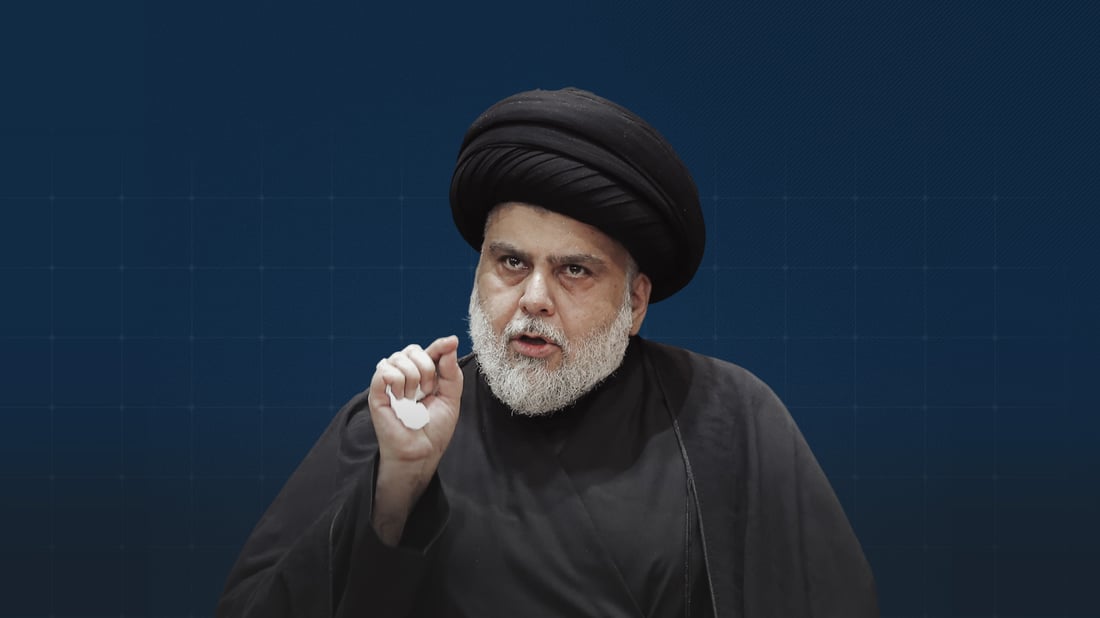
Shiite cleric Muqtada al-Sadr
Compensation demand included
Sadr dissolves the Promised Day Brigade and tells Iraq’s political leaders to step aside
BAGHDAD — Muqtada al-Sadr announced the immediate dissolution of the Promised Day Brigade and called for all weapons in Iraq to be placed under state control as the coalition’s mission ended on Wednesday. He also called on the country’s current political leaders to withdraw from public life at once.
In a statement declaring the end of the American and coalition presence, Sadr said the Mahdi Army would become the Ansar al-Imam al-Mahdi Foundation. He called for a public and carefully designed programme to put weapons exclusively in the state’s hands, producing tangible results acceptable to the public and the religious authorities, and for the security forces, particularly the Border Guard, to be strengthened and regulated.
It completes the dismantling of the armed structures he has built since 2003. The Mahdi Army, which he founded after the invasion, fought U.S. and Iraqi government forces before he froze it in 2008, and the Promised Day Brigade emerged that year as a smaller force to continue armed resistance against coalition troops. In May he announced that Saraya al-Salam, the larger force he formed in 2014, was cutting its ties to his movement and joining the state under the commander-in-chief, and on June 4 it handed its Samarra headquarters to the security forces. It said later that month that its units would remain in Samarra until the security file there was fully transferred. He announced similar moves for Saraya al-Salam in 2017 and 2019.
Existing political leaders should step aside immediately to make way for new figures, Sadr said, presenting it as part of fighting corruption and pursuing reform. He demanded compensation from the U.S. military for damage caused during the occupation and urged those affected to go to court, and said Washington should deal with Iraq on the basis of equal diplomatic relations. He warned the United States and neighbouring countries against interfering in Iraqi affairs, saying it could lead to reciprocal measures and even severed relations, particularly if Iraq were drawn into political, ideological or regional conflicts.
The statement came on the day Prime Minister Ali al-Zaidi’s plan for the armed factions begins, with a 90-day halt to attacks before a gradual handover ending on June 30, 2027. Ashab al-Kahf threatened a military response to any foreign presence after Sept. 30 and rejected handing over its weapons, and a Kataib Hezbollah security official said the group would monitor Iraqi airspace, try to shoot down aircraft it considers hostile and work to bring down Zaidi’s government.
Sadr welcomed the coalition’s departure earlier this month while warning it should not open the way for interference by other foreign powers, and told Iraqi politicians not to invite the Americans back. The coalition has handed over all its bases and headquarters, and security ties with its members are moving to bilateral arrangements.