
Iraq printed 25 trillion dinars as FM warns of salary risk due to Hormuz crisis
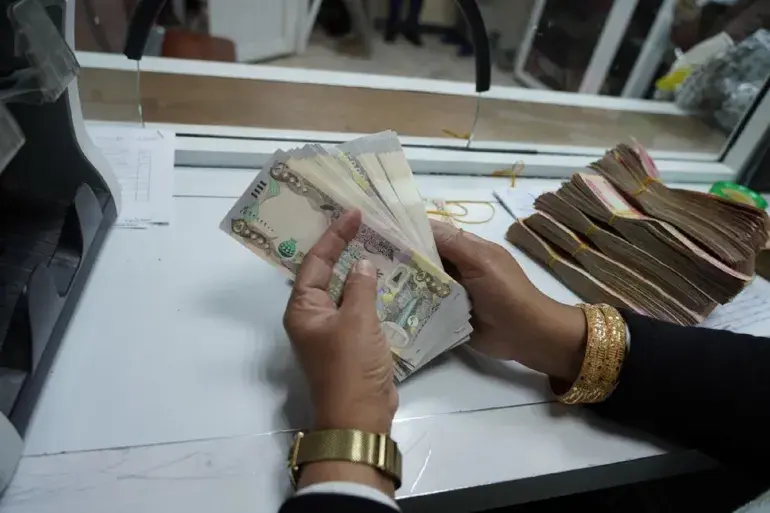
BAGHDAD — Iraq has printed 25 trillion dinars ($16.3 billion) to address a growing liquidity shortage and could struggle to pay public-sector salaries next month if the Strait of Hormuz remains closed, Foreign Minister Fuad Hussein warned Saturday.
Speaking to Al Sharqiya, Hussein said the money supply had risen from 100 trillion dinars ($65.4 billion) to 125 trillion dinars ($81.7 billion) as a result. “We cannot solve our problems by printing money, because this increases inflation, which has already risen,” he said. “If the closure of the Strait of Hormuz continues, we will face great difficulty in paying employee salaries next month.” He added that a prolonged conflict through the end of the year “will be a catastrophe for us, because there are no revenues,” and called for stronger engagement with Gulf and Western countries to secure assistance.
A parliamentary Finance Committee member offered a more measured assessment. Ribwar Karim told state-run Al-Sabah on Sunday that salaries are not in immediate danger, saying the government has options including internal and external borrowing and Central Bank support. “Securing salaries will not be affected,” he said, adding that there is broad political consensus on maintaining payments.
Karim said a 2026 federal budget is unlikely to be passed and that attention may shift to preparing the 2027 budget, which he said would give a clearer picture of the crisis’s fiscal impact.
Iraq’s oil export revenues collapsed earlier this year after the Strait of Hormuz closure disrupted southern terminals. Exports fell from nearly 100 million barrels in February to 18.6 million in March, while revenues dropped from more than $6.8 billion to around $1.95 billion. Because oil accounts for the vast majority of government income, the disruption rapidly translated into pressure on public finances.
Baghdad has since accelerated efforts to diversify export routes. Basra Oil Co. has announced plans to raise alternative export capacity to 650,000 barrels per day, expand flows through northern corridors linked to Turkey and Syria, increase truck shipments and build a new pipeline to Khor al-Zubair port capable of handling 350,000 barrels per day.