
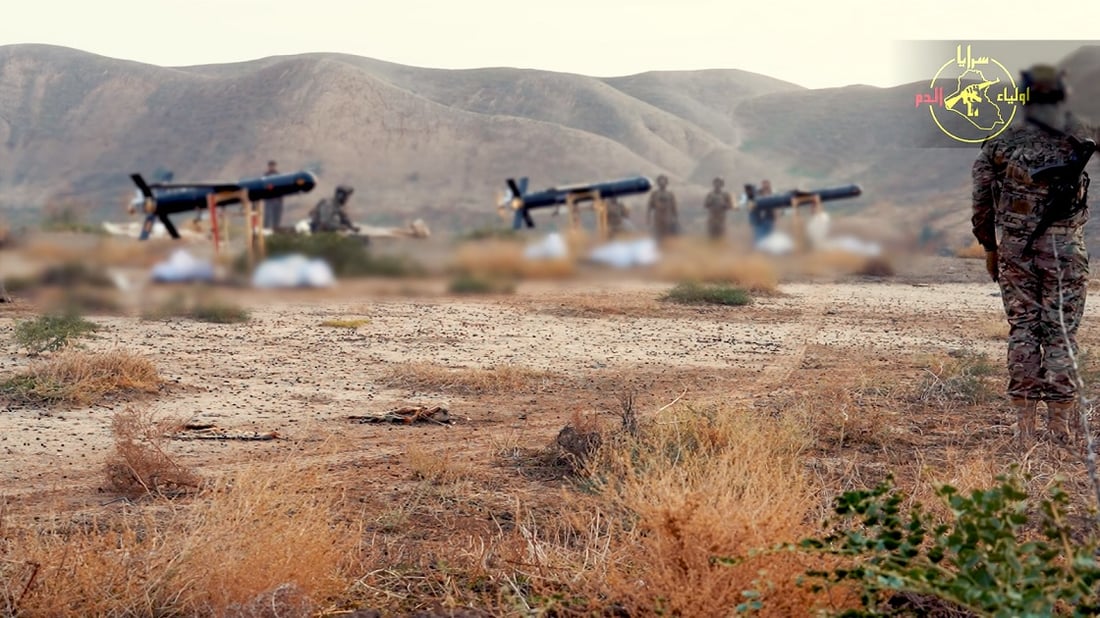
Saraya Awliya al-Dam
Armed group denies role in Erbil and Kuwait attacks
BAGHDAD — Saraya Awliya al-Dam denied Saturday any involvement in recent attacks on Erbil and Kuwait, rejecting media reports linking it to strikes that no group has claimed and that Iraqi and Kurdistan Region authorities have not publicly attributed to anyone.
Its fighters “did not carry out any military operation against Erbil or Kuwait or any other place during the past few days,” the group said in a statement from its military spokesperson, Abu Mahdi al-Jaafari, calling the reports false and unsupported by evidence. “We do not attribute to ourselves an act we did not commit, nor do we deny responsibility for an act we carried out,” the statement said. “Our positions are clear, our statements are explicit, and we are not among those who hide behind claims.” It said promoting the allegations “serves agendas aimed at confusing the situation and creating unrest.”
The group also rejected the long-standing description of it as a front organization. “We are not a faction affiliated with any entity or any other banner, nor are we a front for any party,” the statement said. “We act only according to what our religious, national and humanitarian duty requires.” It dismissed reports and studies linking it to other groups as reaching conclusions “that lack accuracy and objectivity, and reflect a failure to understand the reality they claim to analyze.”
Saraya Awliya al-Dam emerged in 2020 and has claimed attacks on U.S. and coalition-linked targets, including the February 2021 rocket attack on Erbil. Security analysts have frequently described it as a front for larger Iran-aligned armed factions, a characterization it has consistently denied.
The denial follows weeks of drone and missile attacks across the Kurdistan Region. The latest wave began in early July with repeated drone strikes in Erbil governorate on sites including Khurmala oil field, areas near Erbil International Airport and other energy facilities, many of them intercepted by security forces.
The attacks later spread to Sulaymaniyah governorate, where seven missiles struck three locations July 17, among them the Komala Party of Iranian Kurdistan’s headquarters in Zargwezalla, killing nine members of the Iranian Kurdish opposition group’s Peshmerga forces and wounding three, according to Komala officials and the Kurdistan Region Security Council. Hours later, a suspected suicide drone hit a Peshmerga ammunition depot near Tasluja, setting off a large fire and secondary explosions.