
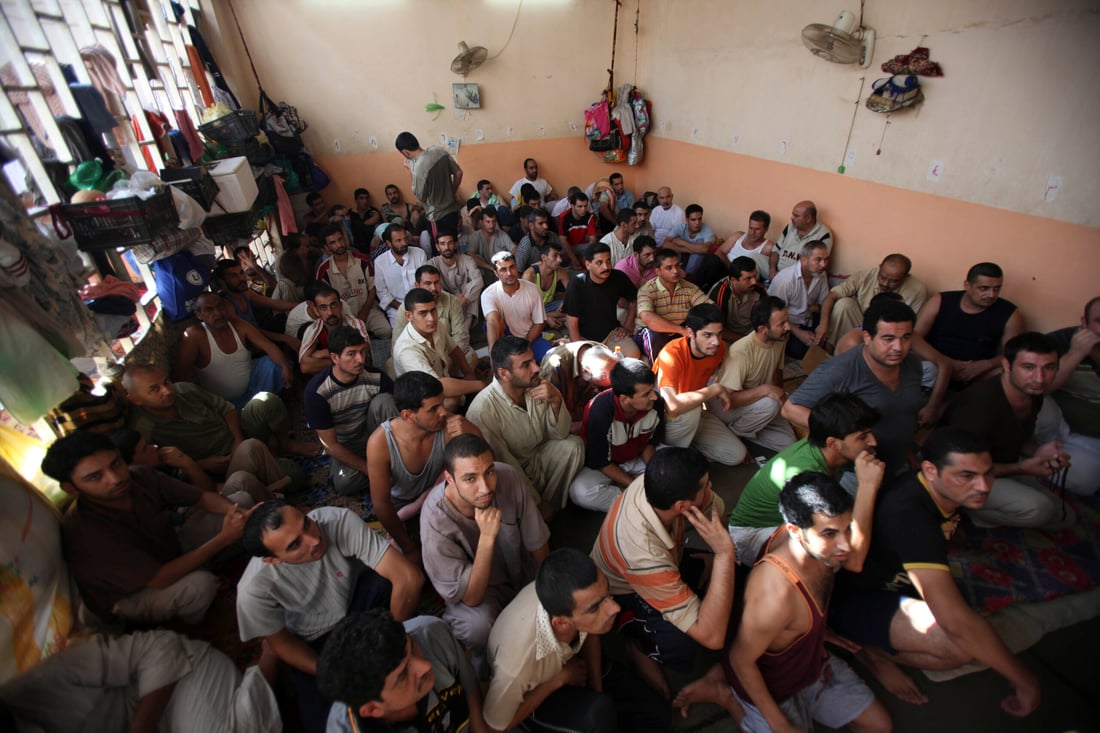
Iraq’s Ministry of Justice Plans to Reduce Prison Overcrowding from 300% to 200%
Iraqi prisons recorded 400 deaths in 2025, rights group says
BAGHDAD — Iraq’s prisons and detention centers witnessed a sharp rise in human rights violations in 2025, with at least 400 deaths linked to torture, medical neglect and severe overcrowding, the Iraqi Observatory for Human Rights said in an investigative report released Sunday.
The observatory described the situation inside Iraqi detention facilities as a “silent humanitarian catastrophe,” saying its field teams documented conditions across facilities holding nearly 67,000 prisoners and detainees in spaces designed for no more than 25,000 — overcrowding exceeding 300% of capacity in some prisons.
The report said 140 death cases were closed without disclosure of causes or circumstances, with families denied access to medical reports, which it said “perpetuates a policy of impunity” and raises concerns about “systematic violations taking place away from any independent oversight or real accountability.”
Overcrowding contributed to outbreaks of skin and respiratory diseases, rising cases of suffocation and malnutrition and “a near-total collapse of medical services” in several centers, the report said. Testimonies cited in the report alleged torture methods including severe beatings, electric shocks, prolonged suspension, sleep deprivation and denial of medical care “to extract forced confessions,” leading in some cases to permanent disabilities or deaths. Families were allegedly subjected to financial exploitation through demands for money in exchange for allowing medicine, clothing or visits.
Facilities where serious violations were documented include Nasiriyah Central Prison, known as Al-Hoot, Tel Kaif Prison in Nineveh, Karkh Central Prison and Taji Prison. The report also raised concerns about conditions affecting detained juveniles and children accompanying their mothers in some prisons.
The observatory called on the government to reduce overcrowding, improve health conditions, ensure access to lawyers and medical care and end torture practices. It also said the absence of a Board of Commissioners for Iraq’s High Commission for Human Rights weakens oversight and “fosters impunity.”
Iraq’s Ministry of Justice acknowledged the overcrowding crisis last year and announced plans to reduce occupancy rates from 300% to 200% by the end of 2024 through new facilities including the Najaf Transfer Prison and Amara Central Prison. Parliamentary reports at the time warned that overcrowding affecting nearly 70,000 inmates had contributed to outbreaks of tuberculosis and hepatitis as well as medical neglect and poor ventilation.