
Eid al-Adha
Kurdistan fatwa council urges residents to sacrifice locally, not send money abroad
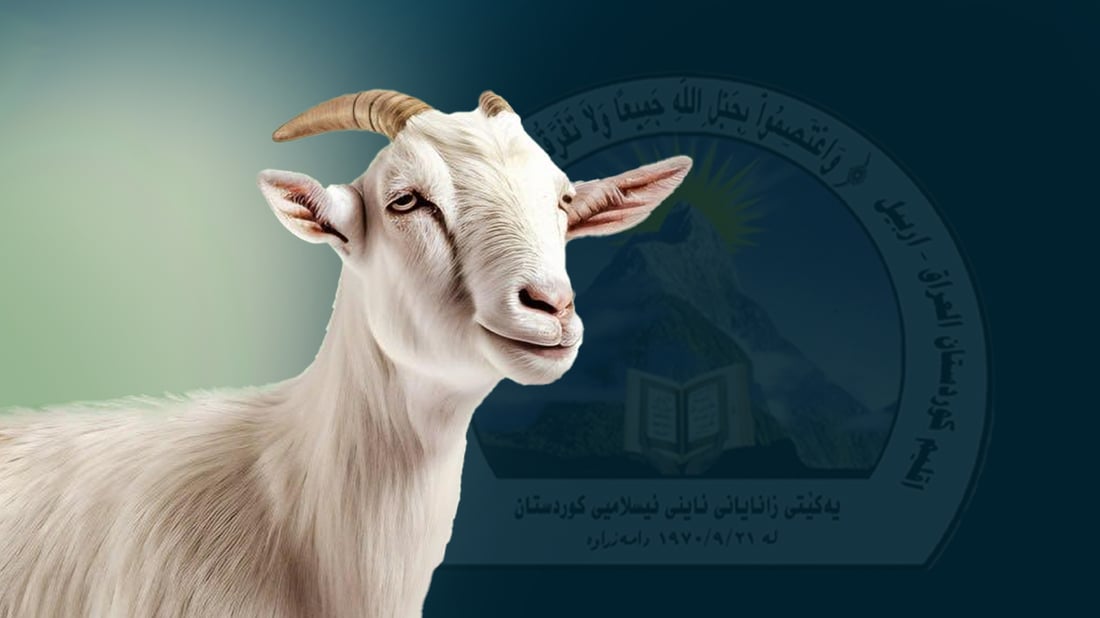
ERBIL — The Kurdistan Region’s High Fatwa Council called on residents Monday not to hand money to organizations or institutions to perform Eid al-Adha sacrifices on their behalf, saying the ritual is “an independent act of worship” better carried out personally.
“It is preferable for people to carry it out themselves,” the council said, adding a specific appeal: “We request that no one send sacrifices outside Kurdistan, especially because this year there is a great deal of poverty and hardship in southern Kurdistan and the other Kurdish areas.”
The call comes as several charitable organizations active in Iraqi Kurdistan and abroad collect donations from residents to perform sacrifices in Gaza, refugee camps and poor communities in Africa and Asia — a practice that has expanded in recent years as war and displacement have worsened poverty in some regions.
The council said the time for slaughter begins after Eid al-Adha prayers and continues until sunset on the fourth day of the holiday, with sacrifices permissible day or night throughout that period. Sheep and goats are designated for one person, while cattle and camels may be shared by up to seven. Under the Shafi’i school of jurisprudence followed in the region, transferring sacrifices from one country or city to another is not permissible except in cases of urgent need, greater poverty or distribution to poor relatives.
The council said it is sufficient for the head of the household to perform one sacrifice, with the reward extending to all family members, and that those abroad or performing Hajj should arrange sacrifices inside the Kurdistan Region through representatives.