
Repair costs climb
Ramadi mechanics report surge in fuel pump failures tied to poor gasoline
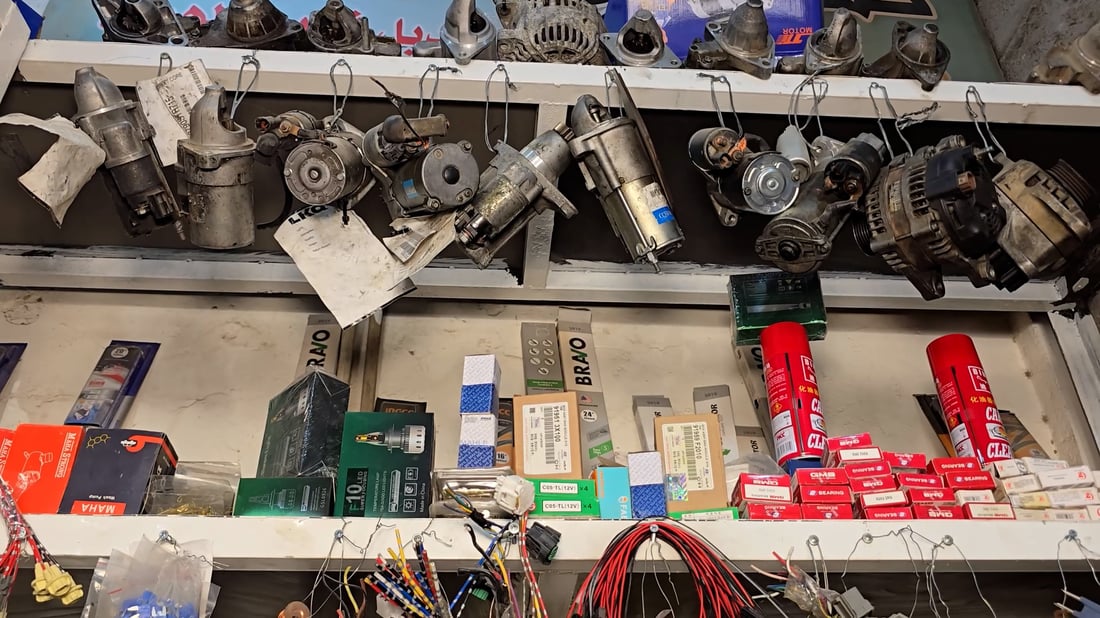
RAMADI — Auto repair shops in Ramadi are replacing as many as 10 to 15 fuel pumps a day, up from roughly one every 10 to 15 days, as motorists and mechanics blame poor-quality gasoline for sudden breakdowns and rising repair costs.
Residents and repair workers told 964media that the problem affects both regular and premium gasoline and has caused vehicles to stop unexpectedly on roads across Anbar governorate.
Masoud Hossam Fadel, a Ramadi resident, said Anbar has faced declining gasoline quality for more than two years and that none of the available grades meets the required standard.
“Workshop owners now spend most of their time replacing fuel pumps, each of which costs up to $100, creating a major financial burden because the fault recurs within short periods,” Fadel said.
Auto electrician Mohammed Imad said his workshop previously replaced one pump every 10 to 15 days but now replaces between 10 and 15 daily.
“Workshops are seeing a record rise in the number of fuel pumps being replaced in Ramadi,” Imad said.
Another auto electrician, Mohammed Raafat, said damaged pumps were causing vehicles to stop suddenly and that his workshop alone replaces seven to eight pumps each day. He said dozens of other workshops across the governorate were facing the same problem.
Anbar Governorate Council member Adnan al-Kubaisi said demand for higher-octane gasoline increases during summer, but a shipment delivered earlier had an octane rating of about 70 to 72, below the required level of 85.
“We contacted the Oil Products Distribution Company and refused to receive it unless it met the required level of 85, and the issue was addressed,” al-Kubaisi said.
He said the suspension of imports forced greater reliance on Iraqi production, which was insufficient to meet demand in all governorates and contributed to a decline in quality more than a month ago.
“We refused to receive it, and the Oil Products Distribution Company was forced to raise the octane rating again to between 82 and 85,” al-Kubaisi said.
Abdul Aziz al-Jassim, an adviser to the president of the University of Anbar and rapporteur of its Industrial Advisory Council, attributed the problem to low-quality imports, insufficient supply and outdated Iraqi refineries that were not designed for the number and specifications of modern vehicles.
“Iraqi stations and refineries are old and have not undergone fundamental upgrades to suit modern vehicles,” al-Jassim said.
He said authorities could address the problem by diversifying imports and purchasing higher-purity, higher-octane gasoline from countries such as the United Arab Emirates, Kuwait or Saudi Arabia.