
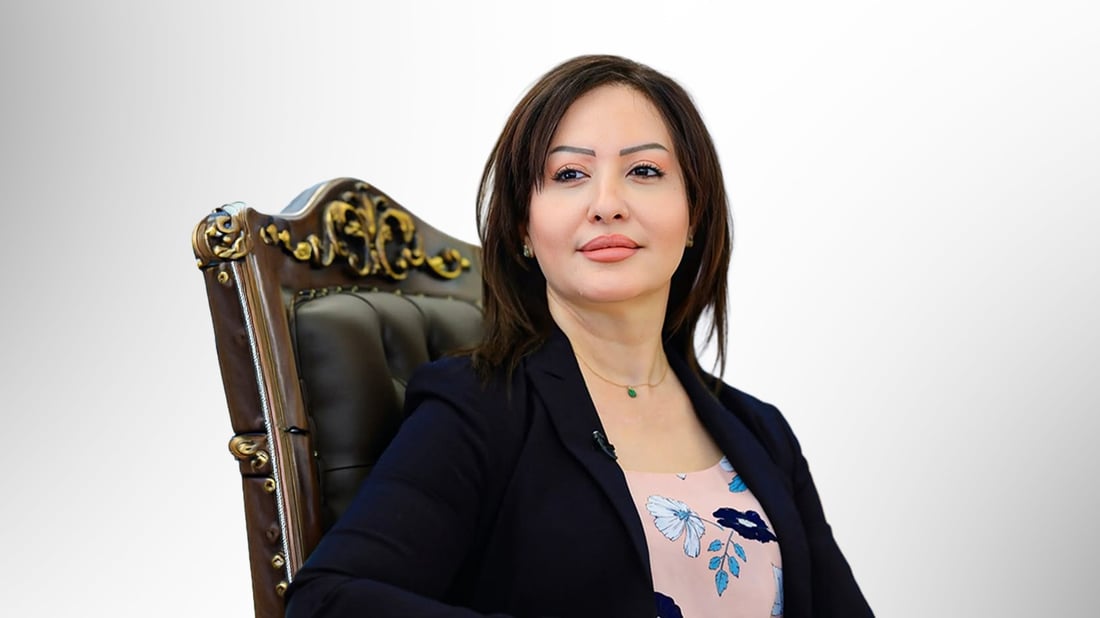
KDP’s Vala Fareed, elected Kurdistan Parliament speaker with 52 votes on Nov. 4, 2026.
One vote to spare
Kurdistan parliament elects KDP’s Vala Fareed speaker despite boycotts
ERBIL — The Kurdistan Region’s parliament on Wednesday elected the Kurdistan Democratic Party’s Vala Fareed as speaker with 52 votes, one more than the 51 the law requires, after lawmakers from boycotting parties broke ranks to attend.
Lawmakers also elected Rami Nouri, a Christian lawmaker from Ainkawa, as deputy speaker and Muna Kahveci of the Turkmen Reform Party as secretary, each with 52 votes. It was the parliament’s first quorum since its opening sitting in December 2024, more than two years after its election.
Under Article 48 of the Region’s parliamentary election law, the speaker, deputy speaker and secretary are chosen by secret ballot and need an absolute majority of all 100 members, or 51 votes, however many attend. On Tuesday, Ardalan Mohammed, head of the parliament’s Diwan, its administrative office, said only 43 lawmakers had signed the request for the sitting. Without votes from lawmakers whose parties stayed away, the KDP and its allies could not have reached 51.
Fareed had headed the KDP’s bloc. She also served as interim speaker for five months in 2019, at the start of the previous term, elected then too while the Patriotic Union of Kurdistan boycotted the vote.
The KDP, the largest bloc with 39 seats, requested Wednesday’s sitting. The PUK, its main rival, said it would stay away, as did the New Generation Movement, the third-largest bloc with 15 seats and the PUK’s ally since January. The opposition National Stance Movement, the Kurdistan Islamic Union and Komal also said they would boycott, but lawmakers from several of those blocs took part.
Three lawmakers elected on the PUK’s list in Erbil attended: Hardi Salah, Mohammed Faisal and Nishtiman Mustafa. Salah and Faisal have said they have left the PUK and now sit as independents.
Two of the National Stance Movement’s three lawmakers, Sazgar Faiq and Sara Muhsin, also attended, leaving the movement’s leader, Ali Hama Salih, as its only lawmaker staying away. The movement said in a statement that it had expelled both for attending against the party’s position.
The statement said the two had won only 1,000 votes between them and entered parliament through the quota of seats reserved for women.
“Our campaign slogan was non-surrender to this authority, and now they take the votes of dissatisfied people and surrender them to that authority!” the statement said.
Three lawmakers elected for New Generation, the movement led by Shaswar Abdulwahid, were there too: Shvan Saeed, a cleric, Daryoosh Ali and Khalid Mohammed. Saeed has said he is no longer part of the movement.
Ala Barzanji, one of two lawmakers from the People’s Front, took part as well. The party’s leader, Lahur Sheikh Jangi, was sentenced in October to five years and three months in the Lalazar conspiracy case and is appealing.
Rebin Mohammed Haji Mahmoud, the only lawmaker from the Kurdistan Social Democratic Party, which ran in the 2024 election as the Kurdistan Region Alliance, was also present.
The parliament swore in its members on Dec. 2, 2024, but had failed to elect a speaker until Wednesday. A second attempt in January 2025 drew only 26 members, all 15 New Generation lawmakers among them. In January this year, New Generation agreed to unite its bloc with the PUK’s, creating a 38-seat force.
The KDP won 39 seats in the Oct. 20, 2024, election, the PUK 23 and New Generation 15, leaving no party with a majority. The deadlock has also held up a new cabinet: the current KRG cabinet, formed in 2019 and led by Kurdistan Region Prime Minister Masrour Barzani, remains in office.
Iraq’s Federal Supreme Court on Oct. 26 threw out a lawsuit seeking to dissolve the parliament. It set Dec. 14 to hear a separate case that asks it to declare the Kurdistan Regional Government a caretaker government.