
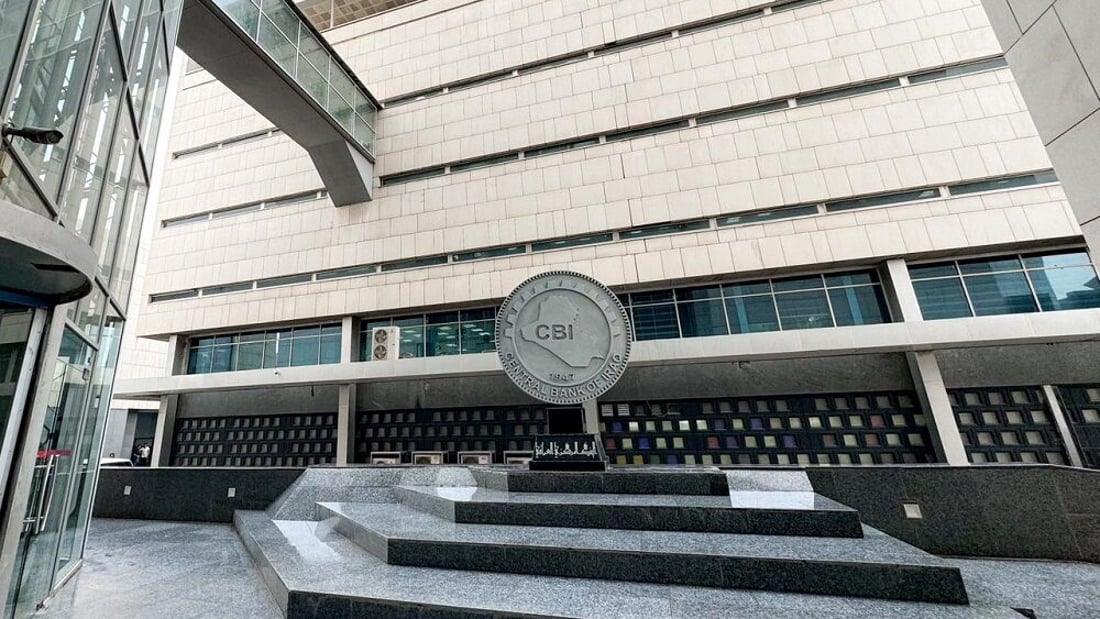
The Central Bank of Iraq (CBI) headquarters in Baghdad
Iraq’s Central Bank denies it sought audits of politicians’ accounts
BAGHDAD — The Central Bank of Iraq on Thursday denied reports that it had asked for audits of the bank accounts of specific political figures, saying the claims did not reflect how it works.
In a statement on its website, the bank said the reports, circulated by some news websites and social media platforms, were false and did not reflect the nature of its work or its institutional procedures. It did not name the outlets or the political figures involved.
The bank said its supervisory and auditing work is part of its routine duties, is carried out under the laws and regulations in force and has no political dimensions or motives. It urged media outlets and social media users to check information with official sources and not to circulate unverified reports.
The Central Bank issued a directive on Aug. 29 requiring banks and financial institutions to apply due diligence to accounts linked to politically exposed persons, the banking term for people in prominent public roles and those close to them.
Banking and regulatory sources told 964media at the time that the measures cover politicians’ relatives to the third degree, with banks told to build dedicated databases as part of know-your-customer checks. One source said the rules might be extended to politicians’ personal security staff and that the Federal Commission of Integrity would compare officials’ financial disclosures with their account activity where warning signs appeared.
Mahmoud Dagher, an adviser to the Central Bank governor and the bank’s spokesperson, told 964media in early September that Iraqi banks were tightening scrutiny of politicians, their relatives and associates to keep the banking system clear of transactions that could expose it to sanctions linked to Iran.
“The latest sanctions on Iran sounded an alarm bell in Iraq and prompted multiple measures to prevent these sanctions from affecting the Iraqi financial system, particularly given the overlap of economic and banking relations between Iraq and countries in the region,” he said at the time.
Banks had been told to apply stricter controls to high-risk groups, including politicians and people connected to them, Dagher said. “The review process may extend to family members and people close to politicians to verify sources of income and the integrity of financial transactions,” he said.
The U.S. Treasury sanctioned networks in several countries on Aug. 7 that it said moved hundreds of millions of dollars for Iran through shadow banking, which moves money outside the regulated banking system. On Aug. 24, Treasury Secretary Scott Bessent warned Iran’s trading partners that they faced expanded secondary sanctions.
The Treasury has also asked Baghdad to tighten oversight of government contracts to keep money away from Iran-sanctioned entities, and a Planning Ministry committee is drafting the rules, sources told 964media this month.