
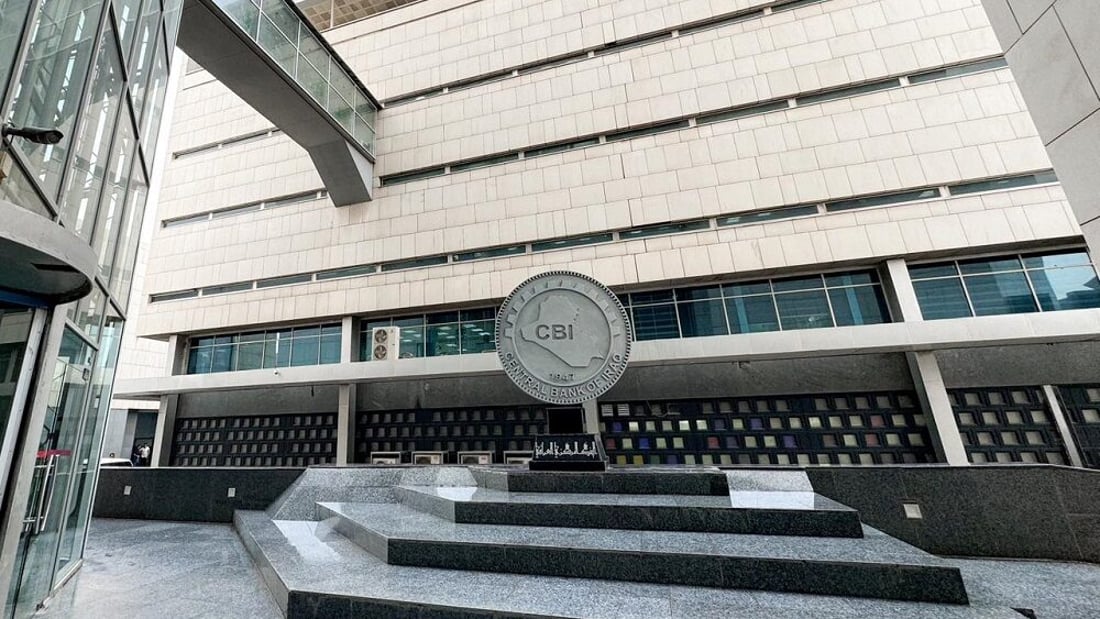
The Central Bank of Iraq (CBI) headquarters in Baghdad
Central Bank blames ‘speculation’ as the dinar hits 1,602 to the dollar
BAGHDAD — The Central Bank said its reserves are enough to meet all demand for foreign currency, blaming speculation and the exploitation of regional conditions for a parallel market rate that has reached 21% above the official one.
The official rate is 1,320 dinars to the dollar, or 132,000 per $100. The market selling rate in Baghdad reached 160,250 dinars per $100 on Saturday, with 159,450 in Erbil and 159,500 in Basra, and buying rates of 159,250 in Baghdad and 159,000 in the other two. Earlier this month it was below 155,000, so the gap has widened by more than 3% in under three weeks.
“The rise in the exchange rate in local markets is due to market speculation, expectations and the misuse of geopolitical conditions in the region to disrupt economic and financial conditions by some beneficiaries of this situation,” the bank said, without elaborating. Its reserves cover demand for foreign currency to finance trade, settle card transactions and supply cash dollars to travellers at the official rate, and it will keep financing foreign trade through approved channels, it said, urging people to rely on official data rather than unreliable sources.
The gap is itself an incentive. Travellers can buy limited amounts at the official rate through authorised banks and exchange companies including at airports, and reselling at the market rate returns about 21%. The Central Bank cut the monthly traveller allocation from $3,000 to $2,000 in July, and travellers may not take more than $20,000 in cash out of the country, with amounts between $10,000 and $20,000 to be declared.
Iraq’s foreign currency reserves stood at $78 billion in August, according to the prime minister’s financial adviser Mazhar Mohammed Salih, who said Iraq was not borrowing externally to support the budget but could need to if the terms were cheap and long. The state needs 7.7 trillion dinars a month, about $5.8 billion at the official rate, to cover salaries and payments. The government acknowledged a fiscal crisis in late July and July pay went out in stages. Oil provides more than 90% of federal revenue, and exports recovered to about 2 million barrels a day in August, their highest since shipping through the Strait of Hormuz was disrupted in March. More than 85% of the cash supply sits outside the banking system.