
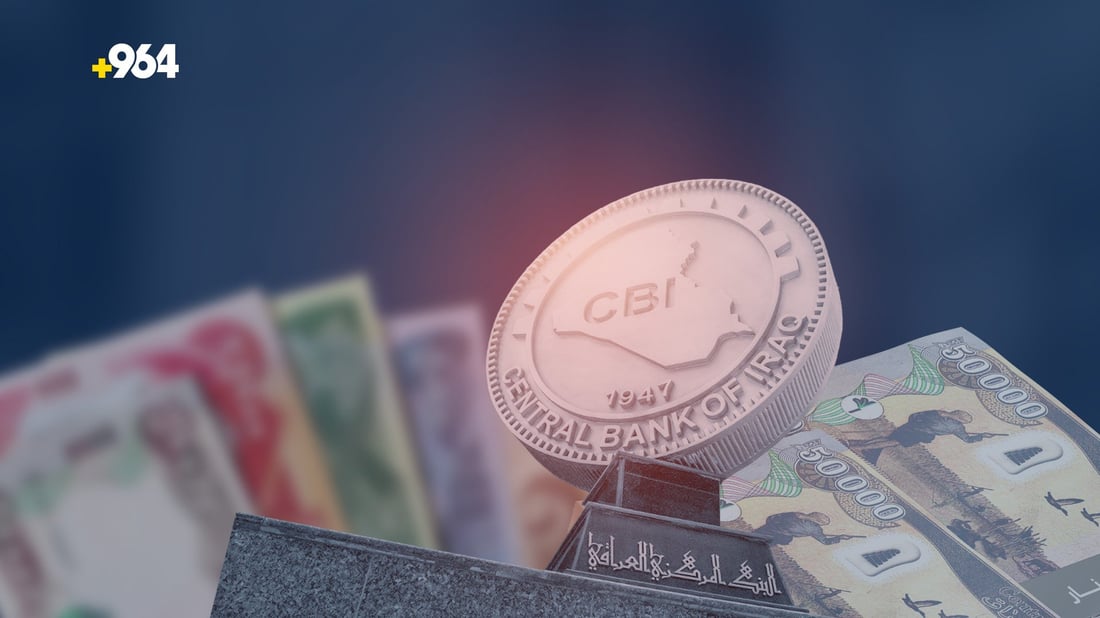
Exchange rate ‘not a fund to cover budget gaps,’ ruling alliance says
BAGHDAD — Blocs in the Coordination Framework, the ruling Shiite alliance, called on the government and the Central Bank on Thursday to rein in the parallel currency market, exempt essential goods from customs duties and order a 15% cut in school and university fees, saying “the exchange rate is a monetary tool, not a fund to cover budget gaps whenever resources become scarce.”
The statement came a day after Ali al-Jourani of the Hikma Movement, part of the Framework, said the devaluation “came from the Coordination Framework” and had been approved by bloc leaders. The blocs acknowledged the pressure on the government to fund public salaries but said “objection alone does not lift the burden off citizens,” and set out measures they said should be taken immediately.
They urged the government and the Central Bank to control the parallel market, curb currency speculation and stop traders from using the decision to raise prices. They proposed a protected basket of essential goods, including food, medicine and construction materials, exempt from customs duties for six months, with reference prices published on a public platform and regulators required to act at once against manipulation or unjustified increases. Prime Minister Ali al-Zaidi postponed duties on imported eggs, chicken and livestock on earlier this week.
Public and private schools, universities, colleges, and evening and parallel study programs should cut fees by 15% this academic year as “direct compensation for families affected by the exchange rate adjustment,” the blocs said, with the Education and Higher Education ministries overseeing it.
To raise revenue elsewhere, they called for full tax settlements with telecommunications companies, banks and major corporations, with lists of compliant and noncompliant companies published every three months. They proposed an exchange rate stabilization fund, financed by oil revenue earned when prices exceed the level assumed in the budget, to be used only to protect the dinar and build reserves “rather than allowing the currency to depreciate whenever government resources decline.”
Part of the extra dinar revenue from the devaluation should go to interest-free loans for farms and factories that replace imports, and to jobs for graduates, the blocs said. “Imports drain hard currency, while domestic production generates the dollars Iraq needs,” the statement said. They also called for a review of government contracts and public projects affected by the change, so that work continues without unjustified extra costs passed on to citizens.
Since Wednesday, the Central Bank buys dollars from the Finance Ministry at 1,500 dinars, sells to banks at 1,510 and sets the public rate at 1,520, up from 1,300, 1,310 and 1,320 since February 2023. The parallel market closed Thursday at 1,660 to 1,680 dinars per dollar, about 10% above the new official rate, after passing 1,700 in Baghdad on Wednesday.
Revenues covered only 76% of salaries and welfare in the first seven months of the year, leaving a gap of 29 trillion dinars, economist Nabil al-Marsoumi said on Sunday. Oil provides more than 90% of federal revenue, and exports have recovered to about 2.6 million barrels a day after collapsing when shipping through the Strait of Hormuz was disrupted in March, against 3.3 to 3.5 million before.