
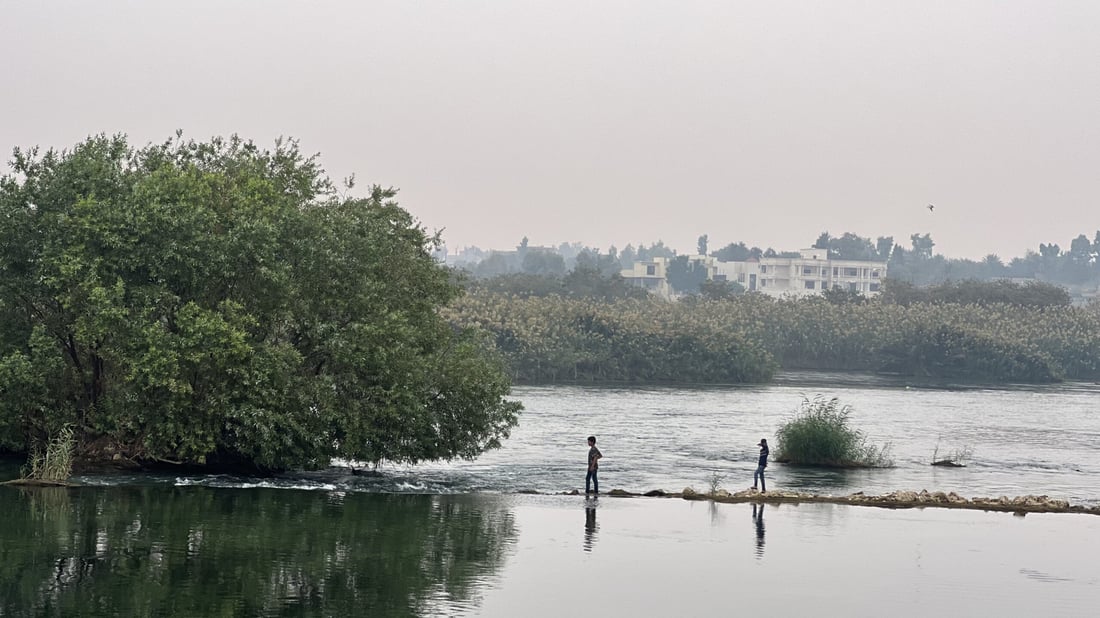
Iraq activates flood operations room ahead of winter
BAGHDAD — The Water Resources Ministry has activated its central flood operations room and stepped up inspections of dams and waterways ahead of what forecasts suggest will be a very wet autumn and winter, with rain possibly starting by the end of this month.
It comes just over a year after it described Iraq as being in its worst drought since 1933.
Global models point to heavier rainfall particularly in northern and eastern Iraq, spokesperson Khalid Shamal said. “With forecasts indicating that the coming autumn and winter seasons will be very wet, the Ministry of Water Resources has adopted emergency measures in anticipation of possible flood waves,” he said, with rain possibly arriving “early, at the end of the current month of September or during next month.”
The operations room will monitor levels on the Tigris and Euphrates, identify bottlenecks and flood-prone stretches and prepare responses. Engineering teams are inspecting areas where flooding could occur before the rain starts, and the ministry is working with Civil Defense to raise staffing and equipment readiness in governorates near rivers, particularly along the Euphrates. Maintenance has been intensified on earthen dams and barriers near homes and farmland, especially in border governorates, so they can take and safely discharge higher levels. Strategic dams and reservoirs are being managed to leave storage capacity for extra inflows, Shamal said, with surplus water potentially diverted to natural depressions and the marshes.
The turnaround has been sharp. Reserves stood at about 10 billion cubic metres in May last year against the 18 billion officials said was needed to enter summer safely, and by July had fallen to 8% of total storage capacity, with inflows into the two basins at 27% of the previous year. Storms added about 6 billion cubic metres by April this year and storage reached around 34 billion by July, against 5 billion at the end of 2025, with Mosul, Dukan and Darbandikhan at roughly 70% to 80% of capacity by the end of spring. Shamal put national storage above 31 billion cubic metres earlier this month, down from the July figure after a summer of irrigation releases and evaporation.
The ministry is also preparing its winter agricultural water plan, with the minister visiting Middle Euphrates governorates to review distribution and coordinate allocations with local governments.