
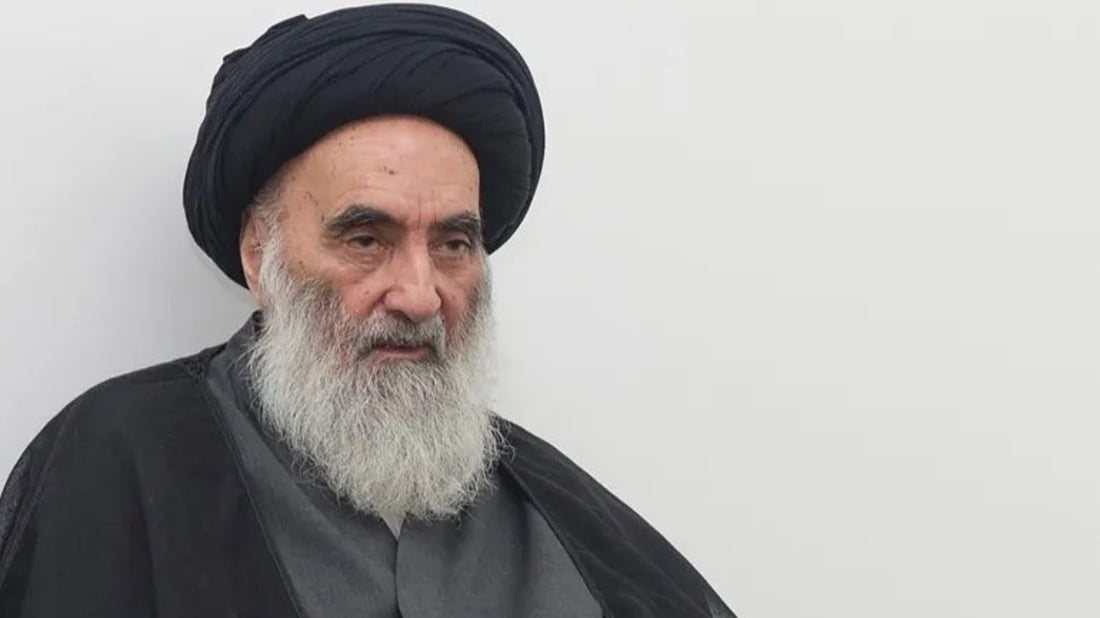
Grand Ayatollah Ali Al-Sistani
Sistani’s office declares dumping untreated waste in rivers religiously forbidden
NAJAF — The office of Iraq’s top Shia cleric, Grand Ayatollah Ali al-Sistani, declared on Wednesday that dumping untreated sewage and solid, medical or chemical waste into rivers is forbidden under Islamic law, saying those who do so commit a sin because of the harm to public health.
The ruling came in response to a query from a group who said pollution of Iraq’s rivers had worsened in recent years as waste discharges contaminated the water and damaged health and the environment. Sistani’s office said dumping such waste was not permitted “because it leads to harm to people,” that anyone responsible for it “is sinful under Islamic law” and could also bear legal liability, and that breaking the relevant government regulations was likewise impermissible. It urged authorities to provide alternative means of waste disposal.
The ruling lands amid a worsening pollution problem in Najaf, where the Euphrates remains one of the governorate’s main environmental challenges. Nizar Abd Abbas, head of wastewater projects at the Najaf Sewerage Directorate, told the Iraqi News Agency that the directorate cannot keep up, with limited funding and treatment capacity outpaced by urban growth. Its five plants in Najaf and Kufa are designed to handle about 85,000 cubic meters a day, he said, but incoming volumes exceed that.
Najaf authorities announced measures in June to address the shortfall and cut pollution in the Euphrates, with new plants planned to expand capacity. In late April, Iraq’s Environment Ministry called for sewage treatment plants in all cities to protect the Tigris and Euphrates, saying more than two billion cubic meters of wastewater could be recovered annually with proper infrastructure.