
Fiscal pressures mount
Adviser to PM urges spending cuts and warns against borrowing as a fix
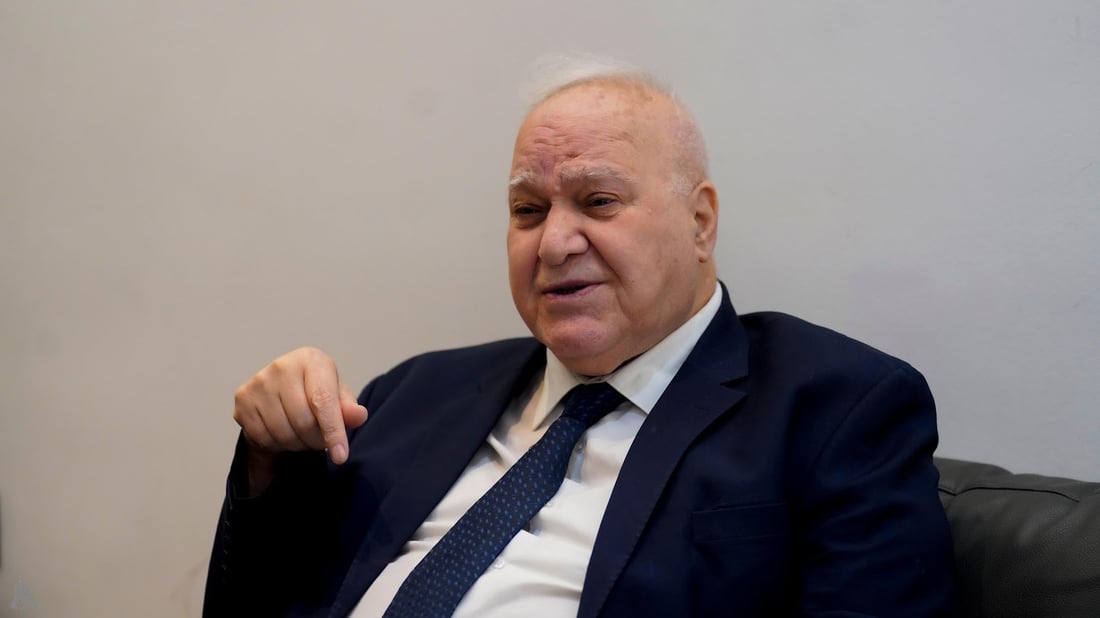
BAGHDAD — Prime Minister Ali al-Zaidi’s financial adviser called Sunday for a fiscal reform program built on cutting non-priority spending and raising non-oil revenue, warning that domestic borrowing offers only temporary relief and risks squeezing the private sector out of credit.
Mazhar Mohammed Saleh told the state news agency the government should in the short term postpone or reschedule non-priority projects and control unnecessary operating expenses “while maintaining spending related to salaries, basic services and social protection networks, in a way that limits the negative effects of the crisis on citizens.” He said non-oil revenue should be expanded by improving collection of taxes and fees, “maximizing revenues from border crossings and expanding the tax base,” alongside developing agriculture, industry and tourism.
On borrowing, he said it “can be a legitimate financial tool to cover part of the deficit if used within carefully considered limits and to finance temporary needs, but it does not represent a permanent solution.” Expanded government borrowing could absorb market liquidity, raise bank lending costs and restrict private-sector access to financing while adding to future debt, he said, and should be treated as “a complementary option within a broader fiscal and economic reform program, not as an alternative to structural reforms.”
Saleh attributed the pressure on public finances to a decline in oil prices and export income. Oil Ministry figures show the fall has been driven by volume rather than price: Iraq earned about $2.34 billion from 32.1 million barrels in May and June, an implied $72.90 a barrel, against roughly $68 a barrel in February, when it exported close to 100 million barrels in the month. Exports collapsed after shipping through the Strait of Hormuz was disrupted by the war between Iran and the United States and Israel, cutting off the southern terminals near Basra that handle most of Iraq’s crude. Oil normally provides more than 90% of federal revenue.
His remarks add a third position to a widening argument inside the government and parliament. Jamal Kocher, a member of parliament’s Finance Committee, has called for the Central Bank to create more money to cover salaries and rejected selling state property, saying it would raise no more than 7 trillion dinars. Financial analyst Mustafa Hantoush has said the government may need a 10 trillion dinar borrowing law to pay salaries through the rest of the year, estimating a monthly gap of about 4.5 trillion dinars. Saleh is the first of the three to argue against relying on borrowing.
The government confirmed last week that Iraq is in a financial crisis and that salary payments will be delayed, spokesperson Haider al-Aboudi said. Estimates of the monthly salary bill vary widely: Health Minister Abdul Hussein al-Mousawi has put it at 10.8 trillion dinars, Kocher at 7.8 trillion and Hantoush at 7.5 trillion to 8 trillion, while Finance Ministry accounts for the first four months of the year show civil servant wages running at about 5 trillion dinars a month.