
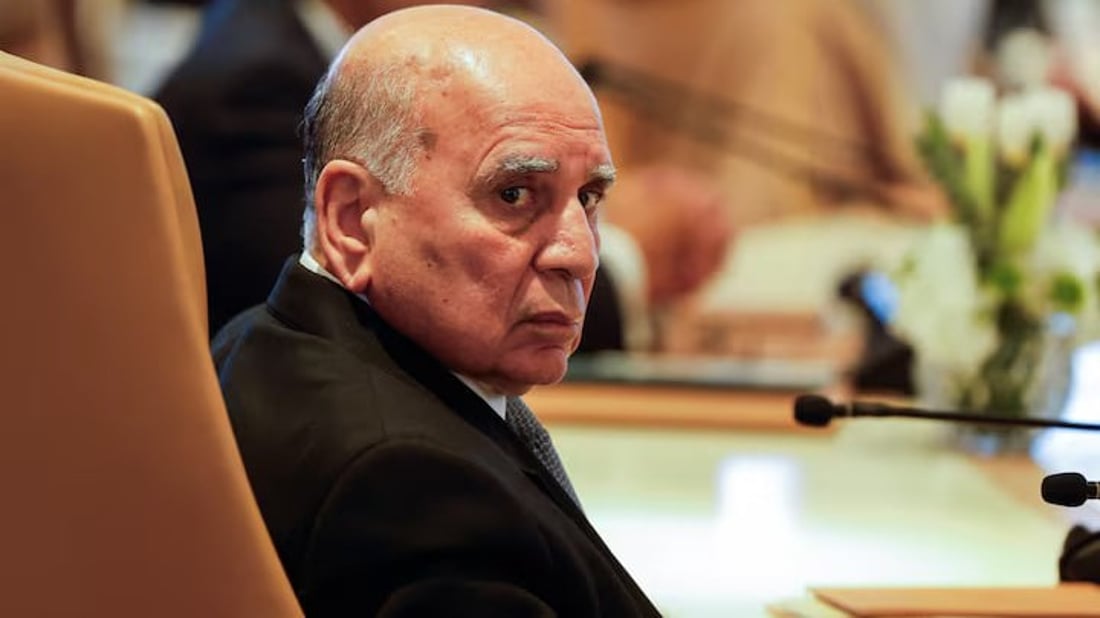
Iraqi Foreign Minister Fuad Hussein
Monitor
Iraqi, German foreign ministers discuss efforts to keep Iraq out of regional conflict
BAGHDAD — Iraqi Foreign Minister Fuad Hussein received a phone call Saturday from German Foreign Minister Johann Wadephul to discuss escalating regional tensions following Israeli airstrikes on Iran, with both sides emphasizing the need to prevent Iraq from being drawn into a broader conflict.
According to a statement from Iraq’s Foreign Ministry, the two ministers exchanged views on the latest security developments in the Middle East, particularly the risks of further escalation between Iran and Israel.
Wadephul reaffirmed Berlin’s support for Baghdad and underlined the importance of shielding Iraq from regional fallout. “We want security and stability for Iraq,” he was quoted as saying, adding that Germany is working with international and regional partners to prevent Iraq from “being drawn into violence.”
Iraq has reportedly asked Iran not to carry out retaliatory strikes on U.S. military sites in Iraq amid concerns the country could become a theater of war.
Wadephul also stressed the need to resume nuclear negotiations between Iran and the United States, as well as with European countries. He described diplomacy as “a critical step to de-escalate tensions.”
In response, Hussein expressed appreciation for Germany’s support but warned of ongoing Israeli overflights. He cited “repeated Israeli violations of Iraqi airspace,” calling them a breach of international law and Iraq’s “sovereignty.”
On Friday, Iraq’s Foreign Ministry submitted a formal complaint to the United Nations Security Council over what it described as Israeli incursions into Iraqi airspace. The ministry called on the Council “to take legal and moral action” to prevent further incidents, describing the overflights as a “flagrant violation” of sovereignty.
Hussein also warned of broader consequences if the conflict escalates, particularly if it affects shipping in the Strait of Hormuz. He said such a development could cause “severe economic disruption,” push global oil prices to between $200 and $300 per barrel, worsen inflation in Europe, and complicate exports from oil-producing countries including Iraq. He estimated that a closure of the strait could remove about 5 million barrels per day of Gulf and Iraqi oil from the global market.
He concluded by warning that further escalation could lead to new waves of refugees heading toward Europe, and called for decisive international efforts to address the root causes of regional instability.