
Iraqi power generation reaches 24,700 MW, still under half of peak demand
BAGHDAD — Iraq’s electricity generation has reached 24,700 megawatts this month, the Electricity Ministry said, up from about 21,000 through the summer but still under half of what the country needs at peak — and more than half of what is produced is lost before it reaches a paying customer.
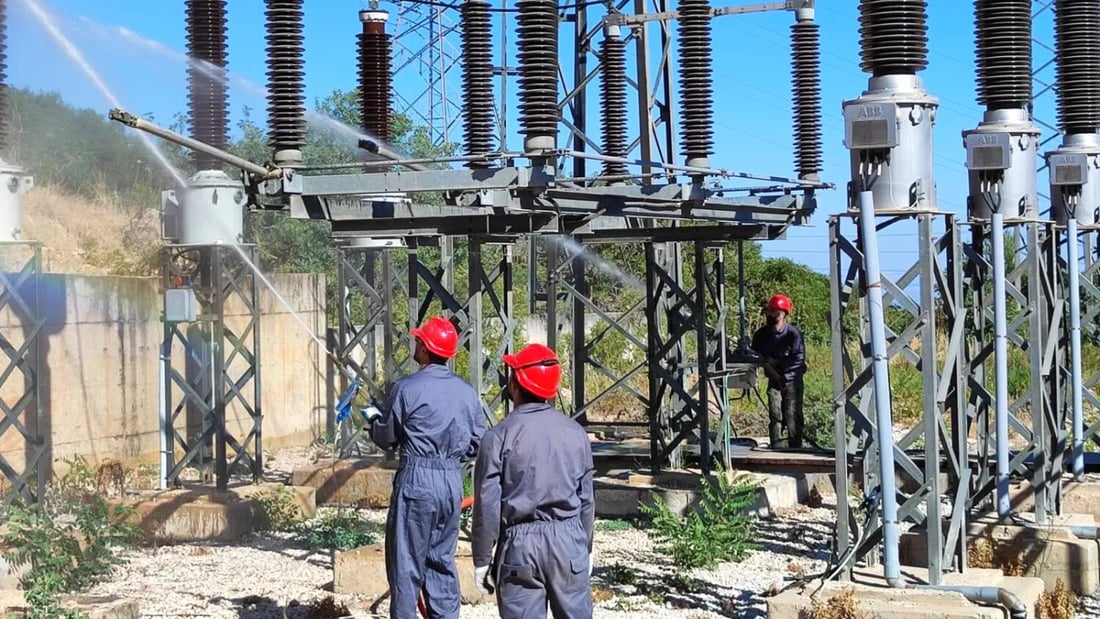
The output comes from plants operating in Baghdad and other governorates, with more expected as facilities under maintenance return to the grid, a ministry source told the state newspaper. A combined-cycle project at the Diwaniyah gas station, being built by a Chinese company and 48% complete, is expected to add 264 megawatts to the Middle Euphrates network in its first phase. The ministry has added capacity and rehabilitated existing plants in recent years to narrow the gap with demand, which keeps growing with population, urban expansion and household and industrial consumption.
The gap remains wide. The ministry has put peak summer demand at 55,000 to 60,000 MW, so the current figure covers about 41 to 45% of it, and September demand is lower than the August peak in any case. The ministry has not said how much of the increase is new capacity and how much is plants returning from maintenance. Its stated target is about 35,000 MW by 2030 through new plants, combined-cycle projects, solar and grid upgrades — a figure below what Iraq already needs today.
The losses are the larger problem. Former ministry spokesperson Ahmed Mousa al-Abadi has put them at 55% to 59% of everything produced, lost through ageing transmission lines, distribution networks carrying far more load than they were built for, illegal connections taken directly off the grid, and consumption that is never metered or billed. He has argued that repairing the distribution system should come before adding any new generation, on the grounds that power added at one end of a network that leaks more than half of it does not reach households at the other. The ministry said in late July that it would disconnect institutions with unpaid accumulated bills and had cancelled exemptions.
Iraq has also turned to imports and interconnections. It said last month that 600 MW from Turkey and 300 MW from Jordan had begun flowing after cross-border links entered service, four days after the minister told parliament that none of the promised interconnections was running. Plants rely on imported Iranian gas for a third to two fifths of their output, and deliveries fell sharply after attacks on Iran’s South Pars field. Officials also point to solar as a way of easing pressure on conventional stations.
Protests over supply ran through the summer. At least 52 members of the security forces were wounded in clashes in Kut on Aug. 10, with dozens of protesters also believed hurt and no count available, and residents of Basra, Najaf, Karbala and Wasit demonstrated over supply hours, blocking roads and in some cases clashing with security forces.