
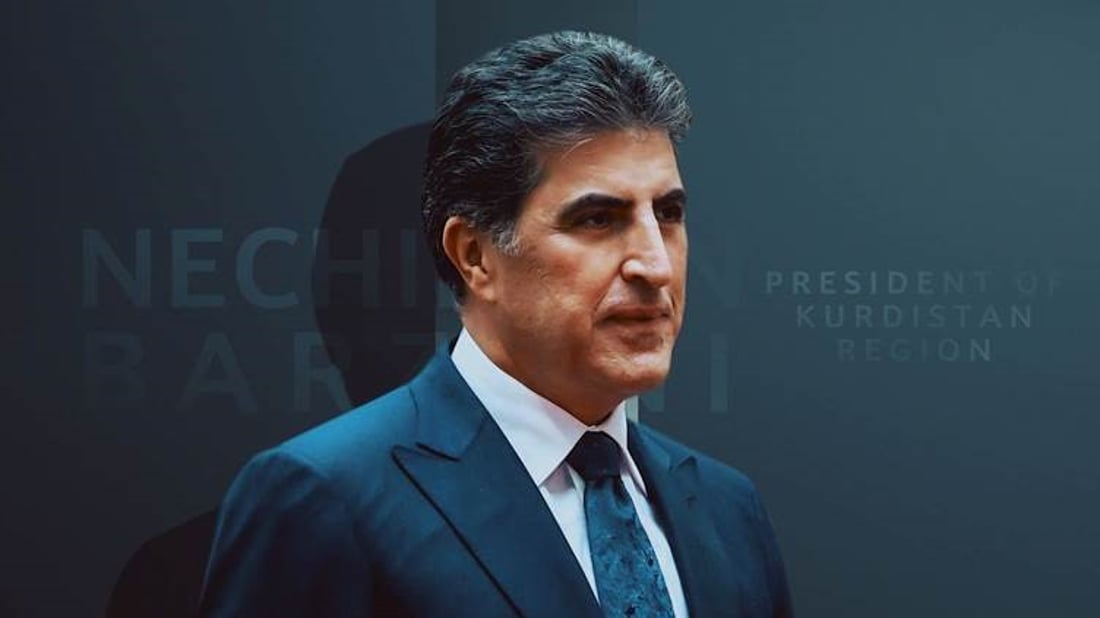
Nechirvan Barzani, President of the Kurdistan Region
Anniversary marked
Barzani pledges to keep searching for Yazidis still missing 12 years on from start of genocide
ERBIL — Kurdistan Region President Nechirvan Barzani said the search for Yazidis abducted by the Islamic State group would continue until every missing person is found or their fate established, as the community marked 12 years since the genocide began in Sinjar.
“We reassure our Yazidi citizens that as long as even one abductee remains missing, our office’s team will continue its work to rescue them and reveal their fate,” he said in a statement, adding that international efforts would continue “until ISIS crimes are fully recognized worldwide as genocide.”
The group abducted 6,417 Yazidis during its assault on Sinjar in August 2014. As of May, 3,594 had been rescued, leaving 2,823 unaccounted for, according to the Kurdistan Region’s Office for Rescuing Kidnapped Yazidis. In May the office announced the release of Jamila Bapir, a woman from Tel Qasab taken with her family in 2014, without saying where she was found.
Barzani said Yazidis were still bearing the consequences of political disputes. “Regrettably, after 12 years, our Yazidi citizens continue to pay the price of political disputes and the presence of illegal armed forces,” he said, calling on the federal government to restore security and services in Sinjar, rebuild, implement the 2020 Sinjar Agreement with the Kurdistan Regional Government, work toward making Sinjar a governorate and ensure unauthorized armed forces leave so displaced families can return. “The genocide of the Yazidis, the enslavement of their girls and women, and the destruction of their homes and places of worship remain an open wound in the heart and soul of the people of Kurdistan,” he said.
The attack began on Aug. 3, 2014. More than 5,000 Yazidis were killed, women and girls were held in sexual slavery and boys were taken to be trained as fighters. About 360,000 people were displaced inside Iraq and more than 100,000 left the country. The International Organization for Migration has estimated that up to 80% of public infrastructure and 70% of civilian homes in Sinjar and the surrounding area were destroyed.
Ninety-three Yazidi mass graves had been identified in Sinjar as of February 2025, of which 55 had been excavated, yielding 750 sets of remains. Thirty-eight graves were untouched and 242 of the recovered victims had not been identified.
Barzani thanked the people of Duhok and Badinan “who opened the doors of their homes, schools and mosques to displaced Yazidis during the most difficult moments,” and expressed appreciation to countries that have recognized the atrocities as genocide.