
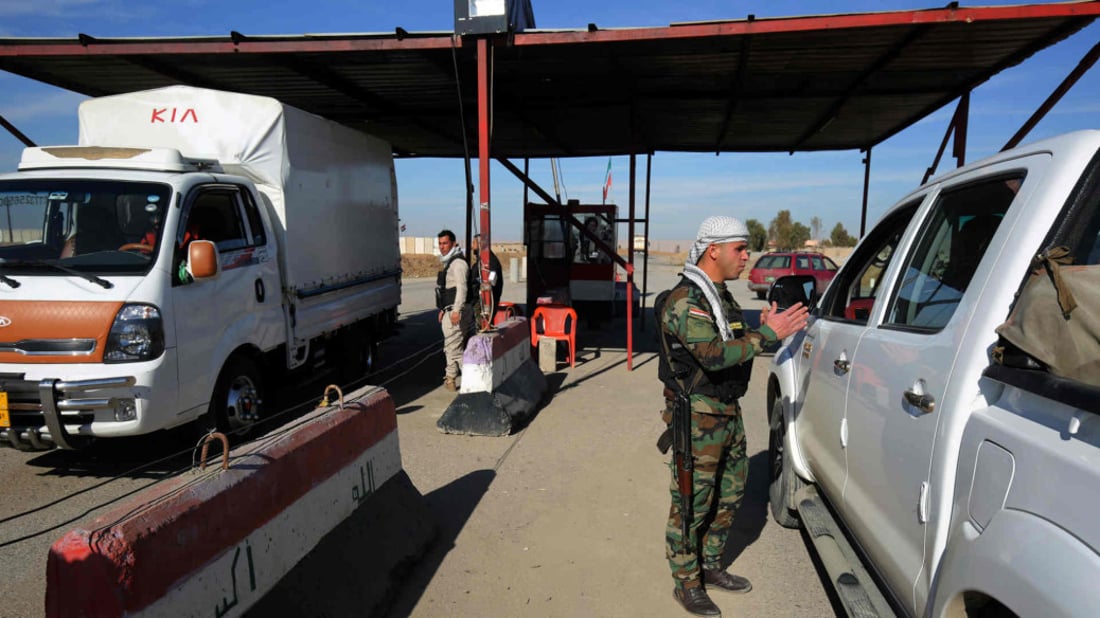
Iraq rotates nearly 1,900 border crossing staff in 48-hour overhaul
BAGHDAD — Iraq’s Border Crossings Authority said it has rotated 1,905 officers, employees and personnel across the country’s land, sea and air crossings within 48 hours, part of a government program aimed at increasing non-oil revenues and tightening oversight at border points.
The authority said the changes followed directives from Prime Minister Ali al-Zaidi, who last week ordered all crossing staff rotated “without exception” within 48 hours. It said it had redistributed its entire workforce among crossings nationwide and would monitor whether other ministries and agencies operating at the crossings met the same deadline.
The authority also said it had begun transferring sonar scanning equipment to the General Customs Authority, a move intended to let customs officials, who receive the revenue the scanners generate, maintain and operate the equipment directly. As part of the reorganization, staffing was increased at the recently established Rabia, Al-Waleed and Mosul International Airport crossings, while border detachments at checkpoints in the Kurdistan Region were withdrawn after approval by the commander-in-chief, with those checkpoints handed to the National Security Service.
The measures build on orders al-Zaidi issued June 19 to rotate all crossing employees, return Interior Ministry personnel assigned to the Border Crossings Authority, close unofficial land and maritime routes, strengthen intelligence coordination and require inspection of all incoming cargo before trucks pass. The overhaul came a day after Baghdad and Erbil signed a final agreement to implement the ASYCUDA customs automation system and a unified agricultural calendar. Finance Minister Falih al-Sari has said the reforms are designed to increase non-oil revenues, strengthen oversight of goods movement and reduce customs evasion.