
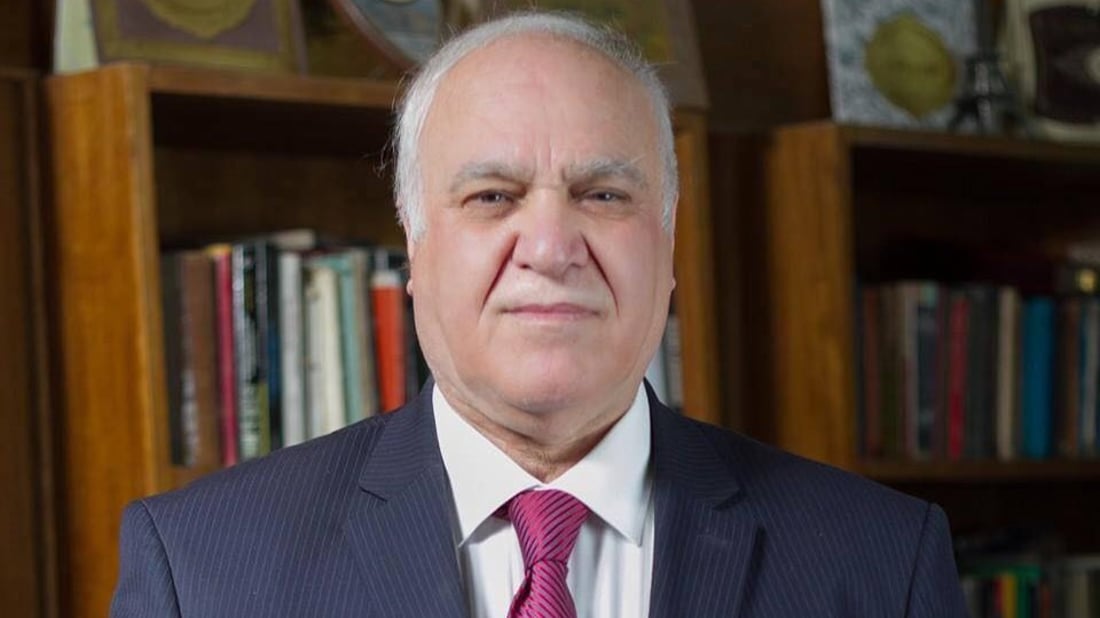
Mazhar Mohammed Salih, the Iraqi prime minister's financial advisor.
Media Monitor
Adviser to PM lays out plan to boost local revenue as oil reliance persists
BAGHDAD — Financial adviser to the prime minister Mazhar Mohammed Saleh said Sunday that Iraq’s strategy to maximize local revenues aims to improve collection, expand funding sources and reduce financial losses, as the country remains heavily oil-dependent.
He said achieving those goals requires updating real estate databases, reassessing property tax bases under approved legal standards, moving property-fee collection onto electronic systems, digitizing collection and linking service departments to electronic payment. Those measures, he told the state-run Iraqi News Agency, would strengthen transparency, reduce tax evasion and ease payment for citizens.
Iraq remains heavily dependent on oil exports, which account for more than 90% of federal government revenues and the bulk of export earnings, leaving public finances highly exposed to swings in global oil prices and regional conflict.
Saleh stressed the importance of collecting municipal service fees, including charges for waste collection, sewage, building permits and other licenses, alongside enforcing measures against construction violations. He said provincial governments should raise returns from public assets by investing unused land and properties and adopting “competitive and transparent” leasing procedures, adding that “partnership with the private sector is a key pillar in developing local revenues,” particularly in managing public parking, central markets, slaughterhouses and other services.
He also said a unified window for licensing would help attract domestic and foreign investment and raise revenue from fees and economic activity.
Saleh said sovereign revenues, including oil income and major federal taxes, remain federal resources allocated to governorates under legal criteria such as poverty indicators. The strategy’s success, he said, “depends on three main pillars: digitizing collection and revenue administration, updating databases and revenue bases, and reforming the management and investment of public funds and assets.”
The push comes as government spokesman Haider al-Aboudi said in late May that al-Zaidi is overseeing a committee tasked with cutting Iraq’s reliance on oil from 90% of the state budget to 45% over the next 10 years. Successive Iraqi governments have pledged for nearly two decades to diversify away from oil with little durable progress, and no administration has come close to halving that dependence.
Iraq’s finances were hit hard by this year’s war between Iran and U.S.-Israeli forces. Oil production fell sharply after the closure of the Strait of Hormuz cut southern export routes, with exports dropping from nearly 100 million barrels in February to 18.6 million in March and revenues falling from more than $6.8 billion to about $1.95 billion. Because oil accounts for most state income, the disruption quickly translated into pressure on public finances.