
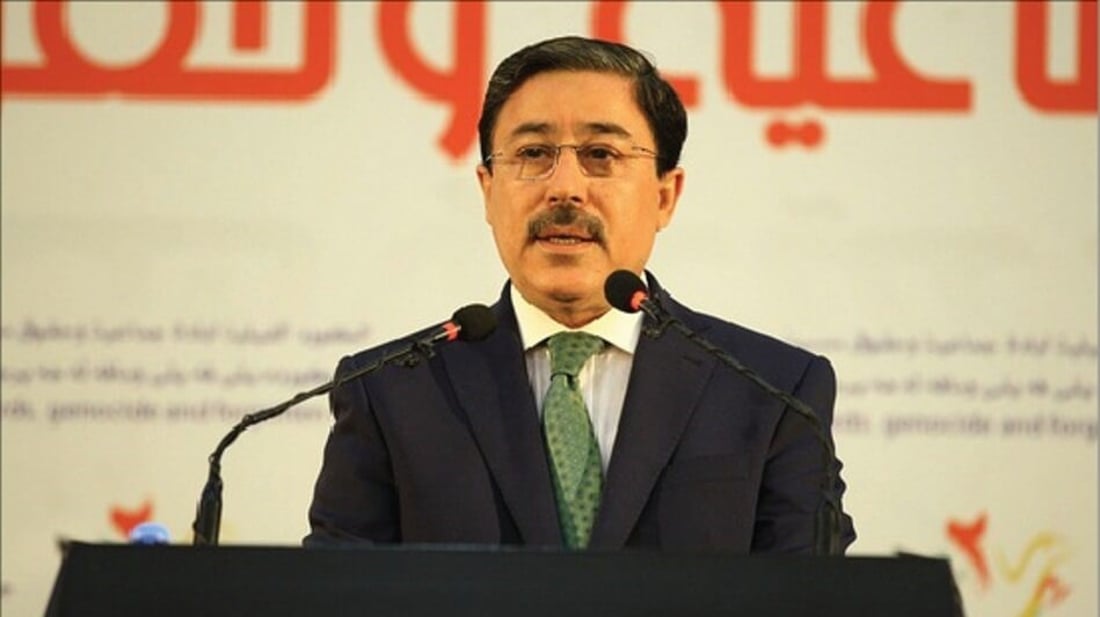
Iraqi Central Bank Governor Ali al-Allaq
Central Bank governor warns of chronic deficit, says Iraq may need foreign loans
BAGHDAD — Iraq’s Central Bank Governor Ali al-Allaq warned Thursday that the country’s budget deficit had become “real and chronic,” reflecting structural dependence on oil revenues, and said Iraq may need to seek external borrowing after state banks reached their lending limits.
“The deficit in the past was a numerical deficit and the budget would end without a real deficit, but now the situation has changed and there is an actual deficit,” Allaq told state newspaper Al-Sabah. He said the danger lay in the deficit becoming “chronic and structural,” meaning state revenues were effectively confined to the oil sector.
Allaq said domestic debt had become concentrated in state banks and the Central Bank, and that “the lending capacity of government banks has reached high limits,” pointing to external borrowing as a potential recourse. He noted that IMF loans come with “conditions and structural reforms,” and said countries typically resort to foreign loans when domestic resources cannot finance development needs or cover deficits from falling revenues.
The governor said weak coordination between monetary and fiscal authorities risked “economic imbalances affecting monetary stability, the exchange rate and inflation levels,” and called for better integration between the two sides. He said the Central Bank had previously proposed a “program budget” model to improve spending efficiency but the proposal had not been implemented.
Allaq denied any intention to change the dinar exchange rate, saying current policy focused on maintaining stability and “enhancing confidence in the national economy.” He also dismissed concerns over the government’s ability to meet payroll obligations. “The salaries are secured for the foreseeable future,” he said.
The comments follow a warning Wednesday from financial expert Mahmoud Dagher that Iraq was facing its worst financial crisis since 2003, with monthly oil revenues below $1 billion against a monthly requirement of more than $6 billion to cover salaries and pensions. Dagher said the government’s remaining option was creating new dinars through Central Bank lending to the Finance Ministry, a move he warned could raise domestic debt to as much as 140 trillion dinars ($91.5 billion).