
Anbar officials back KAR Group’s Khliesiea gas exploration
ANBAR — Officials in Anbar have voiced support for the development of the Khliesiea gas block by KAR Group, saying the project could boost energy production, employment and economic activity in the governorate.
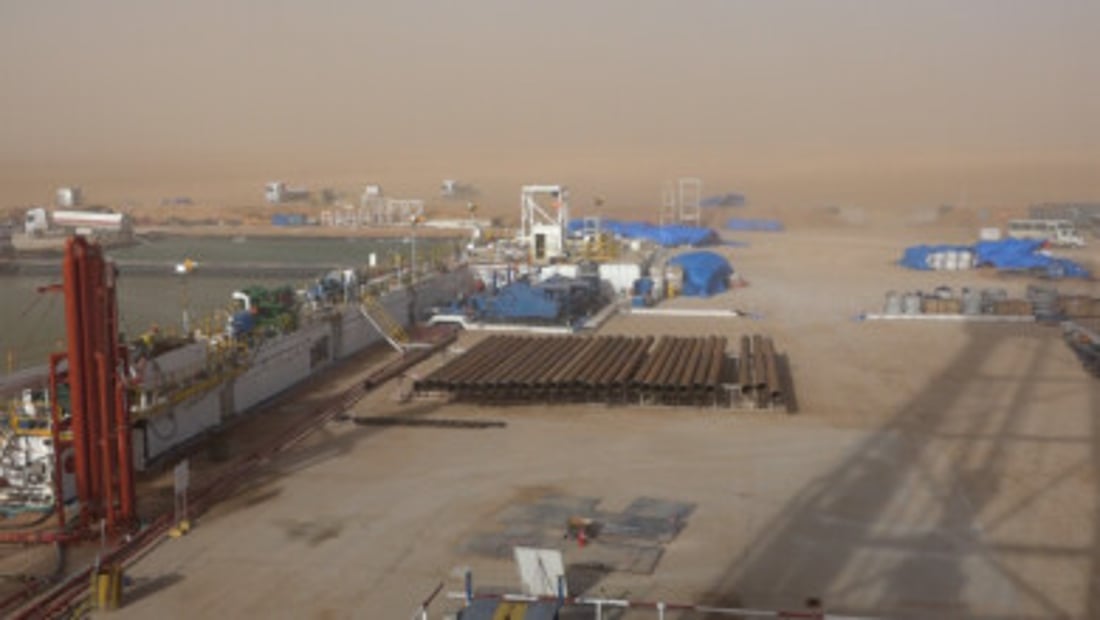
The block, spread across Anbar and Nineveh governorates, is being developed by KAR under an exploration and production contract signed in February 2025 with a state-owned oil company. According to the operator, the project is at the exploration stage: environmental assessment, demining and geological surveys were carried out across the block in 2025, with seismic surveys and further mine clearance running through 2025 and 2026.
Deputy Governor Yasser al-Muhanna said provincial authorities were facilitating the launch. “We are providing all forms of assistance to facilitate work on this project, and it is expected that operations will begin in the coming days after completing the final contracting procedures with the Ministry of Oil,” he told 964media. “There is full mobilization across all sectors in the governorate to provide assistance to these companies in completing their procedures and work, and all of this serves the interests of the governorate and the country in general.”
Saad al-Mohammadi, a member of the Anbar Provincial Council, said the block spans more than 8,000 square kilometers, 60% in Anbar and 40% in Nineveh. “KAR Group initially won the exploration of one well, and within six months to a year it will begin exploring several wells in this area because the region is rich in gas,” he said. “This will contribute to reducing imports and supporting domestic production, especially in the areas of electricity and natural gas.”
Moayad al-Dulaimi, spokesman for the provincial government, called it the governorate’s largest energy investment. “KAR won this investment contract as part of the sixth licensing round announced by the Iraqi Ministry of Oil,” he said. “It is expected that the project will provide significant job opportunities for the governorate’s residents, and perhaps for citizens from other governorates as well. It will also contribute to strengthening partnerships with the private sector and local small and medium-sized companies.”
Abdulaziz al-Jassim, a historian at the University of Anbar, said the project could uncover archaeological remains from civilizations that predate Islam. “This field will contribute to establishing industrial villages that cover vast areas of Anbar’s desert,” he said, adding that the development could provide around 3,000 jobs and help secure remote areas. He called on Anbar’s antiquities inspectorate to help identify and document the area’s heritage.