
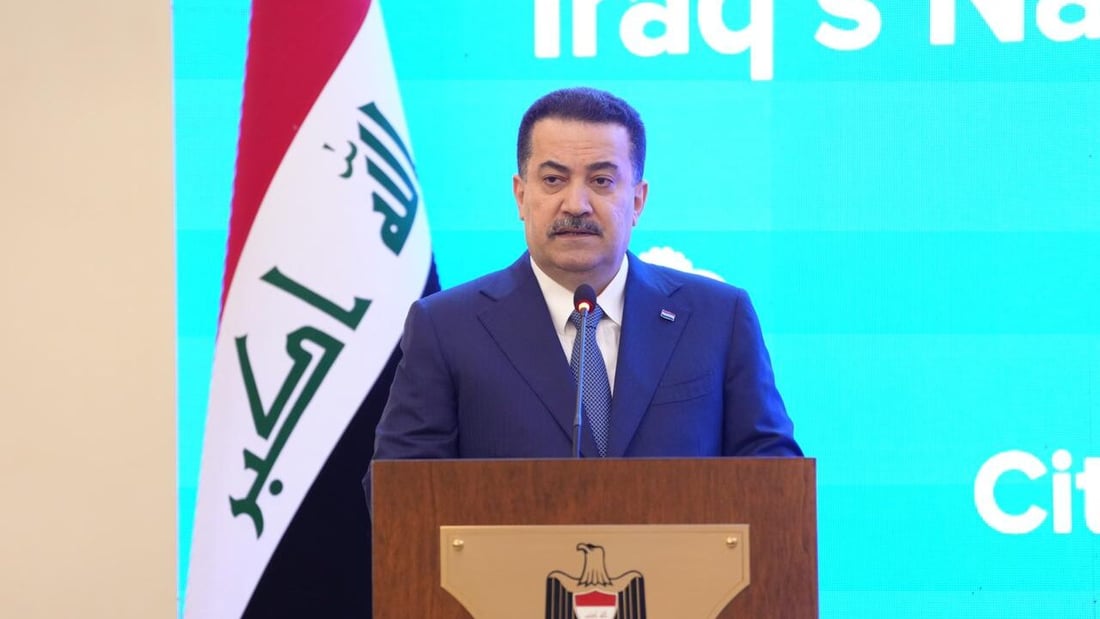
(Photo: Al-Sudani's media office)
Fall of Baghdad
Sudani marks April 9 as end of oppression and birth of new Iraq
BAGHDAD — Prime Minister Mohammed Shia al-Sudani marked the 22nd anniversary of the fall of Baghdad on Thursday, describing April 9, 2003 as the day “an era of oppression, killing, repression of freedoms, and violation of sanctities came to an end” and Iraqis “regained their freedom and their homeland.”
Sudani said Iraq transformed after 2003 from “an isolated state governed by authoritarian and centralized rule” into a system where citizens participate in governance under a constitution, and reaffirmed commitment to “safeguarding the achievements attained by Iraqis through their sacrifices.”
U.S. troops entered central Baghdad on April 9, 2003, with images of Saddam Hussein’s statue being toppled becoming one of the defining symbols of the day, effectively ending Baath Party rule. The party, which had governed Iraq since 1968, remains banned under Iraqi law and is associated with widespread human rights violations including genocide against the Kurdish population and the suppression of political dissent.