
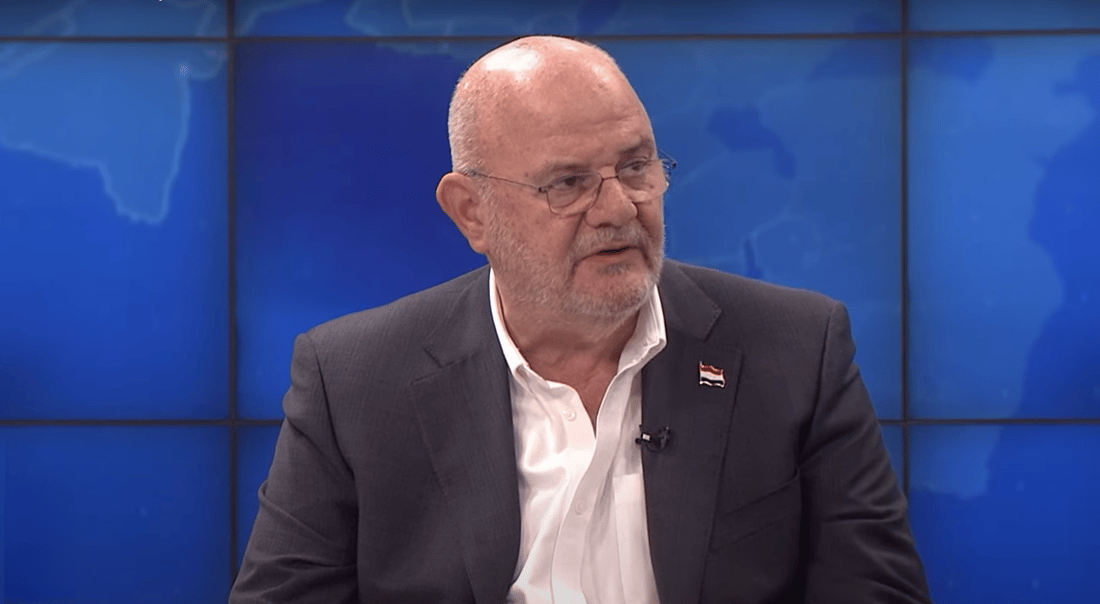
Mohammed Al-Najjar, investment adviser to PM Al-Sudani
Media Monitor
PM adviser: US tariffs a ‘challenge’ that can be turned into ‘opportunity’
BAGHDAD — Mohammed Al-Najjar, investment adviser to Prime Minister Mohammed Shia Al-Sudani, said Sunday that the customs duties imposed by the United States on Iraq present a strategic challenge that could be turned into an “opportunity” to strengthen Iraq’s economy.
Speaking to the Iraqi News Agency, Al-Najjar said Iraq exports oil, and it is not included in the tariffs, noting that the impact of the new duties remains limited for now due to Iraq’s oil-dominated exports to the U.S. He stressed the importance of preparing for future export diversification.
The United States recently imposed a 30% tariff on imports from Iraq as part of a broader measure targeting several countries, including Algeria, Libya, and Sri Lanka, with rates ranging from 20% to 50%.
Iraq’s Ministry of Trade previously stated that these tariffs are not expected to directly impact the country’s oil exports but warned of potential indirect effects on global energy markets and national revenues.
Al-Najjar’s statement to Iraqi News Agency:
The customs duties imposed by the United States on Iraqi products can be transformed from a challenge into a genuine opportunity to support the national economy and enhance mutual cooperation.
The new tariffs do not currently have a direct impact on the volume of trade between Iraq and the United States, as Iraqi exports to the U.S. mainly consist of oil, which is not subject to such duties.
If Iraq diversifies its exports in the future, the impact would be more significant, making it necessary to use this step to strengthen economic dialogue between the two countries.
These developments represent an opportunity to activate the economic provisions of the U.S.-Iraq Strategic Framework Agreement, which have not yet been implemented due to limited awareness among American producers about the Iraqi market, especially when compared to markets in Asia, Latin America, and Europe. Additional challenges for Iraqi importers include high transportation costs, difficulties in obtaining visas, and weak direct transport links.
These developments are seen as an important opportunity to strengthen the national economy and open broader avenues for cooperation and partnership between Iraq and the United States, serving the interests of both sides.