
Islamic Resistance in Iraq Claims Five Missile and Drone Strikes on Israeli Targets, Despite Sudani’s Warnings
Warns of more strikes
Islamic Resistance in Iraq claims missile and drone attacks on Israel
BAGHDAD – The Islamic Resistance in Iraq, a coalition of pro-Iranian armed groups, announced on Tuesday that they had launched five separate attacks on Israel. This comes despite warnings from Iraq’s Prime Minister, Mohammed Shia Al-Sudani, about the potential for severe regional and global consequences due to escalating tensions.
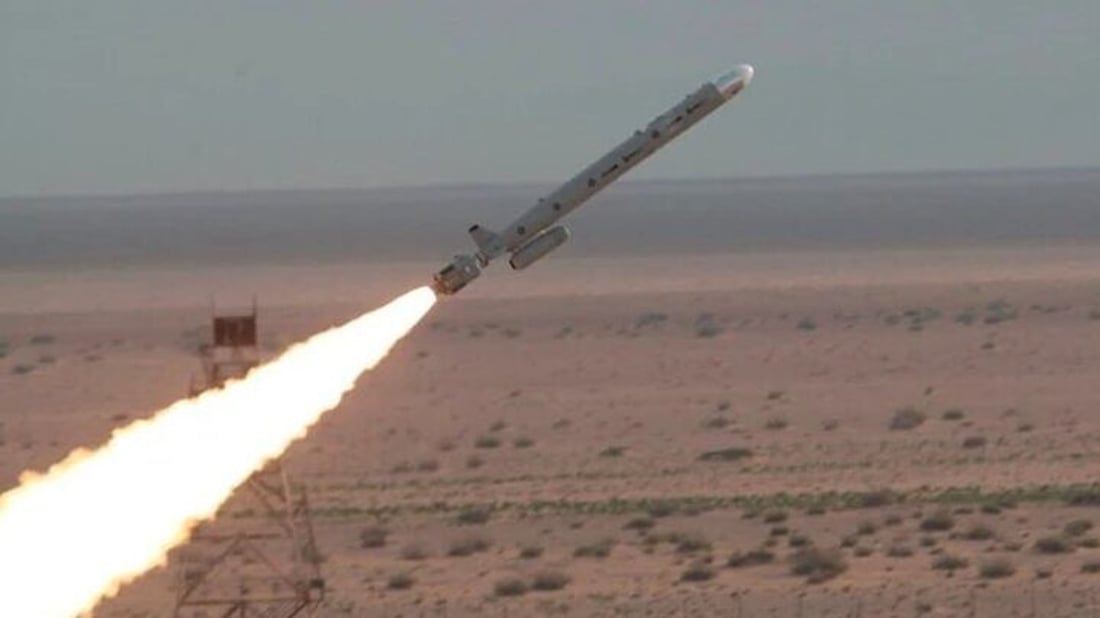
In a statement, the Islamic Resistance in Iraq reiterated its support for Palestinians and Lebanese civilians, declaring, “Fighters from the Islamic Resistance in Iraq carried out five separate operations today, targeting five locations in central and northern occupied territories using developed Arqab Cruise missiles and drones.”
The Arqab missile, identified by the U.S. Defense Intelligence Agency as a Paveh-type cruise missile, is similar to the missiles used by the Iran-backed Houthis in Yemen, referred to as the Quds missile.
The group also signaled an intent to intensify its operations, warning of future attacks. “The Islamic Resistance confirms that the operations will continue, striking enemy bases with increasing intensity,” the statement said.
The Islamic Resistance in Iraq encompasses various Shiite militias that have emerged in recent decades, many of which are aligned with Iran and are part of the broader “Axis of Resistance” that includes Hezbollah in Lebanon and other militias across the Middle East. The group claimed responsibility for drone strikes on Israeli targets earlier this week, including attacks in the Golan Heights and Tiberias, which reportedly resulted in the deaths of two Israeli soldiers and injuries to 24 others.
These attacks raise the possibility of Israeli retaliation, potentially targeting the militias within Iraqi territory, as the strikes were launched from Iraq.
At the government level, Prime Minister Al-Sudani and top officials have warned against Iraq’s involvement in a broader regional war. On Oct. 6, Al-Sudani urged the international community, including U.S. President Joe Biden and the European Union, to intervene swiftly to prevent further escalation, which could have dire consequences for the region. “Our government has worked hard to shield Iraq from the effects of this escalation,” Al-Sudani stated.
Iraqi National Security Advisor Qasim Al-Araji also distanced the government from recent statements made by Abu Ali Al-Askari, a spokesperson for Kata’ib Hezbollah, a militia group associated with Iraq’s Islamic resistance. Al-Araji emphasized that Al-Askari’s calls for an “energy war” against Israel and the U.S. reflect personal views, not the official stance of the Iraqi government. On the same day, government spokesperson Basim Al-Awadi reaffirmed Iraq’s commitment to non-military solutions.