
Revenue collapse
Iraq needs a 10 trillion dinar borrowing law to pay salaries, analyst says
BAGHDAD — Iraq will need a borrowing law worth 10 trillion dinars (about $7.6 billion at the official rate) to pay public-sector salaries through the rest of 2026, financial analyst Mustafa Hantoush said, putting the monthly financing gap at roughly 4.5 trillion dinars.
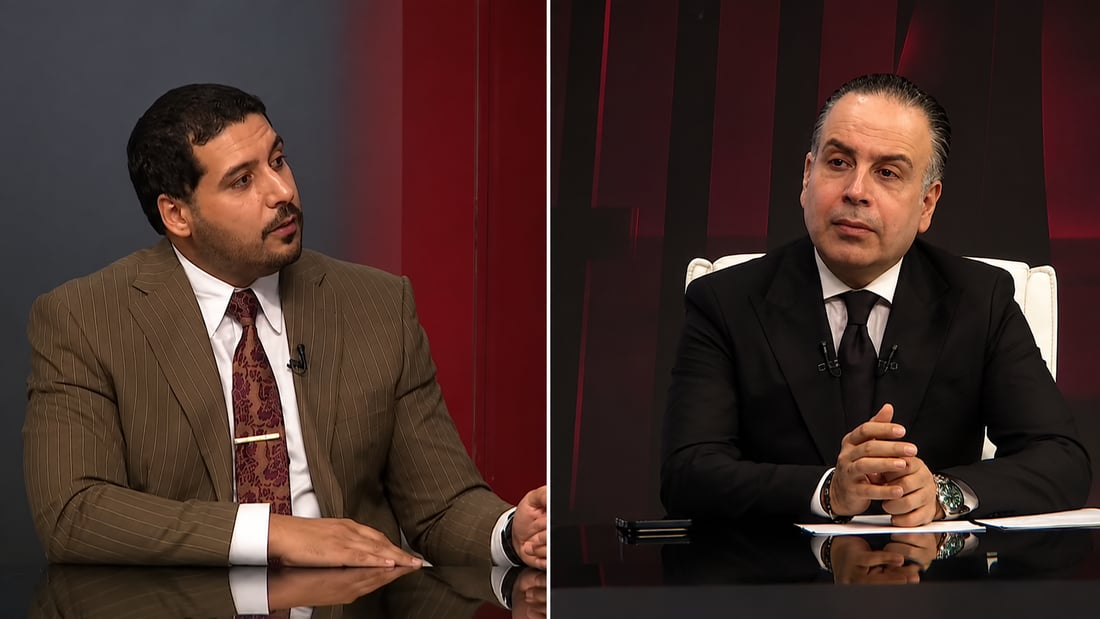
Hantoush told Dijlah TV the government needs 7.5 trillion to 8 trillion dinars a month for salaries against domestic revenue of 2.5 trillion to 3.5 trillion, alongside sharply reduced oil income. “The government will be required to move toward a borrowing law worth 10 trillion dinars to guarantee the payment of salaries for the final months of the year,” he said, covering the accumulated shortfall so Iraq can finish the year with salaries paid.
He proposed raising 65% domestically and 35% abroad, to limit pressure on local liquidity. On his own figures, 10 trillion dinars would cover a little over two months of the gap.
Hantoush said the Central Bank could bridge the shortfall from reserves and hold the exchange rate for two or three months — August through October — before further borrowing or support became necessary. “The Central Bank can support the financial gap through the reserves and cover salaries at the current exchange rate for two or three months,” he said, warning it might not sustain the rate afterward without another mechanism.
He said monthly oil revenue fell from $6.9 billion in February to $2 billion in March and about $1.3 billion in each of the three months after that, a decline of roughly 80%. Iraq’s crude exports pass mainly through southern terminals near Basra and the Strait of Hormuz, where shipping has been disrupted since the war between Iran and the United States and Israel. He said the position required strict fiscal discipline, limiting payments to essential and legally binding spending.
The government confirmed last week that Iraq is in a financial crisis and that salary payments will be delayed. Spokesperson Haider al-Aboudi said they would no longer follow their previous schedule. Estimates of the monthly salary bill vary widely: Health Minister Abdul Hussein al-Mousawi put it at 10.8 trillion dinars and a member of parliament’s Finance Committee at 7.8 trillion, while Finance Ministry accounts for the first four months of the year show civil servant wages running at about 5 trillion dinars a month.
Oil Ministry figures show Iraq exported 32.1 million barrels of crude and condensates in May and June for about $2.34 billion, roughly $1.17 billion a month. Oil typically provides more than 90% of federal revenue. Iraq and Turkey signed a one-year agreement Saturday setting a minimum of 750,000 barrels a day through the pipeline to Ceyhan.
Mousawi also said the state drug importer Kimadia received barely 15% of its allocated funding in June, prompting suppliers to suspend deliveries under existing contracts.