
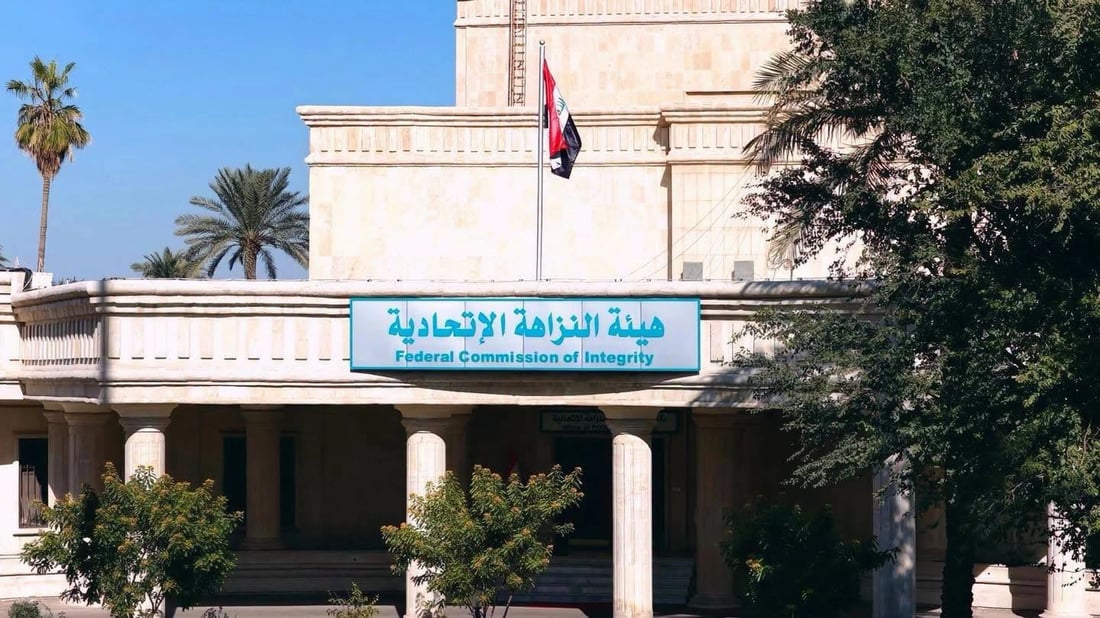
Iraq probes pay for 3,150 Kirkuk pipeline guards reported absent from posts
BAGHDAD — Iraq’s Federal Commission of Integrity on Thursday sent two teams to investigate money paid to 3,150 civilian guards hired to protect the North Oil Company’s pipelines in Kirkuk, saying there was information that the guards are not actually there.
The second team will examine whether the Ministry of Industry and Minerals acted lawfully when it licensed every oxidation, refining and asphalt plant. The licenses were granted by the ministry’s industrial development directorate in Baghdad, the commission said in a statement sent to 964media.
The first team is looking into payments to the guards assigned to the state-owned company’s pipelines, “in light of information indicating that they are not present on the ground,” the statement said. The commission did not say how much the guards had been paid, over what period or who had hired them.
Both teams were formed on the recommendations of the committee set up by the office of the commander-in-chief of the armed forces to investigate oil smuggling from the North Oil Company out of Iraq. The commission’s leadership told the teams to finish their work as quickly as possible and send the results to the judiciary so that legal action can be taken against those responsible, the statement said.
The North Oil Company is the Kirkuk-based state company that runs oil fields across northern Iraq. On Tuesday, after reviewing the committee’s report, Prime Minister Ali al-Zaidi suspended the company’s director general and his deputies pending a commission investigation and ordered Baghdad to take over the Kurdistan Region’s border crossings. His orders also suspended the Industry Ministry’s director general of industrial development and told investigators to examine payments to the pipeline guards, after the inquiry found that some were not at their posts.
The same orders gave the Industry Ministry six months to move oxidized asphalt and naphtha plants outside federal security control in Diyala, Salah al-Din, Kirkuk and Nineveh governorates to sites in the same governorates where federal forces are in control. A day later, the state fuel distributor said factories in the Region whose petroleum product supplies it had halted would get their quotas back once the industrial development directorate confirmed they held valid licenses and were still operating.