
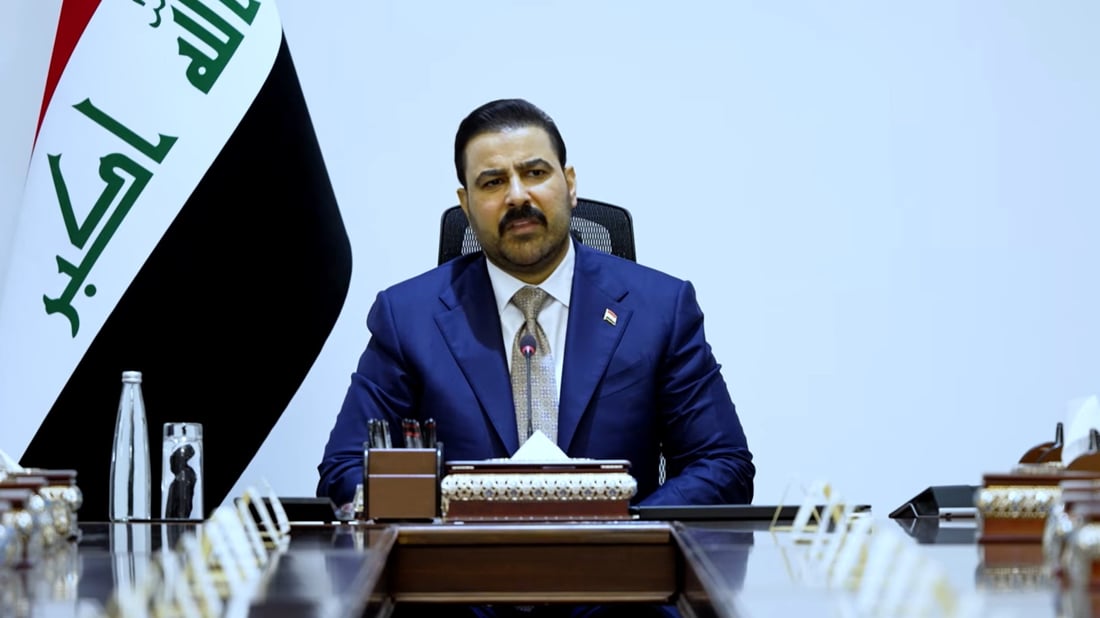
Iraqi Prime Minister Ali al-Zaidi chairs a meeting of independent state institutions in Baghdad on Oct. 21, 2026.
Public oaths urged
Iraq PM says era of officials taking office to loot state is over
BAGHDAD — Iraqi Prime Minister Ali al-Zaidi said Wednesday that the era of officials taking government positions to plunder state resources was over, calling on leaders of independent institutions to take public oaths to help restore citizens’ trust in government.
Speaking at the first meeting of Iraq’s independent bodies, al-Zaidi said the prime minister, deputy prime ministers and ministers had taken their oaths Tuesday and urged heads of independent institutions to follow suit before their directors general.
“The old model of an official taking a position in the state to loot it while citizens suffer from hunger and a lack of services is over and no longer acceptable,” al-Zaidi said, according to the Iraqi News Agency.
Addressing deteriorating public confidence in government institutions, he said, “Citizens have come to view officials as walking masses of corruption,” calling for a change in that perception through conduct and performance.
Al-Zaidi estimated that corrupt officials and public employees might account for no more than 1% or 2% of the workforce, but said their actions had damaged the reputation of the remaining 98%. He provided no evidence supporting the estimate.
The remarks come as al-Zaidi’s government continues an anti-corruption campaign launched in June, when security forces conducted coordinated raids in Baghdad’s Green Zone targeting current and former officials suspected of corruption. The operation, known as Dawn Strike, followed an investigation into former Deputy Oil Minister Adnan al-Jumaili over alleged financial irregularities in the oil sector.
Since the June 28 anti-corruption crackdown, Iraqi state media have reported the arrest of 47 lawmakers and officials. Courts have subsequently sentenced lawmakers Bahaa al-Nouri, Alia Nassif, Ashwaq Salim and Mohammed Farman al-Jubouri to seven years each for illicit enrichment, while former lawmaker Talal al-Zobaie and Deputy Oil Minister Ali Maarij al-Bahadli received similar sentences. More recently, Deputy Industry Minister Nasser Kadhim Jabr was arrested on suspicion of accepting a bribe, while Azm Alliance leader and lawmaker Muthanna al-Samarrai remains on trial over corruption allegations, with his next hearing scheduled for Oct. 29.
The investigation subsequently led to the seizure of 127 billion Iraqi dinars and $24 million in cash, along with property, vehicles and jewelry, according to the Supreme Judicial Council. Al-Zaidi has described the campaign as the first phase of a broader effort to recover misappropriated public funds.
Al-Zaidi urged heads of independent bodies to document their oath-taking ceremonies and publish them through the media. He also said he would instruct governorate governors to adopt similar measures.
At Wednesday’s meeting, the council also approved measures requiring independent institutions to comply with the Integrity Commission’s code of conduct and ensure officials submit financial disclosures within legal deadlines. Other decisions included introducing a unified electronic system for property registration records and strengthening procedures to recover Iraqi funds transferred abroad.
Al-Zaidi had previously submitted his own financial disclosure to the Federal Commission of Integrity on May 21, becoming the first member of his cabinet to comply with the requirements, according to his office. In August, he also ordered expanded audits of governorate projects and financial rewards for people reporting corruption, alongside tighter oversight of government contracts and border crossings.
The prime minister said public oaths could help officials resist improper requests from relatives, friends or others by reinforcing their professional obligations.
“If I am the one who initiates something improper, it is your duty to stop me and tell me that you will not accept it,” al-Zaidi said.
He described the oath as an ethical and religious commitment, saying those who violated it would ultimately answer before God.
Al-Zaidi said the initiative was intended to demonstrate officials’ commitment to public service and rebuilding trust between citizens and state institutions.