
Anbar
In Hit, unripe ‘chaqeel’ fruit earns farmers a vital early profit
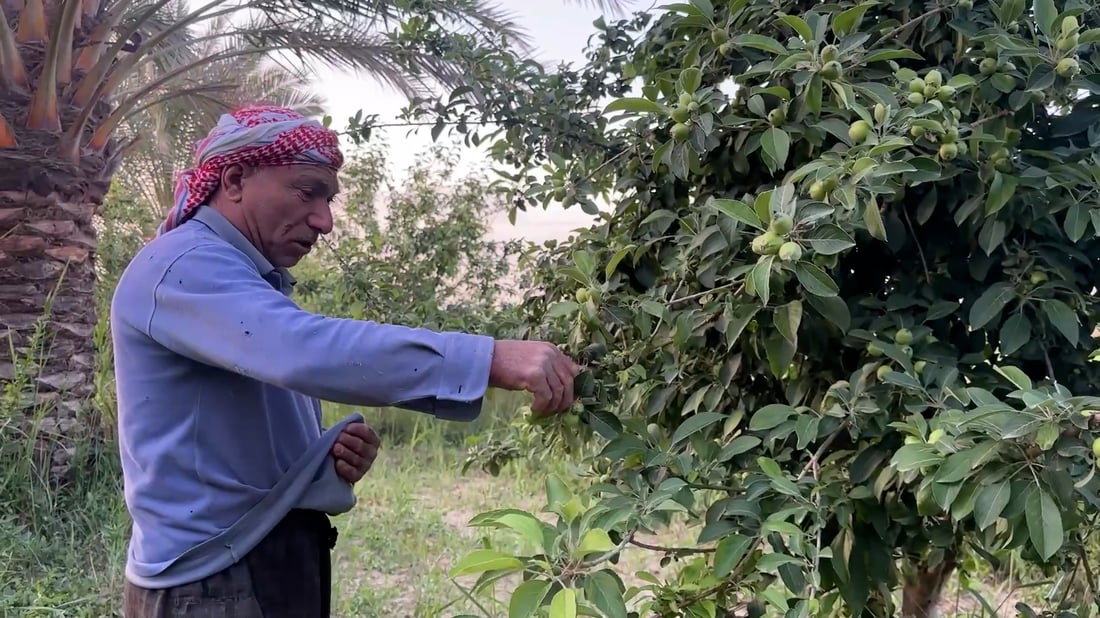
HIT — In Anbar governorate, orchardists have long relied on an early harvest of small, sour apples and apricots known locally as “chaqeel” to offset farming costs, selling the unripe fruit ahead of the regular season at premium prices to consumers eager for an early taste.
“When the fruit is small and sour or has bitterness, it is called ‘chaqeel’ in Anbar, whether it is apples or apricots,” local farmer Adwan Banan told 964media. “We harvest chaqeel from the beginning of March until May, while in June, the picking of apples and apricots as ripe fruit begins.” Apricot chaqeel is more sour and bitter, he noted, while apple chaqeel carries a slightly sweet taste.
Early-season chaqeel sells for 3,000 to 4,000 dinars ($1.96 to $2.61) per kilogram, dropping to around 2,500 dinars ($1.63) as production rises later in the season. “The early season prices help us achieve profits and compensate for fertilizer costs and farming labor,” Banan said.
Banan previously owned around 500 trees producing tons of chaqeel before being displaced in 2014. On returning, he found most trees dead and began replanting. Production remains lower while the trees are still young, but he said the quality and taste surpass fruit from Mahmoudiya and Diyala.
Not all farmers target the early market. “I prefer harvesting apples and apricots after ripening, but chaqeel achieves greater financial benefit, and sometimes it falls due to wind and rain, so I collect it and sell it in the market,” said Fadhil Ismail, another local farmer. “Hit’s fruit is distinct because of the nature of the land and climate. Apricot and apple trees need sun and water, and their cultivation takes place in January.”
Local agricultural authorities are supporting the season with new pest control measures. Atheer Hamoudi, director of the Hit Agricultural Division, told 964media the division had distributed Oxymatrine pesticide to registered farmers as part of a campaign against peach and fruit flies. “We equipped them with traps along with baits and insect-attracting pheromones, which is one of the clean and environmentally safe control methods being used for the first time in Hit,” he said. Higher production than last season is expected as a result.