
Initial Results Indicate Ruling Parties Maintaining Majority in Kurdistan Parliamentary Election, Opposition Gains Ground
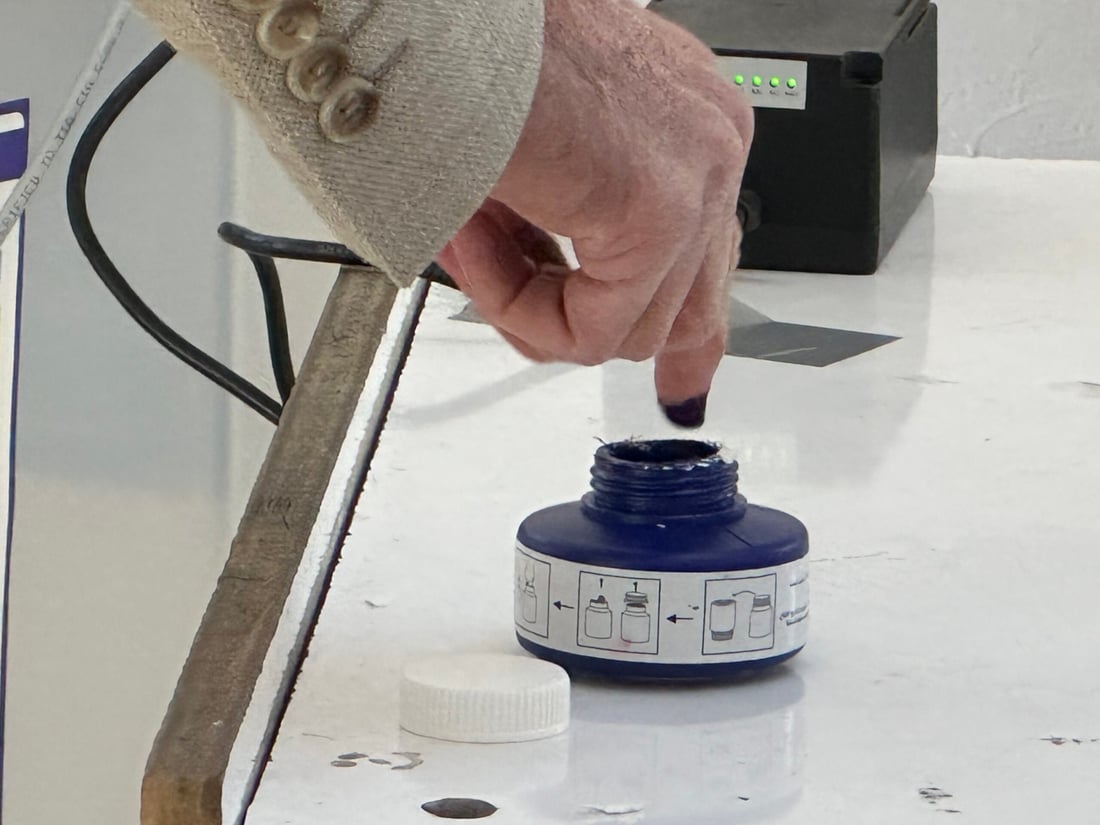
Iconic symbol of vote phased out
Iraqi electoral commission defends decision to drop indelible ink
BAGHDAD — Iraq’s Independent High Electoral Commission has defended its decision to eliminate the use of indelible ink in the upcoming parliamentary elections, citing exclusive reliance on biometric voter cards and enhanced electronic verification systems.
“The presence of election ink was a measure to reduce repeat voting in previous elections,” said Mohanad Al-Sarraf, a member of the commission’s media team, in comments to the state newspaper. “But as the commission seeks to introduce modern technology and electronic procedures to develop its technical processes for the upcoming election, the ink is no longer necessary.”
The Nov. 11 vote will mark the first national election since 2005 to forgo the ink, a longtime visual safeguard against voter fraud. Instead, all voter authentication will rely on biometric registration and upgraded electronic devices equipped with cameras and fingerprint scanning technology.
Al-Sarraf said the new system features “triple fingerprint matching and the addition of real-time biometric photographs” to confirm voter identity. “All of these procedures are sufficient to prevent repeat voting,” he added.
The biometric voter card will be the only acceptable form of identification at polling stations, and election workers will verify each voter using real-time digital checks.
Al-Sarraf also addressed political parties, candidates, and domestic and international observers, saying the commission had made “detailed updates to the voting systems” and would continue working to ensure transparency.
From a technical and financial perspective, he said, indelible ink “no longer serves a useful purpose,” citing its high cost and the logistical burdens associated with its use. “The ink is a chemical material that cannot be reused and requires special handling, transportation, and storage,” he noted.
The commission’s decision was formally approved on July 16 and published July 21.