
Muthanna
Water and power shortages threaten agriculture, daily life in Al-Suwayr
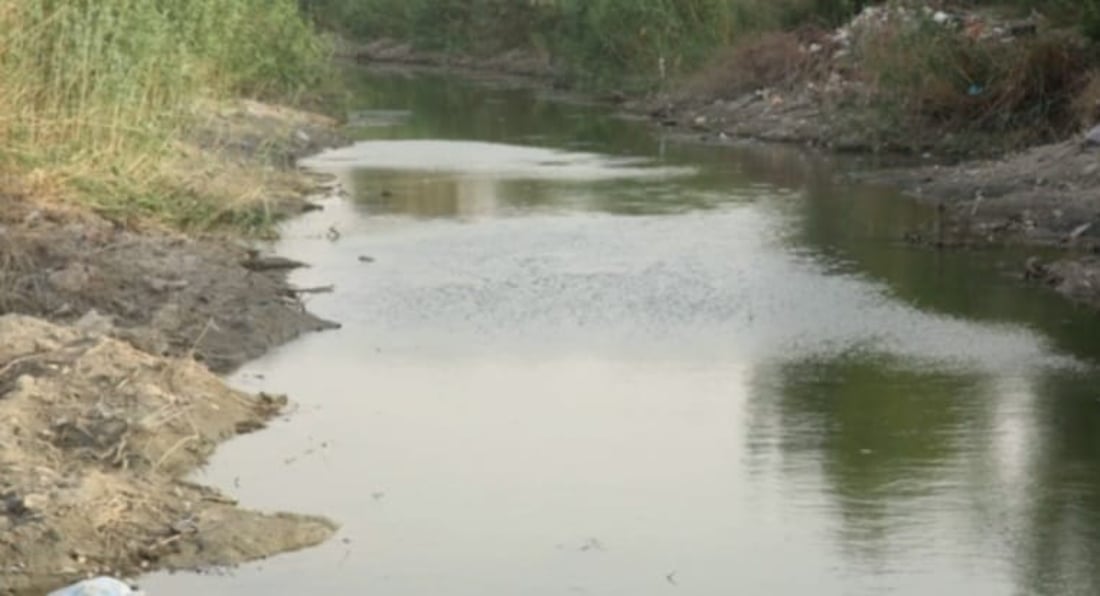
MUTHANNA — Residents in southeastern Muthanna are facing a worsening water crisis as declining levels in the Al-Atshan and Al-Suwayr rivers, compounded by power outages, have severely disrupted access to water for both households and agriculture.
The shortage is affecting communities dependent on water pumped from the Euphrates through stations in the Al-Majd district. Electricity cuts, operating on a two-hour on, two-hour off cycle, have prevented pumps from delivering water to several areas, despite the facilities themselves remaining functional.
“The pump stations have not experienced any malfunctions, but the scarcity of raw water and frequent power cuts have led to shortages,” said Imad Sukhair, technical assistant at the Muthanna Water Directorate.
In response, the directorate has begun dispatching water tankers to supply affected communities. Officials said some areas still have access to raw water, but without power, pumps cannot draw or distribute it. The governor has ordered the installation of emergency hotlines and continuous pump operation in water-scarce zones.
Residents say they now rely entirely on trucked water, with each tanker costing 7,500 Iraqi dinars—about $5—and lasting less than two days.
“If the state cannot operate the stations, we are ready to fund it ourselves,” said local resident Jassim Mohammed. “Our fields have dried up and crops like okra have perished.”
Others pointed to rising salinity levels that have rendered the Al-Suwayr River water unfit for use. “Even the okra plants are burning from the salt, and the produce is decreasing,” said farmer Jawad Kazem, adding that agriculture and livestock have been hit hard by the deteriorating water quality.
Murtadha Faleh said most residents have switched to using filtered water for drinking and washing due to the high salinity of piped supplies. “The water that reaches our homes is unusable,” he said.
The crisis comes amid one of Iraq’s most severe droughts in recent years, with widespread effects across southern governorates. In Basra, Prime Minister Mohammed Shia Al-Sudani led a visit on Wednesday to address the worsening water situation. Meanwhile, Parliament Speaker Mahmoud Al-Mashhadani announced that Turkey had agreed to increase water releases into Iraq, a move expected to partially ease shortages in the coming days.