
Lawmakers seek reversal
Dollar jumps past 170,000 dinars after Iraq devalues the dinar
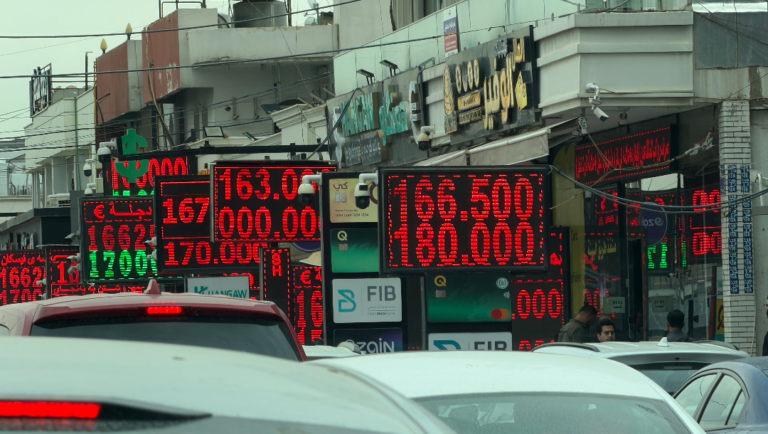
BAGHDAD — The dollar surged past 170,000 dinars per $100 on Iraq’s parallel market on Wednesday after the government raised the official exchange rate by about 15%, the first change since 2023, with prices diverging sharply between cities and lawmakers calling on parliament to force a reversal.
Exchange shops in Baghdad were selling at 170,000 dinars per $100 and buying at 168,250. In Erbil the selling price reached 180,000 against a buying price of 166,500, and in Basra it was 179,000 and 178,000. On Tuesday, Baghdad shops had been selling at 160,500.
Under a Central Bank directive in force from the start of business on Wednesday, the bank now buys dollars from the Finance Ministry at 1,500 dinars, sells them to banks at 1,510 and sets the final price to the public at 1,520, up from 1,300, 1,310 and 1,320. The cabinet approved the change on recommendations from the Finance Ministry and the Central Bank. Banks, electronic payment companies and exchange firms were told to stop using the old rates immediately and update their systems. “In light of this, all your institutions are required to adopt the above rates in their transactions and take the necessary measures to update banking and financial systems and related service delivery channels,” the Central Bank said, citing “financial, economic and monetary requirements.”
The move came a day after Sadiqoun lawmaker Safaa al-Jabiri said the finance minister had proposed a 1,500 rate in the 2027 budget but that “there is no final decision so far.”
Oil revenue, which provides more than 90% of the state’s income, arrives in dollars, so each dollar the Central Bank buys from the Finance Ministry now yields 200 more dinars for paying salaries. Revenues covered only 76% of salaries and welfare in the first seven months of the year, according to economist Nabil al-Marsoumi, and the government acknowledged a fiscal crisis in late July. Imports, priced in dollars, will cost more in dinars.
“We were surprised by the Cabinet’s decision to change and raise the dollar exchange rate against the Iraqi dinar, given its repercussions and direct impact on the Iraqi economy and market,” said lawmaker Ibtisam al-Hilali, adding that parliament would take up the rate through the budget law. “We reject this decision, and if the government wanted to address the financial crisis, the change should have been to 1,400 dinars per dollar or lower in order to control the market and prevent an impact on food prices, which directly affects citizens.” Lawmaker Miqdad al-Khafaji called for an emergency session to make the government reverse it. “At a time when political blocs are weighing down the ministries and creating new positions that burden the state budget, the increase in the government dollar exchange rate adds a new burden on the Iraqi citizen,” he said, warning that “the street, already burdened by crises, will not bear new burdens.”
The last major change came in February 2023, when the government strengthened the dinar from 1,450 to 1,300 to stabilise prices and protect purchasing power. That reversed part of a devaluation in late 2020, when the rate was raised from about 1,182 to 1,450 during the pandemic oil slump.