
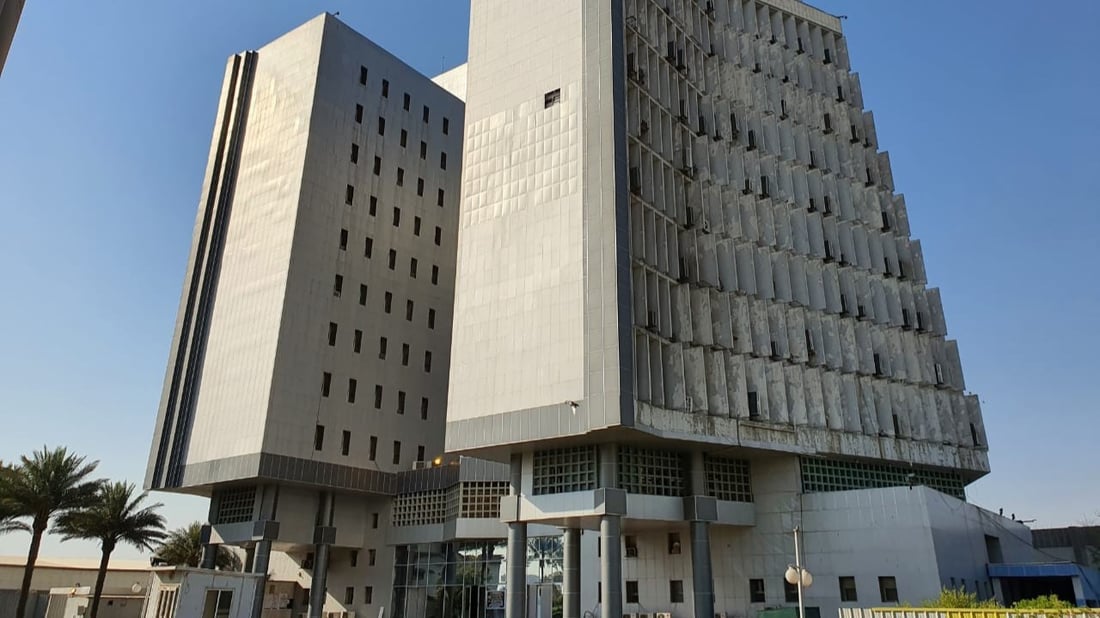
The Ministry of Finance building in Baghdad
Iraq launches first electronic tax system for large taxpayers
BAGHDAD — Iraq’s Finance Ministry launched its first electronic tax accounting system for large taxpayers on Saturday, the start of a plan to move tax procedures from paper to digital.
Finance Minister Faleh Sari oversaw the launch during a visit to the General Commission for Taxes, according to a ministry statement. The system lets taxpayers complete tax accounting procedures and make payments remotely “without the need to visit the commission’s headquarters,” the ministry said. It also stores and archives documents electronically and allows audit and compliance teams to review tax declarations.
“The launch of the electronic tax accounting system represents a practical step in modernizing tax administration and moving from paper transactions to a digital system that keeps pace with technological developments in tax collection methods,” Sari said.
He described the system as “the first phase of the digital transformation project for tax operations and the first building block for establishing a comprehensive electronic tax system.” The ministry chose large taxpayers for the initial rollout and plans to extend the system to other categories of taxpayers in later phases.
The move follows other efforts to digitize Iraq’s revenue agencies. In June, the General Commission of Customs said it had activated an electronic system to verify certificates of origin and commercial invoices issued by the Federation of Iraqi Chambers of Commerce, integrating the checks into the ASYCUDA customs platform.
The General Commission for Taxes was at the center of one of Iraq’s largest corruption cases. The tax-deposits embezzlement case, widely known in Iraq as the “Theft of the Century,” emerged publicly in 2022 and centers on the fraudulent withdrawal of tax deposits held by the commission. In May, parliament’s Integrity Committee said investigations had found embezzled funds totaling nearly 8 trillion dinars (about $6.1 billion), far exceeding the previously cited figure of $2.5 billion.