
Post-mission transition begins
Iraq orders higher security readiness after coalition withdrawal
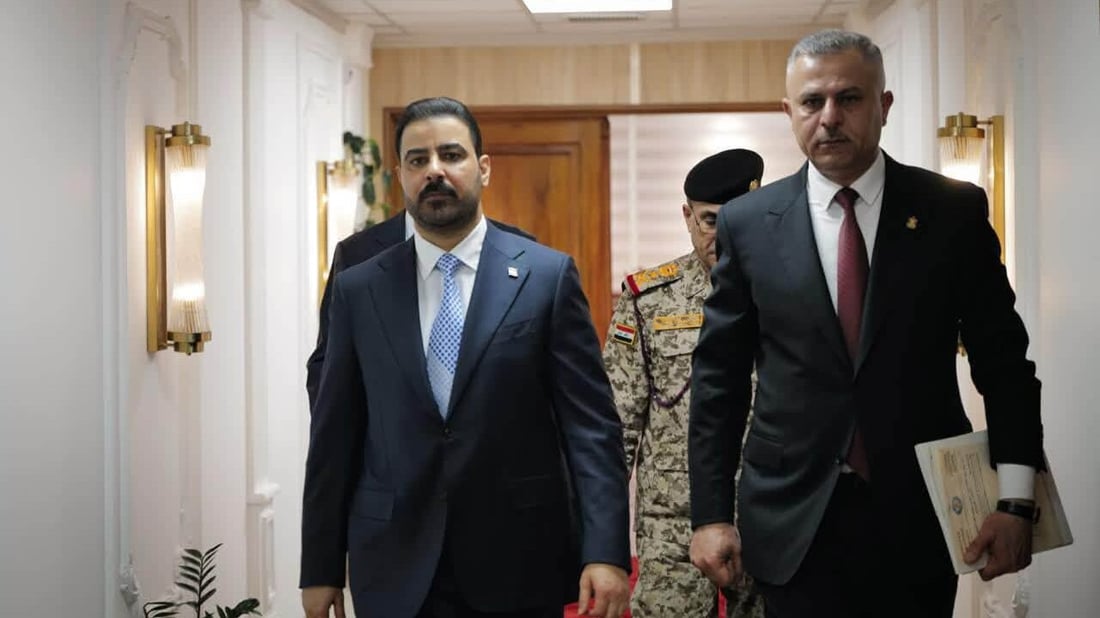
BAGHDAD — Prime Minister Ali al-Zaidi has called for higher readiness and stepped-up intelligence work across Iraq’s security forces following the end of the U.S.-led coalition’s mission, the spokesperson for the commander-in-chief of the armed forces said Friday.
Sabah al-Numan said Zaidi issued the instructions at an extraordinary meeting of the Ministerial Council for National Security.
“The commander-in-chief of the armed forces issued recommendations during the extraordinary meeting of the Ministerial Council for National Security, including protecting the security gains achieved, intensifying intelligence efforts and raising the level of readiness to preserve the notable security stability throughout the country,” Numan said.
“After 12 years of joint work to confront terrorism, the need for the international coalition forces to remain has ended, beginning a new phase of bilateral cooperation between Iraq and coalition countries on the basis of mutual respect,” he said.
Numan described National Sovereignty Day as “a major historic milestone awaited by Iraqis,” marking Iraq’s move from the coalition framework to bilateral relationships based on what he called parity and equality.
U.S. Central Command said Sept. 30 that the last U.S. and coalition personnel and equipment had left Erbil Air Base, completing the military withdrawal from Iraq. Combined Joint Task Force-Operation Inherent Resolve remains operational from Jordan, and U.S. and coalition forces elsewhere in the region remain available to respond to ISIS threats.
Zaidi formally declared the coalition mission over the same day, saying Iraq had assumed full responsibility for its security and stability and would continue counterterrorism cooperation with partner countries through new arrangements.
Security Media Cell chief Lt. Gen. Saad Maan said before the withdrawal that coalition forces had handed over all bases and headquarters to Iraqi authorities and that no coalition combat or training forces would remain after Sept. 30.
The transition has also raised questions over air defense. The Kurdistan Region’s Ministry of Peshmerga Affairs warned before the withdrawal that the region would be left without a coalition air-defense presence. Iraqi officials have said systems from South Korea, Turkey and the United States are expected, and Zaidi said Thursday the government would begin purchasing a complete air-defense system, without naming a supplier.