
Maliki says Iraq’s role in Khamenei funeral shows ‘Iran is not alone’
NAJAF — State of Law Coalition leader Nouri al-Maliki said Tuesday that Iraq’s participation in the funeral ceremony for late Iranian Supreme Leader Ali Khamenei in Najaf sent a message that “Iran is not alone” and has supporters “across the world.”
Speaking to the Iraqi News Agency, al-Maliki said Iraqis’ attendance reflected support for Khamenei. “Today’s clear Iraqi message confirms that the Islamic Republic is not alone, but has those who stand with it and support it,” Maliki said. “It is on the right path, and it has many supporters across different parts of the world.”
He said Iraq’s participation, while significant, “remains little compared to what this great man deserves,” describing Khamenei as a leader who shaped “a great future not only for the Iranian people, but for the countries of the region.”
Maliki said commemorating Khamenei was necessary because he “stood firm and confronted major powers known for their vast military capabilities,” adding that Iran’s achievements had been shown “both in political negotiations and on the fronts of confrontation.”
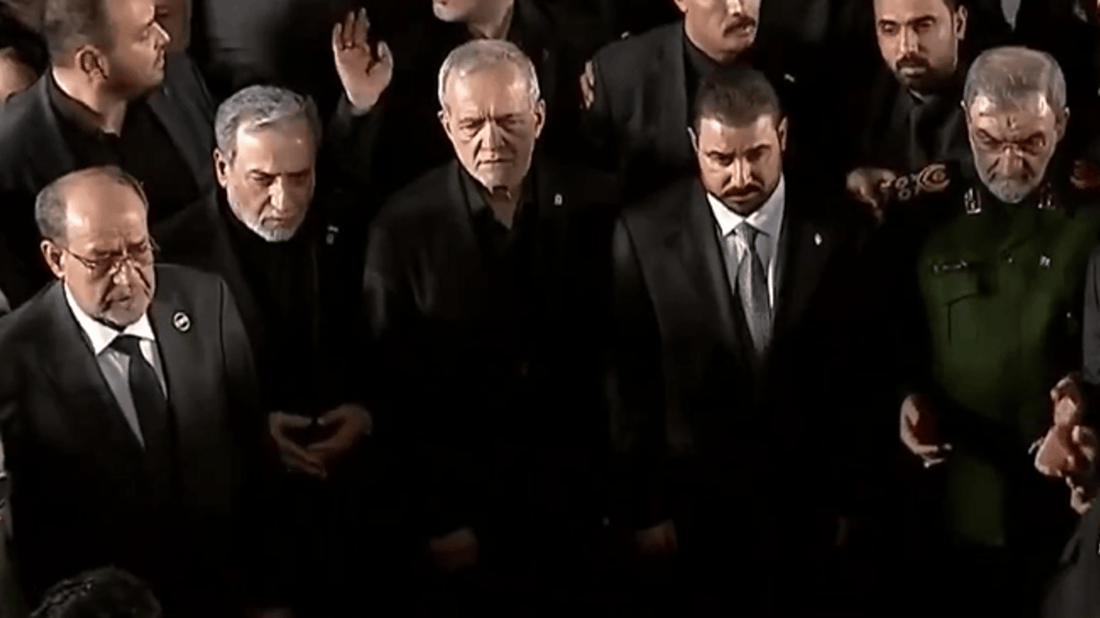
Khamenei’s body arrived in Najaf on Tuesday night, accompanied by Iranian President Masoud Pezeshkian. Iraqi officials and political leaders received the delegation at Najaf International Airport, among them Prime Minister Ali al-Zaidi, senior government officials and party leaders, before funeral ceremonies began in the city.
Iraq has declared Wednesday a public holiday to mark the funeral ceremony. Authorities completed preparations for the procession in the holy cities of Najaf and Karbala on Tuesday, with officials saying there will be no restrictions on who can attend and large numbers of mourners expected from inside and outside the country.
Khamenei was killed on Feb. 28 in a U.S.-Israeli airstrike that targeted senior Iranian leaders in Tehran at the start of the 2026 war. His body is being brought to Iraq as part of a multi-city funeral that has passed through Tehran and Qom before the Najaf and Karbala ceremonies, with burial to follow in Mashhad, his Iranian birthplace.