
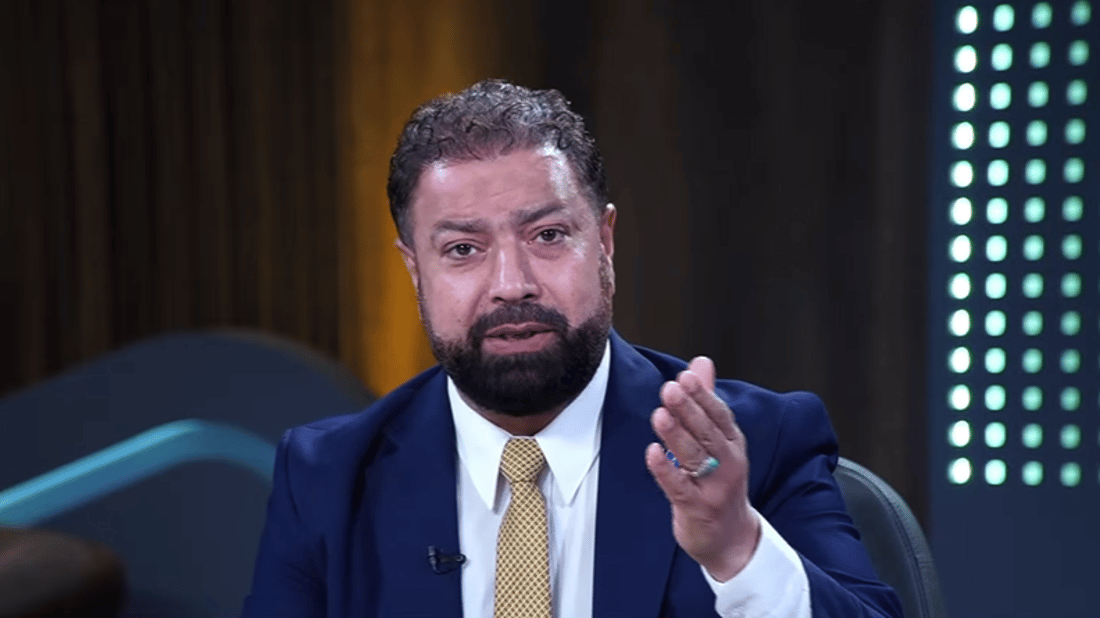
Senior Hikma Movement figure Ali Al-Jourani
Media Monitor
Hikma official warns against political unrest, urges protection of Iraq’s stability
BAGHDAD — Senior Hikma Movement official Ali al-Jourani cautioned against jeopardizing Iraq’s current stability, saying the nation’s present conditions were secured only after Iraqis “shed precious blood to escape the previous era marked by mass graves, Anfal, Halabja, and other events,” he told Al-Rasheed TV.
Al-Jourani described the region as “sitting on the edge of a volcano” but said Iraq still has a path forward. “It is still possible to steer Iraq’s ship forward,” he said, urging political forces to move “from a phase of threatening the political system to one of sustaining it.”
Commenting on the Hikma Movement’s relationship with the Sadrist Movement, he said that votes from Sadr supporters would not shift toward Hikma, despite family ties between the two leaders. “Mr. Al-Hakim and Mr. Al-Sadr are even relatives by blood, with many shared points, but each has a different perspective,” he said.
He defended the Sadrist Movement’s right to boycott the upcoming election but called for restraint. “They must not accuse others of betrayal, attack them, or intimidate them,” he said.
Sadrist leader Muqtada al-Sadr has reiterated that his movement will maintain its boycott of the Nov. 11 parliamentary election and said that any members who choose to participate are acting independently and without authorization.
Excerpts from Al-Jourani’s interview with Al-Rasheed TV:
What is meant is not to squander the current situation, which came after Iraqis shed precious blood to escape the previous era marked by mass graves, Anfal, Halabja, and other events.
Today, an Iraqi can criticize any head of state and go home to sleep without expecting a force to come arrest him, his tribe, or his neighbors.
This refers to Mr. Al-Hakim’s clear view of the current challenges in Iraq and the region. Our region today sits on the edge of a volcano, with many regional conflicts tied to larger international struggles. Yet, it is still possible to steer Iraq’s ship forward. We can also solidify the current foundations and move from a phase of threatening the political system to one of sustaining it.
The votes of the Sadrists will not go to the Hikma Movement, but to another side. Mr. Al-Hakim and Mr. Al-Sadr are even relatives by blood, with many shared points, but each has a different perspective.
The Sadrists have the right to boycott and to advocate for their stance, as long as they do not accuse others of betrayal, attack them, or intimidate them. When we were outside the government of Mr. Adel Abdul Mahdi and the Sadrists were inside it, we did not accuse them of betrayal or attack them.
I say to the Sadrists: Sayyid Al-Sadr may reconsider his boycott stance, and they must preserve a way back to dialogue with other political forces. Tearing down candidates’ posters is an act of intimidation, as is threatening those who choose to participate in the elections.
The Hikma Movement, the Sadrist Movement, and the State of Law Coalition each have electoral weight and relatively stable constituencies, with only minor variations between elections. That is why we turned to the judiciary in the last elections, due to the theft of our votes and the nullification of our seats. We proved our electoral weight in the provincial council elections and restored the Hikma Movement’s standing. The same will happen in these upcoming elections if the current electoral conditions persist.