
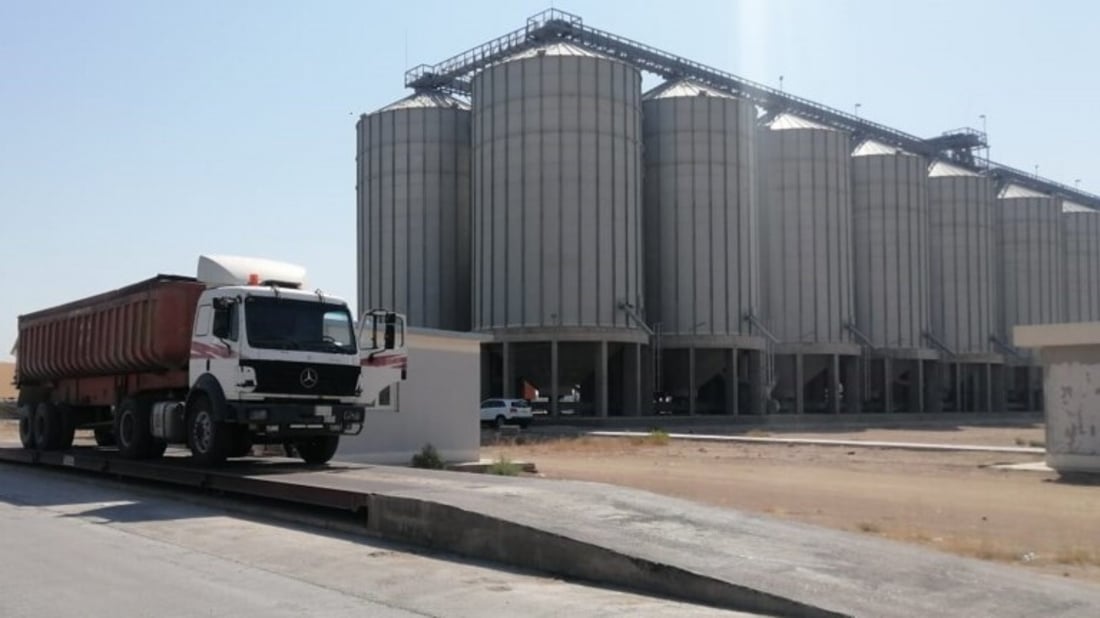
Karbala silo network inflated wheat deliveries up to 20-fold, integrity commission says
KARBALA — The Federal Commission of Integrity said Sunday it had broken up a network at the Karbala grain silo that forged documents, inflated wheat deliveries and took bribes, preventing the loss of more than 13.2 billion dinars (about $8.7 million at the official rate).
Investigators found falsified agricultural marketing documents that let wheat deliveries exceed the limits set by the Agriculture Ministry, some recording more than 20 times the quantity actually delivered, the commission said. The ministry issues fixed lists of how much each farmer can sell at the state-subsidized price of 700,000 dinars (about $460) a ton, and the silo had been accepting wheat beyond those allocations. The network altered quantities in marketing documents issued by the Agriculture Directorate and registered the same deliveries at both the metal and concrete silos. The forged documents covered 17,782 tons of wheat, and the public money protected came to 13,240,833,000 dinars, the commission said.
A team from the commission’s Karbala office went to the silo after receiving information about widespread manipulation and arrested two employees accused of demanding bribes from farmers to raise their recorded deliveries. The investigating judge ordered the two detained under Article 289 of the Penal Code, which covers forging official documents, and summoned the silo director and 16 other employees, who were released on bail. The investigation is continuing.
On Oct. 6, the commission announced action against 31 suspects in Kirkuk over thousands of tons of wheat marketed through the Mesopotamia Company, much of it registered within hours in the names of three people, one of them dead, without approved agricultural plans; 10 were detained. Two days earlier, it arrested the deputy director of the Ishaqi grain complex in Salah al-Din, who investigators said admitted taking money from farmers to change wheat grades and accept truckloads of low-quality grain. In July, three employees at the Amarah silo in Maysan were arrested for allegedly charging farmers unauthorized fees for unloading, equipment and labor the government already covers.
Iraq buys local wheat at subsidized prices to support farmers and food security. For the 2026 season, it set the price at 700,000 dinars a ton for wheat grown within approved agricultural plans and 500,000 dinars (about $330) outside them, and the system has been dogged by disputes over limits, price cuts and late payments. Karbala delivered about 365,000 tons in the 2025-26 season and supplies grain to other governorates for flour distribution.