
Steep discounts
Iraq back above 2 million barrels a day using tanker transfers outside Hormuz
BAGHDAD — Iraq exported about 2 million barrels a day in August, its highest since shipping through the Strait of Hormuz was disrupted in March, using deep discounts, returning Asian buyers and a shuttle system that moves crude onto larger tankers outside the strait.
Exports had fallen close to zero at points after the conflict began, said Ali Nizar, director general of the State Organization for Marketing of Oil. Iraq shipped 18.6 million barrels in March against more than 99 million in February, and fell below 10 million in April. The August figure is nearly four times the 526,000 barrels a day averaged in May and June, but still around 60% of the 3.3 to 3.5 million exported before the disruption.
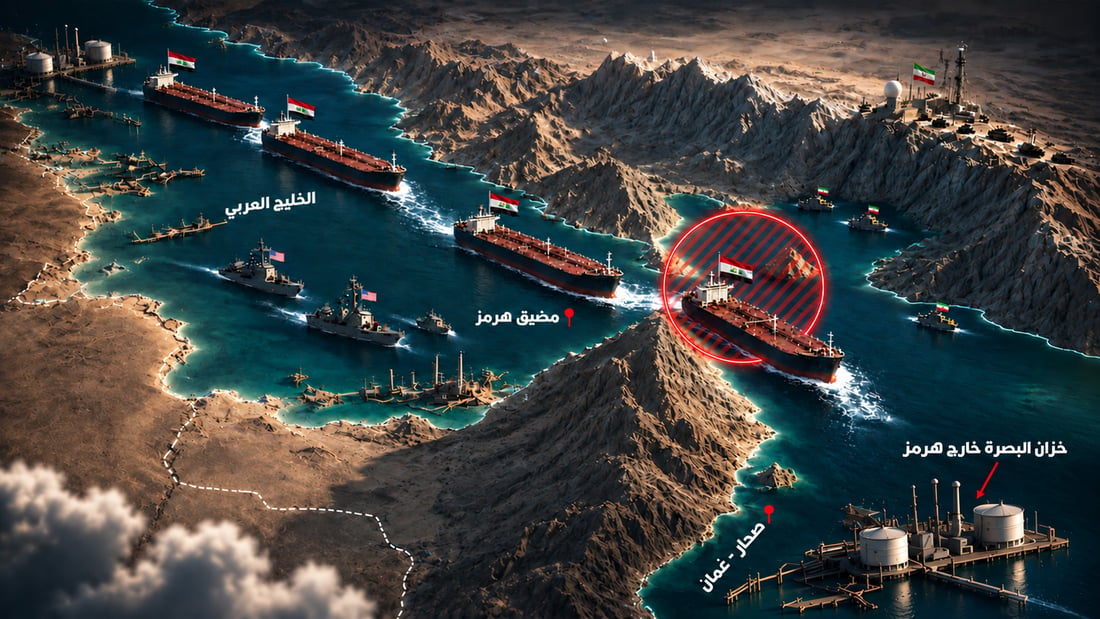
Three oil experts told 964media this is not a return to normal conditions but an assembled system. Vessels carry crude from Basra through Hormuz and transfer cargoes to larger tankers or floating storage near Sohar in Oman, then return to Basra for another load while the crude continues to Asia aboard other ships — giving Iraqi oil a transfer point outside the strait and keeping some large tankers out of the Gulf. Nizar said Iraq is using three routes that remain exposed to security threats, secured very large crude carriers able to move quickly between loading and transfer points, and that insurance arrangements helped persuade shipping companies to take part.
The discounts have been severe. SOMO offered reductions of $25 to $29.80 a barrel on August-loading Basrah crude, between a third and two fifths off the price Iraq realised in May and June. Moving more crude beyond the strait has improved Baghdad’s position because buyers no longer carry the same risk, said oil and economic expert Sadiq al-Rikabi, allowing Iraq to cut discounts and widen the pool of buyers. He said sanctions and the conflict have also changed how deals are assessed, with tanker ownership, movement history and sanctions compliance now weighing alongside price and quality.
A former Oil Ministry official, speaking anonymously, said the arrangements remain vulnerable to renewed escalation and could be disrupted if attacks on shipping or facilities intensify. He said a period of calm had helped tanker movements recover but that renewed attacks around the strait showed the system was still exposed. He also said Baghdad could have designated a group of about 10 tankers and communicated their identities, registration numbers and specifications in advance as part of arrangements understood by Iran, calling Iraq’s earlier response unclear and delayed.
Oil Minister Bassem al-Abadi said in July that monthly oil revenue had fallen to about $1.5 billion from between $7 billion and $8 billion before the disruption. Oil provides more than 90% of federal revenue. Parliament Speaker Haibat al-Halbousi asked visiting Iranian Parliament Speaker Mohammad Bagher Ghalibaf in August to give Iraqi exports special consideration in Hormuz.
Iraq has also tried to reduce its dependence on the strait. It signed a one-year agreement with Turkey on Aug. 1 covering exports through Ceyhan with a minimum target of 750,000 barrels a day, and a memorandum with Syria on a pipeline to Baniyas. The former official questioned why Ceyhan shipments had not risen further given the available infrastructure and repeated talks with Ankara. The experts said the return above 2 million barrels a day rests on the transfer system, commercial incentives and security around Hormuz rather than any restoration of normal conditions.