
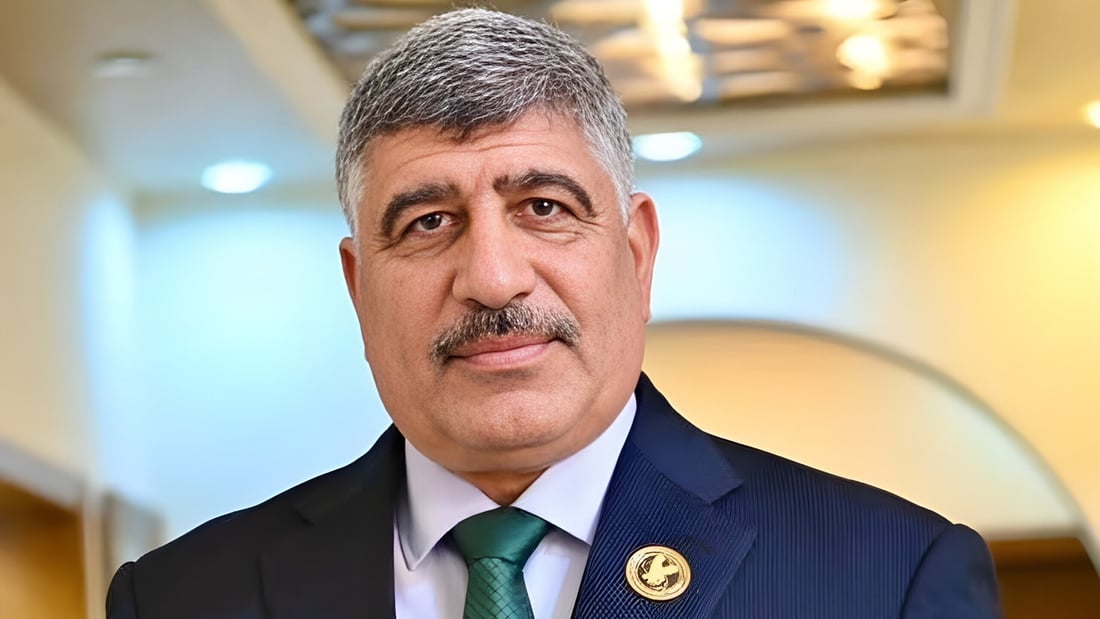
Sabah al-Numan, spokesperson for the commander-in-chief of the armed forces
Military spokesperson blames ‘suspicious capital’ for spreading alarm in Iraq
BAGHDAD — The spokesperson for the commander-in-chief of the armed forces accused television channels and online platforms backed by what he called suspicious capital of spreading fear among Iraqis for the sake of views and engagement.
“The real danger creeps in when we become internally convinced that we are already defeated, and when we leave the field to those who seek to market panic and see citizens’ anxiety as fuel for their views and interactions,” Sabah al-Numan said in a statement. He named no outlet and gave no detail of the funding he referred to.
Iraq faces challenges, he said, but “there is no force in the world, nor regional circumstances, capable of breaking a state whose people, in all their components and groups, rally around its institutions.” Effort should go into prevention rather than forecasting crises: “Strength does not lie in the art of predicting disasters; strength is building the wall that prevents them from happening.” Security, he said, extends beyond forces in the field to public morale, trust between citizens and the state, and awareness against what he called the propaganda of despair.
The statement comes days after a committee drawn from the interior ministry, the intelligence and national security services and the Office of the Commander-in-Chief was formed to monitor online content for hate speech and sectarian material.
Prime Minister Ali al-Zaidi said in Washington in July that there would be no justification for armed factions after Sept. 30, when the coalition leaves. His security adviser Qasim al-Araji said in late August that the date marks the start of talks rather than a deadline. Nouri al-Maliki said this week that a committee had been formed with the factions to discuss regulating and containing their weapons, with the word disarmament set aside.