
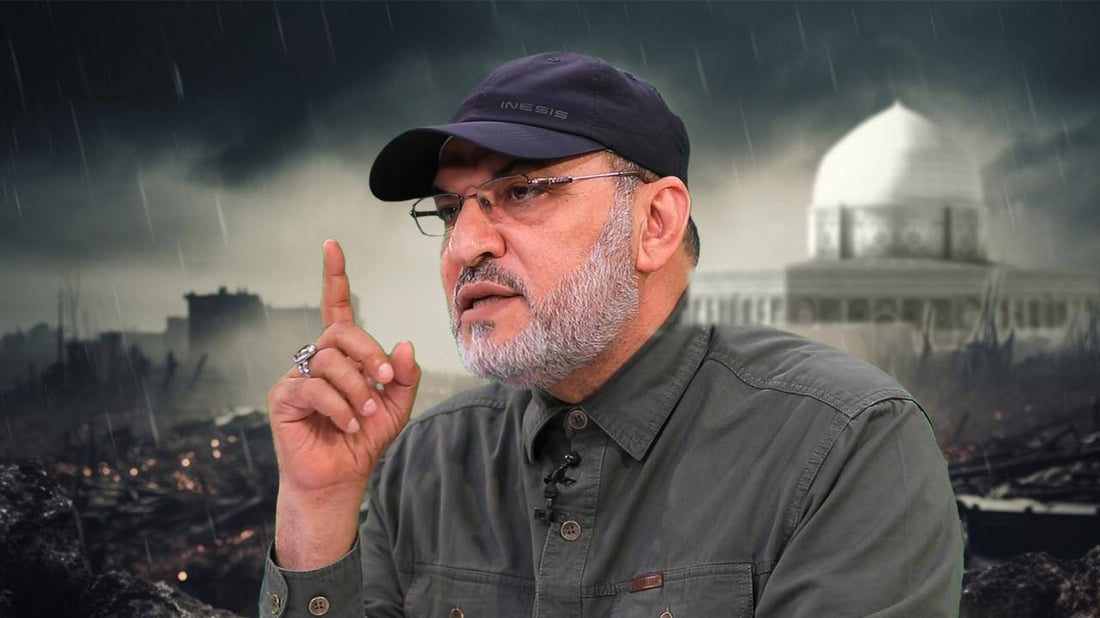
Kataib Sayyid al-Shuhada Secretary-General Abu Alaa al-Wala’i.
Militia demands widen
Faction sets 10 conditions for weapons handover, including four on Kurdistan
BAGHDAD — Kataib Sayyid al-Shuhada set out 10 conditions for engaging with the government’s weapons policy, four of them concerning the Kurdistan Region, including federal control of its borders and crossings and the removal of the PKK and Iranian Kurdish opposition groups from northern Iraq.
Weapons were a means rather than an end and had emerged in response to security threats, the group said. If those threats disappear, “the need for it ends, and it may no longer be necessary.”
Its first condition is a complete American withdrawal by land, air and sea, with no continuing U.S. military presence or intervention. It also wants legislation governing the Popular Mobilization Forces to protect the rights, salaries and service status of fighters, the wounded and the families of the dead; stronger Iraqi air defences able to respond to attacks from any source; an end to what it called U.S. influence over Iraq’s financial, economic and political decision-making; and an end to what it described as U.S. Embassy interference in domestic affairs.
The conditions on the Kurdistan Region are the most substantial addition. The group wants federal security forces deployed along all of Iraq’s international borders, including sections inside the Region, and the Iraqi army to take over the Region’s border crossings with their administration transferred to the federal government. It wants the PKK removed from Iraqi territory, arguing its presence gives Turkey grounds for cross-border operations, and Turkish forces withdrawn from northern Iraq. It also wants Iranian Kurdish opposition groups removed from bases in the north so Iraqi territory cannot be used against Iran.
The list expands on the three conditions Kataib Hezbollah set on Aug. 18 — American withdrawal, Turkish forces out, and the dissolution of the Peshmerga. President Nizar Amedi rejected including the Peshmerga, saying they are a constitutionally recognised institution and fall outside the campaign.
Kataib Sayyid al-Shuhada, Kataib Hezbollah and Harakat al-Nujaba have resisted handing over weapons; Saraya al-Salam, Asaib Ahl al-Haq and the Imam Ali Battalions have moved toward compliance. Some factions resisting the process also operate as official PMF brigades while keeping their own political identities and command networks. Security Media Cell chief Saad Maan has said the policy targets structures outside state institutions rather than the PMF itself.
Prime Minister Ali al-Zaidi tied the policy to Sept. 30, when the U.S.-led coalition leaves, saying in July there would be no justification for factions afterward, and the State Administration Coalition said this month that armed activity after that date could fall under the Anti-Terrorism Law. His security adviser Qasim al-Araji has since said the date applies to the withdrawal and marks the start of talks, and Zaidi has ruled out confrontation.