
Daily currency exchange rates
Media Monitor
Expert: Iraq faces worst financial crisis since 2003 as oil revenues collapse
BAGHDAD — Iraq is facing its worst financial and economic crisis since 2003, with oil revenues this month not exceeding $1 billion while the country needs more than $6 billion monthly to cover salaries and pensions, financial and banking expert Mahmoud Dagher said Tuesday.
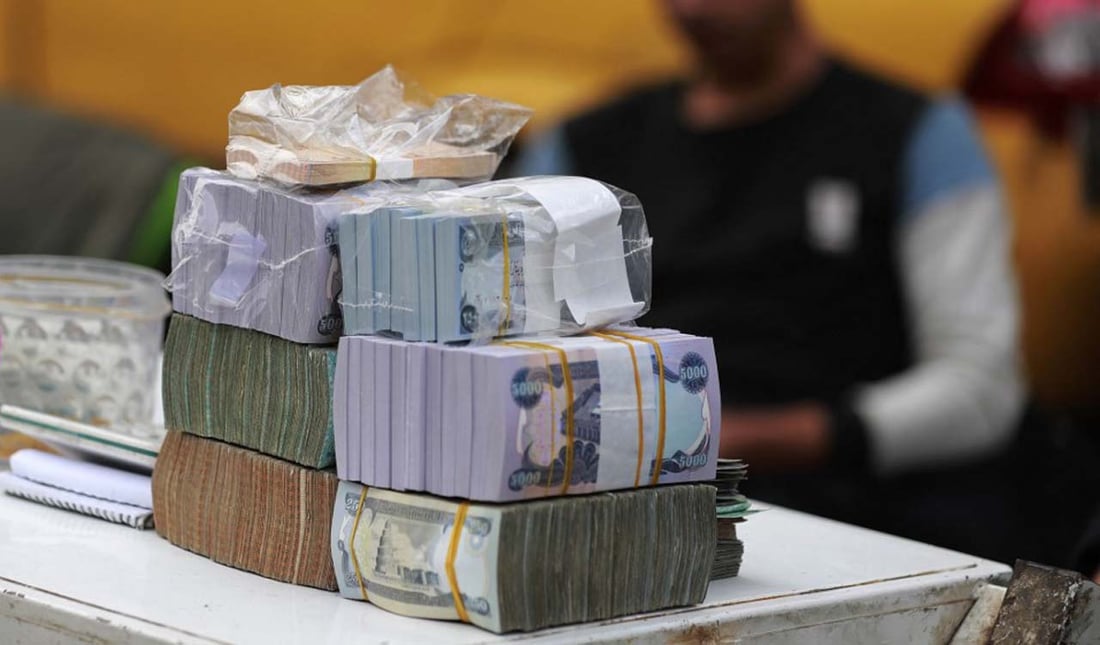
Speaking on UTV, Dagher said the only available solution was resorting to “discounted remittances” — effectively printing new money through the Central Bank and lending it to the Finance Ministry. He said the measure would raise Iraq’s domestic debt from 100 trillion dinars ($65.3 billion) to between 130 and 140 trillion dinars ($85 to $91.5 billion), placing direct pressure on foreign currency reserves and pushing the dollar exchange rate upward in local markets.
Dagher rejected reports that the state was directly withdrawing from foreign reserves, saying the current mechanism involved issuing new money rather than drawing down existing holdings. But he warned the danger to reserves would come indirectly: when citizens receive salaries in newly printed dinars and spend them in markets, traders return to the Central Bank seeking dollars in exchange, draining reserves without a direct withdrawal. He said a similar mechanism during previous crises had contributed to a decline in reserves from $60 billion to $35 billion.
He said the measure was “a choice of extreme necessity” with no realistic substitute currently available, and predicted the dollar exchange rate would continue rising, though not rapidly, as long as the Central Bank maintained sufficient reserves. “The balance could collapse if the war and its consequences continued for another year at the current pace,” he warned.
Iraq’s Oil Ministry announced Monday that April exports reached 9.88 million barrels, generating just under $1 billion — against roughly 100 million barrels and $7 billion in monthly revenues before the U.S.-Iran conflict and the closure of the Strait of Hormuz. Iraq depends on oil for around 90% of government revenue, and most exports pass through the Gulf, leaving the country highly exposed to disruptions in the strait. Alternative routes through Turkey, Syria and Jordan remain limited.
Dagher said the crisis had been on the agenda since the first day Prime Minister Ali al-Zaidi was tasked with forming the government, with Zaidi holding an urgent meeting with the finance minister and Central Bank governor to discuss solutions.