
Vitality
Iraq’s marshlands revived as water levels reach five-year high
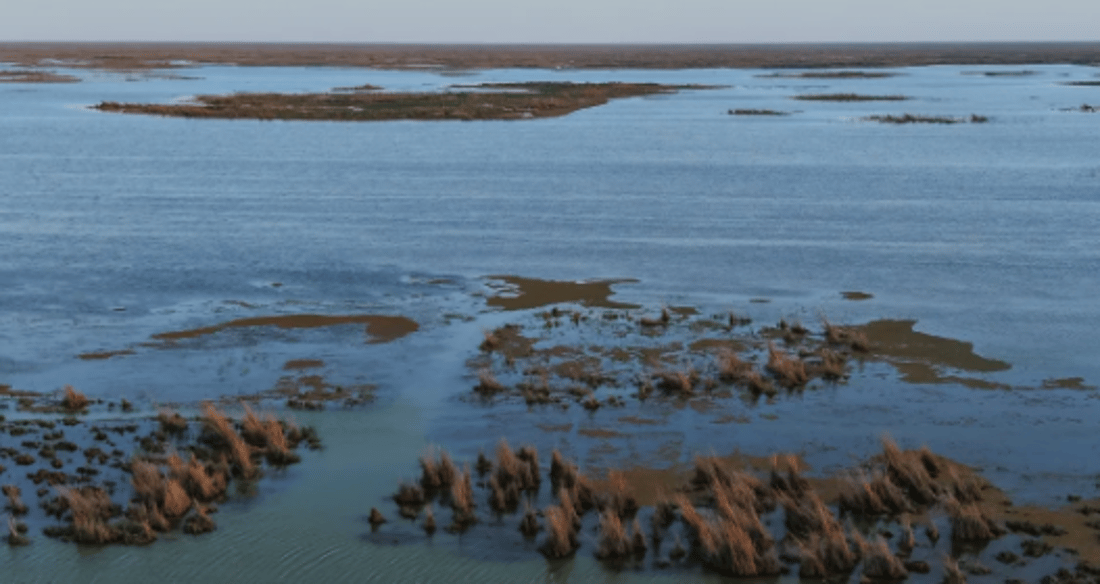
BAGHDAD — Iraq’s southern and central marshlands are seeing their best water conditions in five years, with the Abu Zirig Marsh in Dhi Qar and the Dalmaj Marsh in Diwaniyah returning to life after years of drought, the Ministries of Water Resources and Environment announced Wednesday.
Adnan Abdullah, head of the Dhi Qar Marshes Department, told state newspaper Al-Sabah that water flows to Abu Zirig had risen from zero to a daily average of 18 cubic meters per second, reaching the farthest points inside the wetlands. He said the Euphrates River level had risen to 85 centimeters above sea level from a previous low of 30 centimeters — an increase of about 55 centimeters compared with levels recorded over the past five years. Most families who had abandoned the area had returned, tourism had expanded and fishermen had resumed activities, while water buffalo breeding had recovered in villages across the wetlands. He added that coming snowmelt would further increase water abundance during summer.
In Diwaniyah, Environment Director Mukhlis Hakim said water had flooded large parts of the Dalmaj Marsh “for the first time in many years,” reaching the embankment area that had previously suffered from complete drought. He described Dalmaj as the most important marsh in central Iraq and stressed the need to maintain continuous water flows for their economic, environmental and social benefits.
The recovery follows recent rainfall and increased inflows from neighboring countries, as well as the release earlier this month of 7.2 million common carp fingerlings into Maysan marshes as part of efforts to strengthen fish stocks. Fish, water buffalo and migratory birds have returned to parts of the Mesopotamian Marshes, and displaced families have gradually resumed life in marshland communities.