
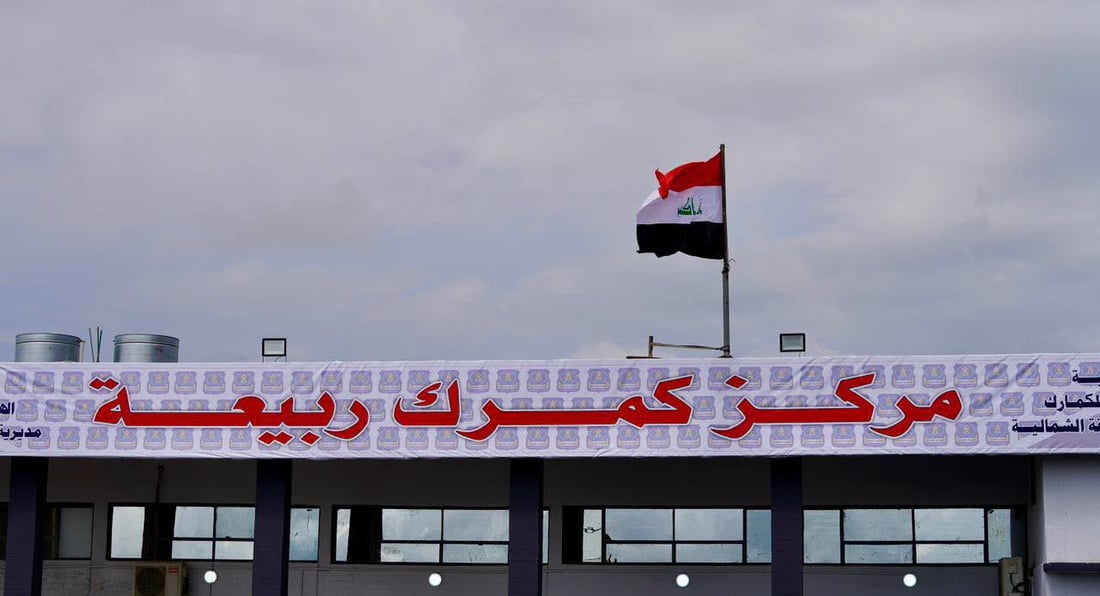
Rabia crossing reopening could lift trade volumes by 20%, ports chief says
BAGHDAD — The reopening of the Rabia border crossing with Syria could increase trade volumes by up to 20% in coming months, the head of Iraq’s Border Ports Commission said Wednesday.
“The opening of the Rabia crossing represents an important strategic step within the state’s direction to diversify and strengthen its border outlets,” commission chief Omar al-Waeli said, adding it would reduce pressure on other crossings and improve the flow of goods.
The crossing, in Nineveh governorate, reopened Monday after a 13-year closure linked to the war against Islamic State. Iraqi authorities have completed preparations and automated operations, with trade and passenger movement already resumed.
Waeli said the route would lower waiting times and logistical costs for traders and provide alternative transport corridors during peak periods or congestion at other crossings. Initial estimates point to trade growth of between 10% and 20% in the first months, with further expansion expected as infrastructure and commercial activity develop.
The crossing links Iraq to a corridor toward northern Syria and can shorten transport distances between Turkey and Mosul compared to alternative routes, local officials have said.
Iraq now has three active land crossings with Syria. Al-Qaim in Anbar governorate remains the busiest for passengers and goods; al-Waleed, also in Anbar, recently reopened and is used primarily for energy transport. The style guide notes both the al-Waleed and Rabia crossings as part of a broader effort to expand western border routes and diversify trade.