
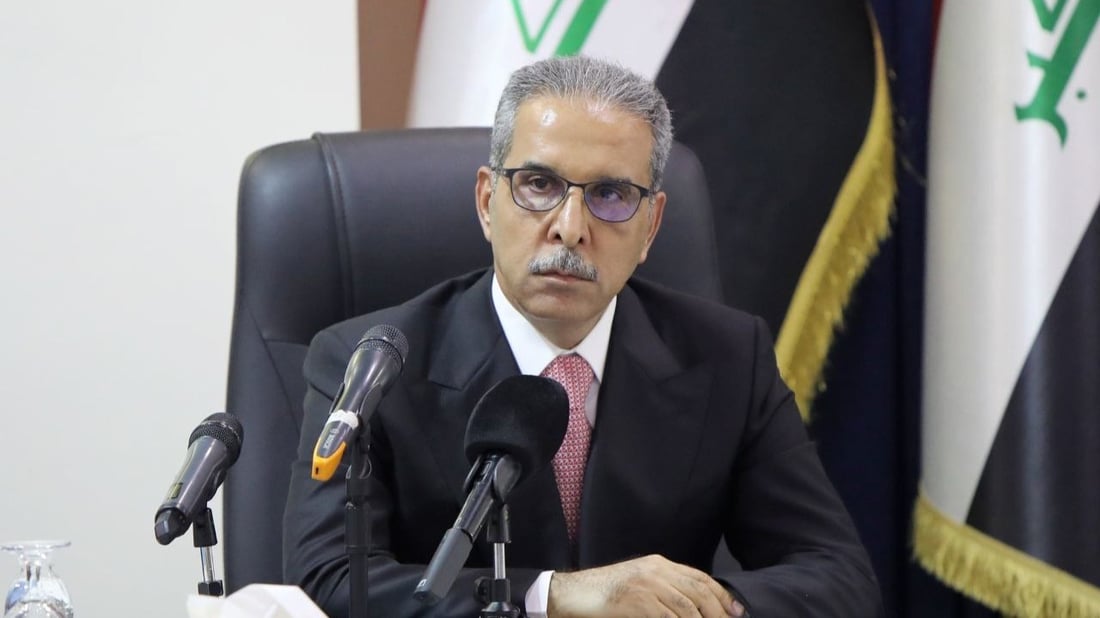
President of the Supreme Judicial Council Faiq Zidan
'Serious crime'
Iraq’s top judge warns attacks on diplomatic missions can carry death penalty
BAGHDAD — Supreme Judicial Council President Faiq Zaidan said Tuesday that attacks on diplomatic missions constitute a “serious crime” affecting Iraq’s external security, warning that perpetrators face penalties up to the death sentence under Iraqi law.
In an article titled “The Crime of Attacking Diplomatic Missions,” Zaidan said such attacks — including sabotage, physical assault or preventing missions from carrying out their duties — carry consequences beyond material or human damage, potentially triggering diplomatic crises or the severing of ties between states.
He said international law obligates host countries to protect diplomatic missions, and that failure to do so may expose a state to international accountability, including political or economic sanctions or isolation. Under Iraq’s Anti-Terrorism Law No. 13 of 2005, he said, attacks on embassies and diplomatic entities are classified as terrorist acts with penalties “that may reach the death sentence.”
The remarks come as diplomatic and military sites across Iraq have faced intensifying strikes since the regional war between the United States, Israel and Iran began Feb. 28. The U.S. Embassy compound in Baghdad’s Green Zone was struck early Saturday, with thick smoke seen rising from the compound. The UAE Consulate General in Erbil was hit the same day — the second attack in a week — wounding two security guards. The Al-Rasheed Hotel, which houses the Saudi embassy and the EU Advisory Mission, was struck by a drone Monday night.
Iraq’s government has repeatedly condemned the attacks and pledged to pursue those responsible. Prime Minister Sudani ordered the replacement of security officials following Monday’s strikes and directed forces to bring perpetrators to justice. The strikes have continued.